Keeping a workplace safe and compliant isn’t just about avoiding fines or passing inspections. It’s about creating an environment where employees can do their jobs without unnecessary risks and where organizations can operate smoothly without constant firefighting. That’s where EHS compliance software comes in.
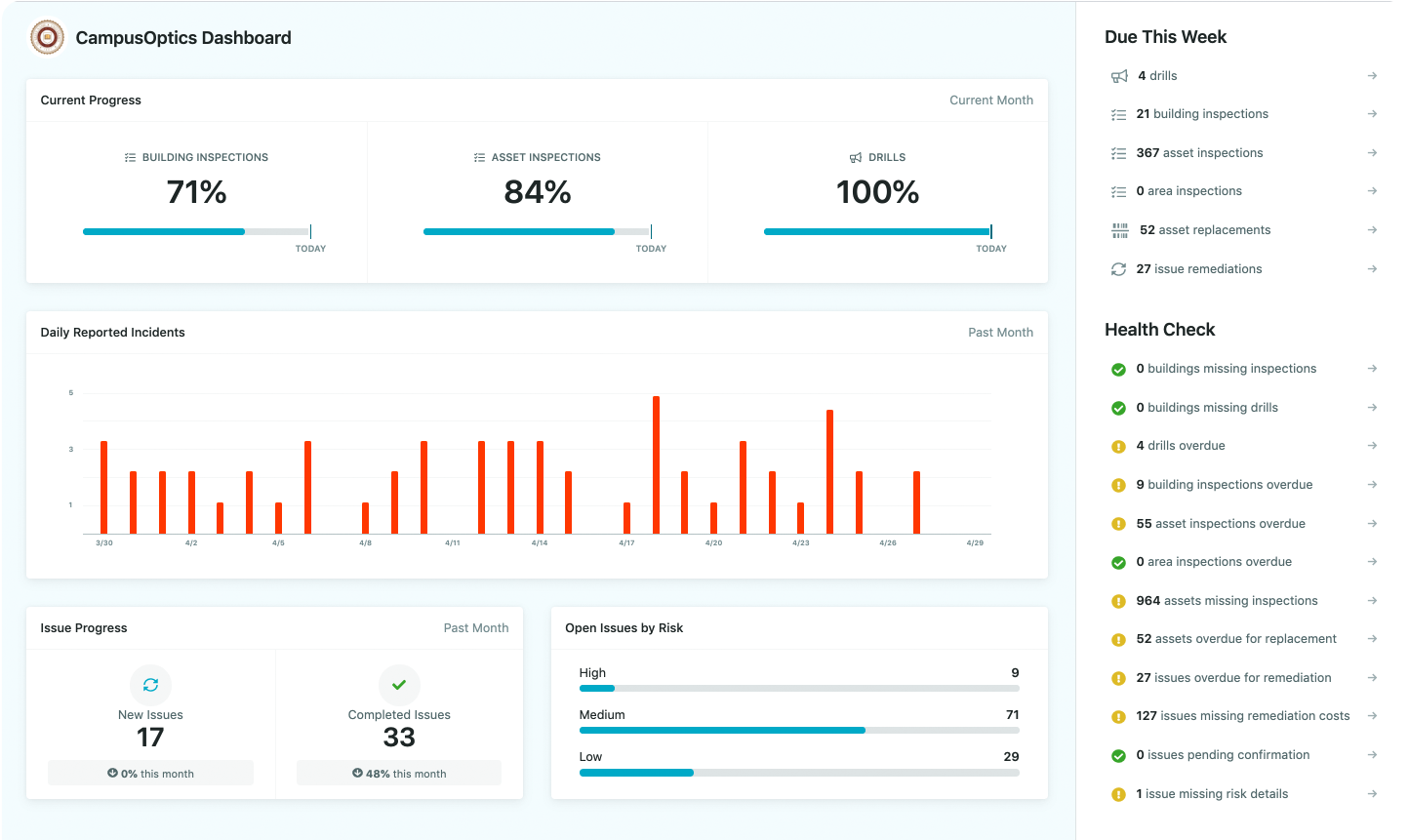
At its core, EHS compliance software centralizes all the environmental, health, and safety tasks that organizations need to manage. It’s like giving your safety program a single control panel, making it easier to see potential hazards, track incidents, manage documentation, and stay on top of ever-changing regulations. For organizations from higher education to industrial sites, this software turns a complex web of requirements into something manageable, actionable, and even proactive.
Understanding EHS Compliance Software
EHS compliance software is a digital platform designed to help organizations manage and streamline their environmental, health, and safety responsibilities. Think of it as the hub for everything related to workplace safety, regulatory adherence, and risk management.
Rather than relying on spreadsheets, paper forms, and disconnected systems, this software brings everything together. From chemical inventories and hazardous waste tracking to incident reporting and compliance audits, it ensures that safety teams have the right information at the right time.
Unlike general software tools, EHS compliance platforms are specifically built around regulatory requirements and risk management workflows. This means you’re not just collecting data – you’re making that data actionable, reducing risk, and staying ahead of compliance issues before they become costly problems.

Why Organizations Need EHS Compliance Software
The workplace is full of risks that range from minor slips to serious environmental hazards. Without the right tools, it’s easy for these risks to be overlooked, especially in complex operations like universities, laboratories, or manufacturing sites.
At CampusOptics, we take EHS compliance to the next level for higher education institutions. We’ve designed our platform specifically for colleges and universities to centralize environmental, health, and safety management across multiple buildings, labs, and departments. Our tools let teams track chemical inventories, manage inspections, log incidents, and maintain regulatory compliance all from one mobile-friendly platform. By bringing every safety function together, we reduce administrative burden and empower campus teams to respond faster, coordinate more effectively, and build a stronger culture of safety.
Here’s why EHS compliance software matters:
- Centralized Information – All safety data, from chemical inventories to inspection reports, is stored in one place. No more hunting through spreadsheets or filing cabinets.
- Real-Time Visibility – Managers can see safety and compliance status instantly, making it easier to address issues as they arise.
- Proactive Risk Management – The software helps anticipate hazards before they escalate, instead of reacting after an incident occurs.
- Regulatory Confidence – Staying compliant with federal, state, and local regulations is easier when your software tracks requirements, deadlines, and updates automatically.
- Enhanced Collaboration – Safety teams, administrators, and facility managers can work together seamlessly, ensuring everyone is on the same page.
In short, EHS compliance software doesn’t just make work easier – it makes workplaces safer and operations more resilient.
Core Features of EHS Compliance Software
EHS compliance software isn’t just a digital checklist. It’s a toolkit designed to make safety management smarter, faster, and more reliable. By bringing critical safety functions into one platform, organizations can move from reactive firefighting to proactive risk prevention. Let’s break down the key features and why they matter in everyday operations.
Incident Management – Turning Reports Into Action
One of the most vital parts of any EHS program is incident management. Software allows you to log incidents as soon as they happen, rather than relying on delayed paper reports that might get lost or forgotten.
With the right platform, incident management includes:
- Capturing detailed information about what happened, when, and where
- Assigning responsibilities so corrective actions aren’t ignored
- Documenting investigations and follow-up steps for accountability
- Tracking recurring issues to identify trends and prevent future incidents
Think of it as your organization’s early warning system. Instead of only reacting after an accident, you can spot patterns and address risks before they escalate.
Chemical Inventory Management – Keeping Hazardous Materials in Check
Managing chemicals isn’t just about labeling bottles or keeping them in a safe cupboard. Improper handling can lead to serious safety, environmental, and regulatory issues. EHS software makes chemical management easier and safer by providing:
- A complete inventory of all chemicals in use across locations
- Digital access to Safety Data Sheets (SDS) for immediate reference
- Alerts for chemical expiration or required inspections
- Tracking storage locations and handling instructions to reduce accidents
This isn’t just compliance – it’s about giving teams confidence that every hazardous material is accounted for and properly managed.
Inspection and Audit Tracking – Making Safety Routine
Inspections and audits are critical to identifying hazards before they cause harm. EHS compliance software helps turn these tasks into a routine, trackable, and transparent process. Features often include:
- Scheduling inspections for labs, buildings, equipment, or assets
- Assigning inspection tasks to specific team members
- Logging results digitally with notes, photos, or videos
- Automatically generating follow-up tasks for any identified issues
By making inspections easy and trackable, software keeps your safety program consistent, reduces oversights, and helps build a culture of accountability.
Compliance Tracking – Never Miss a Deadline
Regulatory compliance can feel like juggling flaming torches. EHS compliance software centralizes all requirements, deadlines, and certifications into one dashboard, making it easier to stay on track. Benefits include:
- Monitoring deadlines for permits, licenses, and certifications
- Tracking regulatory updates to ensure ongoing compliance
- Providing reminders and automated notifications for key tasks
- Offering visibility into compliance status across teams and locations
The result? Less stress for safety managers and fewer surprises during audits or inspections.
Document Management – Safety Knowledge at Your Fingertips
Paper manuals and scattered files slow down response times and create gaps in safety knowledge. Digital document management solves this by storing all critical safety documentation in one secure location:
- Safety protocols and standard operating procedures (SOPs)
- Emergency plans and evacuation procedures
- Training records and completion certificates
- Incident reports and investigation summaries
With easy access, teams can reference what they need immediately, whether in the office, lab, or out in the field.
Risk Assessment Tools – Prioritize What Really Matters
Not all hazards are created equal. Risk assessment tools built into EHS software help organizations evaluate hazards based on likelihood and severity, guiding teams to focus where it counts most. Key capabilities include:
- Identifying potential hazards across processes, spaces, and operations
- Scoring risks to prioritize mitigation efforts
- Visualizing risk levels for leadership and safety teams
- Updating assessments as conditions or regulations change
By making risk data actionable, organizations can allocate resources effectively and prevent problems before they happen.
Mobile Accessibility – Safety on the Go
Safety teams aren’t always at their desks, so mobile access is a game-changer. Modern EHS platforms allow:
- Conducting inspections and logging incidents in real time
- Accessing chemical inventories and safety documents in the field
- Taking photos, videos, or voice notes and attaching them to records
- Updating dashboards instantly for leadership visibility
This mobility keeps safety programs dynamic and ensures that nothing slips through the cracks.
Reporting and Analytics – Turning Data Into Decisions
Software doesn’t just collect data – it turns it into insights. Reporting and analytics tools help organizations:
- Generate internal or regulatory reports quickly and accurately
- Visualize trends in incidents, inspections, and risk levels
- Identify recurring hazards or weak points in safety protocols
- Measure progress and justify investments in safety initiatives
With clear data at hand, decision-makers can act strategically, not just reactively.
How EHS Compliance Software Improves Safety Culture
Safety isn’t just about ticking boxes or following rules – it’s about creating an environment where people feel responsible, informed, and empowered. At CampusOptics, we believe that technology can shape this culture by making safety a visible and integrated part of everyday operations, rather than a background task that only surfaces during audits.
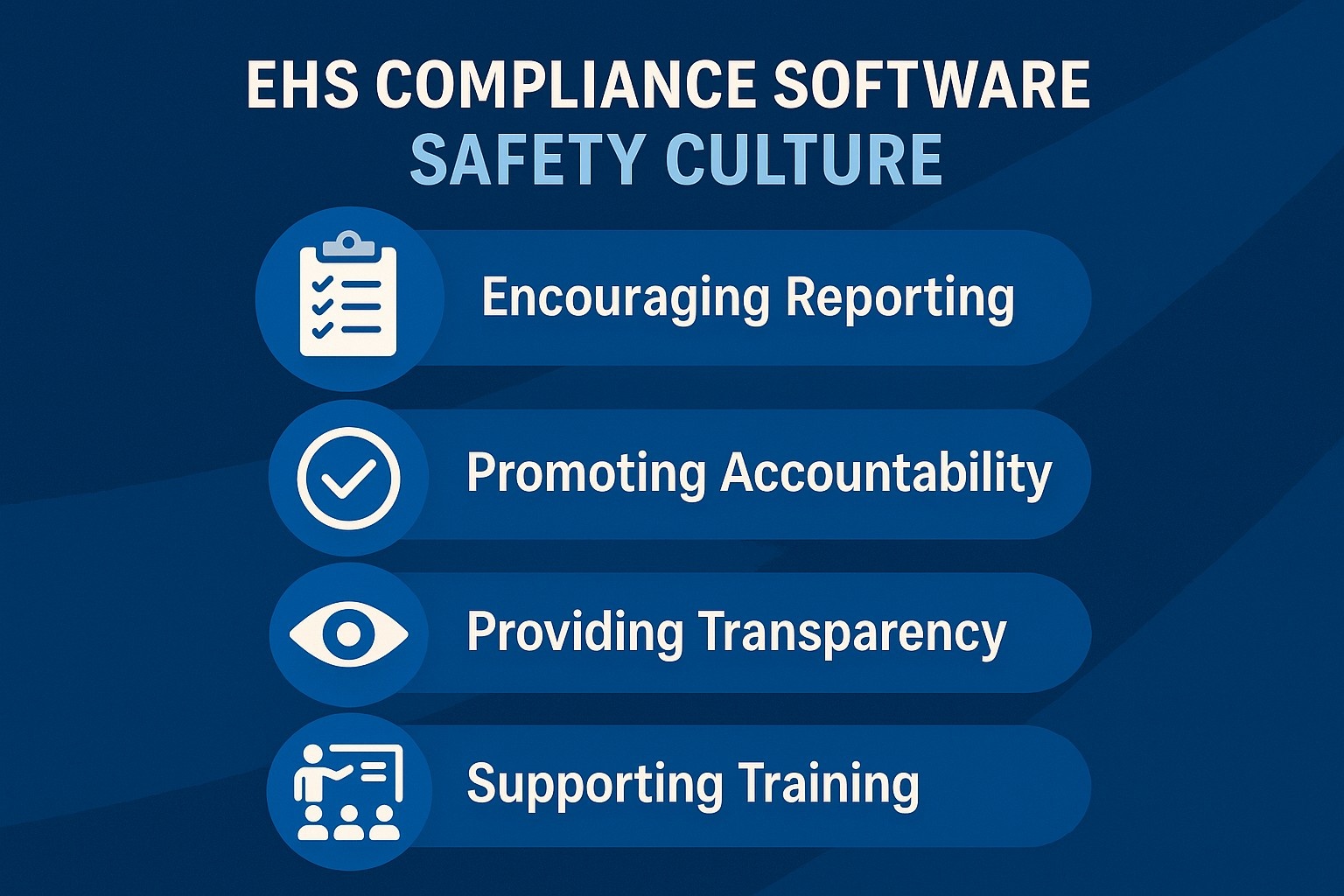
Encouraging Reporting – Making Every Voice Count
One of the biggest challenges in safety culture is getting people to speak up. Many hazards or near-misses go unreported simply because it’s cumbersome or time-consuming. EHS compliance software changes that:
- Employees can log incidents instantly from a mobile device, whether they’re in a lab, a classroom, or out in the field
- Photos, videos, and voice notes can be attached, making reports clearer and faster to understand
- Automated workflows ensure that reported issues reach the right people immediately
When reporting is easy and responsive, employees stop feeling like they’re “tattling” and start seeing themselves as part of a proactive safety network.
Promoting Accountability – Ownership Matters
Accountability is more than assigning tasks – it’s about making responsibilities clear and trackable. With the right platform, we can:
- Assign inspections, audits, or corrective actions to specific team members
- Set deadlines and send reminders so tasks don’t get forgotten
- Track completion rates and follow up automatically if issues are unresolved
This visibility helps everyone understand that safety isn’t just one person’s job. When employees see that responsibilities are clear and monitored, they take ownership rather than assuming “someone else will handle it.”
Providing Transparency – Building Trust Through Action
Transparency is critical to trust. When teams can see that reported hazards are being addressed, it reinforces confidence in the system and leadership. EHS compliance software supports transparency by:
- Showing real-time updates on incident resolutions and corrective actions
- Giving managers dashboards to monitor safety trends and compliance status
- Allowing employees to view the outcomes of their reports without extra effort
When people see that reporting leads to action, safety becomes part of everyday behavior rather than just an administrative requirement.
Supporting Training – Continuous Learning in Action
A strong safety culture is built on knowledge and preparedness. Compliance software helps make training more than a checkbox exercise:
- Track who has completed mandatory training and who hasn’t
- Send automated reminders for refresher courses or new protocols
- Provide easy access to safety manuals, protocols, and emergency procedures online
By integrating training with everyday operations, employees can learn in context, apply knowledge immediately, and stay aware of evolving risks.
Turning Compliance Into Shared Responsibility
Ultimately, EHS compliance software transforms safety from a fear-driven, rule-based system into a culture of shared responsibility. Everyone understands their role, knows what’s expected, and has the tools to act. This kind of culture doesn’t just prevent accidents – it encourages curiosity, communication, and collaboration.
By embedding safety into daily workflows, organizations stop reacting to problems and start preventing them. And when safety becomes part of the organizational DNA, compliance and operational excellence naturally follow.
The Role of Technology in Regulatory Compliance
Keeping up with regulatory compliance can feel like a full-time job on its own. Rules change constantly, and a missed deadline or overlooked requirement can lead to fines, operational delays, or worse. At CampusOptics, we know that relying on spreadsheets, paper forms, or manual tracking just isn’t sustainable. Technology allows us to stay on top of these requirements in real time, reduce human error, and focus on what really matters – keeping people safe and operations running smoothly.
Automated Alerts – Staying Ahead of Deadlines
One of the biggest benefits of EHS compliance software is automation. Instead of scrambling when a permit expires or a certification lapses, automated alerts keep teams proactive. With our platform, we can:
- Send reminders when inspections, certifications, or permits are approaching their due date
- Trigger notifications for training completions or re-certifications
- Customize alerts for different teams or buildings so no responsibility falls through the cracks
By alerting teams ahead of time, we prevent compliance issues before they become urgent problems, turning last-minute panic into planned action.
Standardized Processes – Consistency Across the Board
Regulatory compliance isn’t just about checking a box – it’s about doing things right, every time. Our software ensures that inspections, incident reports, audits, and corrective actions follow a consistent workflow. This includes:
- Templates for incident investigations and inspection checklists
- Step-by-step workflows that guide users through reporting and follow-up
- Built-in best practices to reduce gaps or overlooked steps
Standardization doesn’t limit flexibility – it builds trust. When everyone knows the process and follows it consistently, managers can focus on analyzing trends and improving safety rather than correcting errors.
Documented Evidence – Proof When It Matters
Documentation is the backbone of regulatory compliance. Without proper records, even small incidents can escalate into costly disputes or fines. With our platform, we ensure every safety activity is logged and traceable:
- Incident reports, inspection results, and corrective actions are automatically stored
- Photos, videos, and notes can be attached to provide detailed context
- Digital trails are easy to access for audits, investigations, or internal reviews
This documented evidence gives teams confidence that they’re protected and prepared, and it provides regulators with clear, verifiable proof of compliance.
Data Integration – Seeing the Whole Picture
One of the biggest challenges in safety management is data scattered across multiple systems. Our software consolidates information from different sources, giving a complete view of risk and compliance. This includes:
- IoT sensors that monitor environmental hazards or equipment conditions
- Mobile inspections and incident logs from field teams
- Historical data on past incidents, audits, or chemical usage
By integrating all these data points, we can identify patterns, anticipate risks, and make data-driven decisions. It’s no longer about reacting to problems – it’s about spotting them before they happen.
From Reactive to Proactive Compliance
With technology on our side, we don’t just keep up with regulations – we stay ahead. By automating alerts, standardizing processes, documenting evidence, and integrating data, we create a compliance system that’s efficient, reliable, and proactive. Safety teams can focus on solving real problems instead of tracking paperwork, and leadership can trust that operations are meeting regulatory expectations without constant oversight.
Benefits Beyond Compliance
EHS compliance software is often introduced to meet regulatory requirements, but its impact goes far beyond simply avoiding fines. At CampusOptics, we see every day how the right platform transforms the way organizations operate, making safety more proactive, data-driven, and integrated into daily workflows. Let’s dive into the key benefits beyond just checking the compliance box.
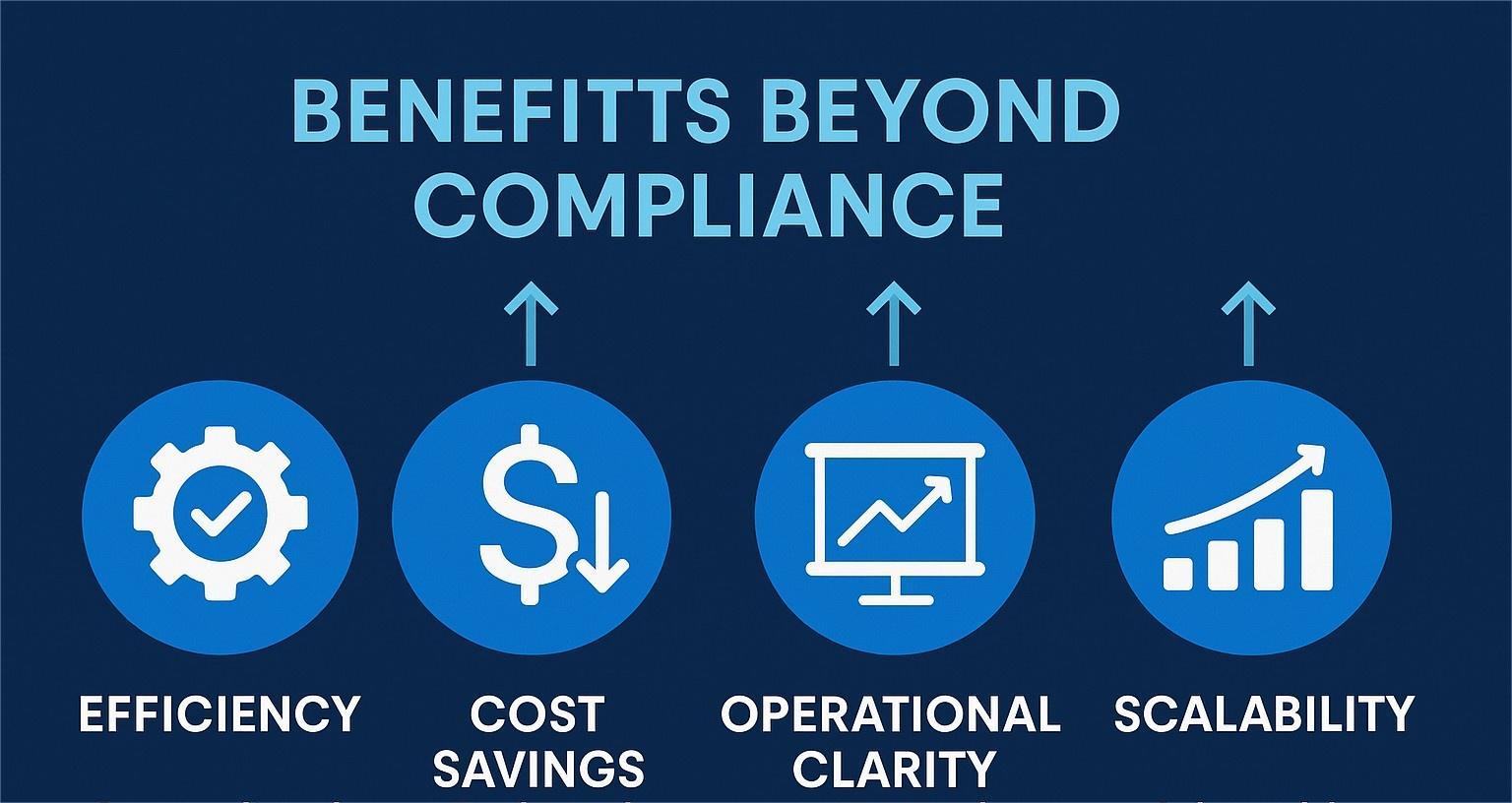
Efficiency – Streamlining Safety Workflows
Manual tracking and paperwork can drain hours from safety teams every week. Our software automates repetitive tasks and centralizes information, so teams spend less time on administrative work and more time on meaningful safety initiatives:
- Automatic logging of incidents, inspections, and corrective actions
- Digital dashboards that consolidate safety data across buildings or departments
- Mobile access that allows field teams to update records in real time
The result is smoother workflows, fewer errors, and more time for staff to focus on proactive safety measures rather than chasing down forms or spreadsheets.
Cost Savings – Preventing Problems Before They Happen
Incidents, fines, and operational downtime can hit an organization’s bottom line hard. By enabling early detection and mitigation of hazards, our platform helps organizations:
- Reduce workplace accidents and associated medical or legal costs
- Avoid fines for non-compliance by staying ahead of regulatory deadlines
- Minimize equipment damage and operational disruptions through timely inspections
Investing in compliance software isn’t just about spending money upfront – it’s about protecting resources and preventing unexpected costs later.
Operational Clarity – Seeing the Whole Picture
Leadership can’t manage what they can’t see. EHS compliance software provides a real-time view of safety performance, risk levels, and compliance status across the organization:
- Dashboards show inspection results, incident trends, and risk hotspots
- Alerts highlight critical issues that need immediate attention
- Historical data supports audits and helps identify recurring problem areas
With this visibility, decision-makers can allocate resources wisely, respond faster, and build a safety culture that’s consistent across every department or facility.
Scalability – Supporting Growth Without Complexity
As organizations grow, so do their safety responsibilities. Our platform scales with you, whether you’re adding new buildings, labs, or operational sites:
- Easily expand user access without creating administrative bottlenecks
- Maintain consistent workflows and safety standards across multiple locations
- Integrate new processes, assets, or teams seamlessly into the existing system
Scalable software ensures that growth doesn’t mean chaos, and safety programs can expand without becoming unmanageable.
Data-Driven Decisions – Prioritizing What Matters Most
One of the most powerful benefits of EHS software is turning data into action. Instead of spreading resources thin or guessing where risks are highest, organizations can:
- Analyze incident trends to identify areas that need more attention
- Use risk scoring to focus inspections and corrective actions where they matter most
- Make informed decisions on training, resource allocation, and preventive measures
By relying on data rather than intuition alone, teams can make smarter, faster, and more strategic safety decisions.
When we implement EHS compliance software at CampusOptics, the impact is clear: organizations don’t just achieve compliance – they operate more efficiently, reduce costs, and make safety a living part of the culture. Often, the software pays for itself in improved outcomes, stronger risk management, and workflows that actually make life easier for everyone on the team.
Conclusion
EHS compliance software isn’t just another checkbox or a tool to keep regulators happy. It’s really about making safety simpler and clearer for everyone involved. When teams, managers, and staff can actually see what’s happening in real time, use automated workflows, and have one place for everything – from chemical inventories to incident reports – it makes a huge difference. Hazards are easier to catch, problems get fixed faster, and following the rules stops feeling like a burden and starts feeling like part of how you do things every day. At the end of the day, it’s not about using technology for the sake of it. It’s about creating workplaces where people feel safe, operations run without constant hiccups, and leaders can make decisions confidently because they actually have the info they need.
FAQs
What exactly is EHS compliance software and who uses it?
EHS compliance software is a platform that helps organizations manage environmental, health, and safety risks while staying compliant with regulations. It’s used by safety teams, facility managers, and leadership across industries like higher education, laboratories, and manufacturing.
How does it make safety management easier?
By centralizing information, automating alerts, and tracking incidents, inspections, and training, the software removes much of the manual work. Teams can spend more time preventing hazards instead of chasing paperwork or trying to piece together scattered data.
Can EHS software help prevent accidents or incidents?
Absolutely. By identifying risks early, prioritizing controls, and making reporting easy, organizations can act before small issues become serious problems. It turns safety from reactive to proactive.
Is compliance the only benefit of using this software?
Not at all. While regulatory adherence is a major driver, the software also improves efficiency, operational clarity, cost management, and team collaboration. In many cases, it pays for itself by streamlining workflows and reducing preventable incidents.
Do smaller organizations benefit too, or is this only for large institutions?
Any organization with safety obligations can benefit. The software scales to fit the size of the operation, from a single lab to a multi-campus university, and helps teams maintain consistent safety practices as they grow.
How does mobile access change the way teams work?
Mobile capabilities let safety teams update inspections, log incidents, or check inventories from anywhere. This flexibility ensures that safety processes keep up with operations, whether staff are in the field, a lab, or a campus building.
What should an organization look for when choosing EHS compliance software?
Look for a platform that centralizes safety data, supports real-time monitoring, simplifies reporting, and is intuitive enough for teams to adopt easily. The right software fits into existing workflows, encourages collaboration, and adapts as operations evolve.