An Environmental, Health, and Safety (EHS) audit is a structured evaluation of an organization’s policies, procedures, and operations to ensure compliance with environmental, health, and safety regulations. It serves as a critical tool for identifying risks, verifying adherence to standards, and promoting a safe workplace. These audits assess compliance with local, national, and international regulations, evaluate the effectiveness of EHS management systems, and pinpoint areas for improvement. By conducting regular EHS audits, organizations can mitigate risks, enhance operational efficiency, and maintain regulatory compliance.
Definition and Scope of EHS Audits
An EHS audit is a systematic review designed to evaluate an organization’s adherence to environmental, health, and safety standards. It involves inspecting facilities, reviewing documentation, observing operations, and interviewing employees to identify compliance gaps and potential hazards. The scope of an EHS audit can vary, depending on the organization’s goals, industry, and regulatory requirements. It may focus on specific areas, such as workplace safety protocols, environmental impact, or hazardous material handling, or encompass the entire organization’s EHS management system.
The audit process assesses whether the organization complies with relevant laws, industry standards, and internal policies. It also evaluates the effectiveness of existing EHS systems, identifying strengths and weaknesses to guide corrective actions. By addressing both compliance and operational risks, EHS audits help organizations maintain a safe working environment and avoid legal or financial penalties.
Types of EHS Audits
EHS audits can be categorized into several types, each serving a distinct purpose:
- Compliance Audits: These focus on verifying adherence to applicable laws, regulations, and internal policies. They ensure that the organization meets legal requirements and avoids penalties.
- Safety Audits: These target workplace safety hazards, such as faulty equipment or unsafe practices, to prevent accidents and injuries.
- Environmental Audits: These assess the organization’s environmental impact, identifying risks related to waste management, emissions, or resource use.
- Supply Chain Audits: These evaluate the EHS practices of suppliers or third-party vendors to ensure compliance across the supply chain.
Each type of audit addresses specific risks and contributes to the overall goal of maintaining a safe and compliant workplace.
Importance of EHS Audits
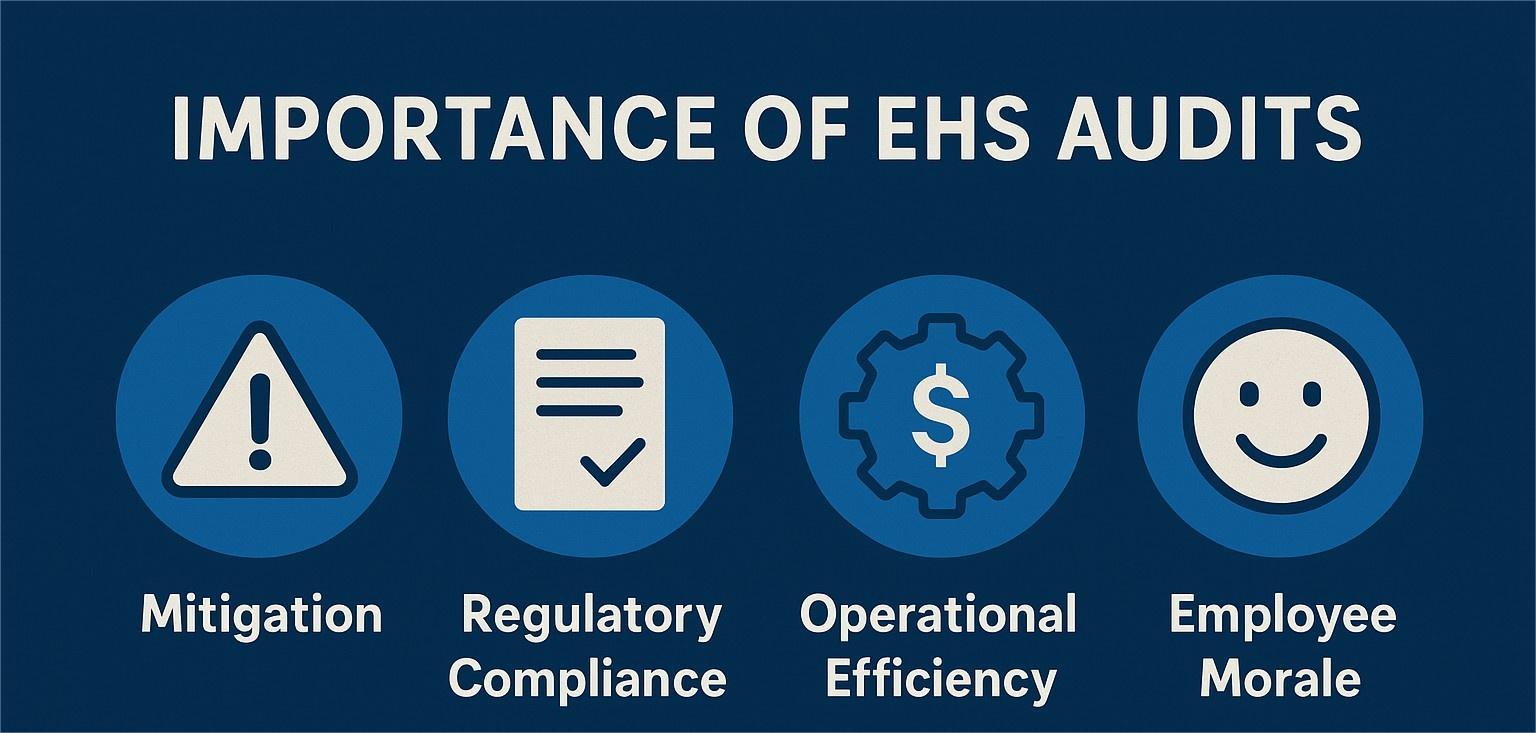
EHS audits are essential for organizations aiming to uphold safety standards and regulatory compliance. They provide a structured approach to identifying risks, ensuring legal adherence, and improving operational efficiency. Below are the key reasons why EHS audits are critical:
Risk Identification and Mitigation
EHS audits enable organizations to detect potential hazards before they escalate into serious incidents. By identifying issues such as improper chemical storage, inadequate ventilation, or faulty equipment, audits allow organizations to implement corrective measures proactively. This reduces the likelihood of workplace accidents, injuries, and environmental damage.
Regulatory Compliance
Compliance with local, national, and international EHS regulations is a core objective of these audits. They help organizations maintain up-to-date records, prepare for regulatory inspections, and avoid fines or legal action. Audits also ensure alignment with standards such as ISO 14001 for environmental management or ISO 45001 for occupational health and safety.
Operational Efficiency
Beyond safety and compliance, EHS audits can reveal inefficiencies in processes or resource utilization. For example, an audit might identify outdated equipment or redundant procedures, prompting organizations to adopt more efficient practices. This can lead to cost savings and improved productivity.
Reputation and Employee Morale
Conducting regular EHS audits demonstrates an organization’s commitment to safety and environmental responsibility. This can enhance trust among stakeholders, including employees, customers, and regulators. A strong safety culture also boosts employee morale, engagement, and retention by showing that their well-being is a priority.
Role of EHS Software
EHS audits are critical for maintaining workplace safety and compliance, and integrating EHS software can significantly enhance their effectiveness. These software solutions streamline audit processes by automating documentation, tracking compliance metrics, and providing real-time data analytics. By centralizing records and enabling proactive monitoring, EHS software helps organizations address potential hazards efficiently and maintain alignment with regulatory standards.

Leveraging CampusOptics for EHS Audits
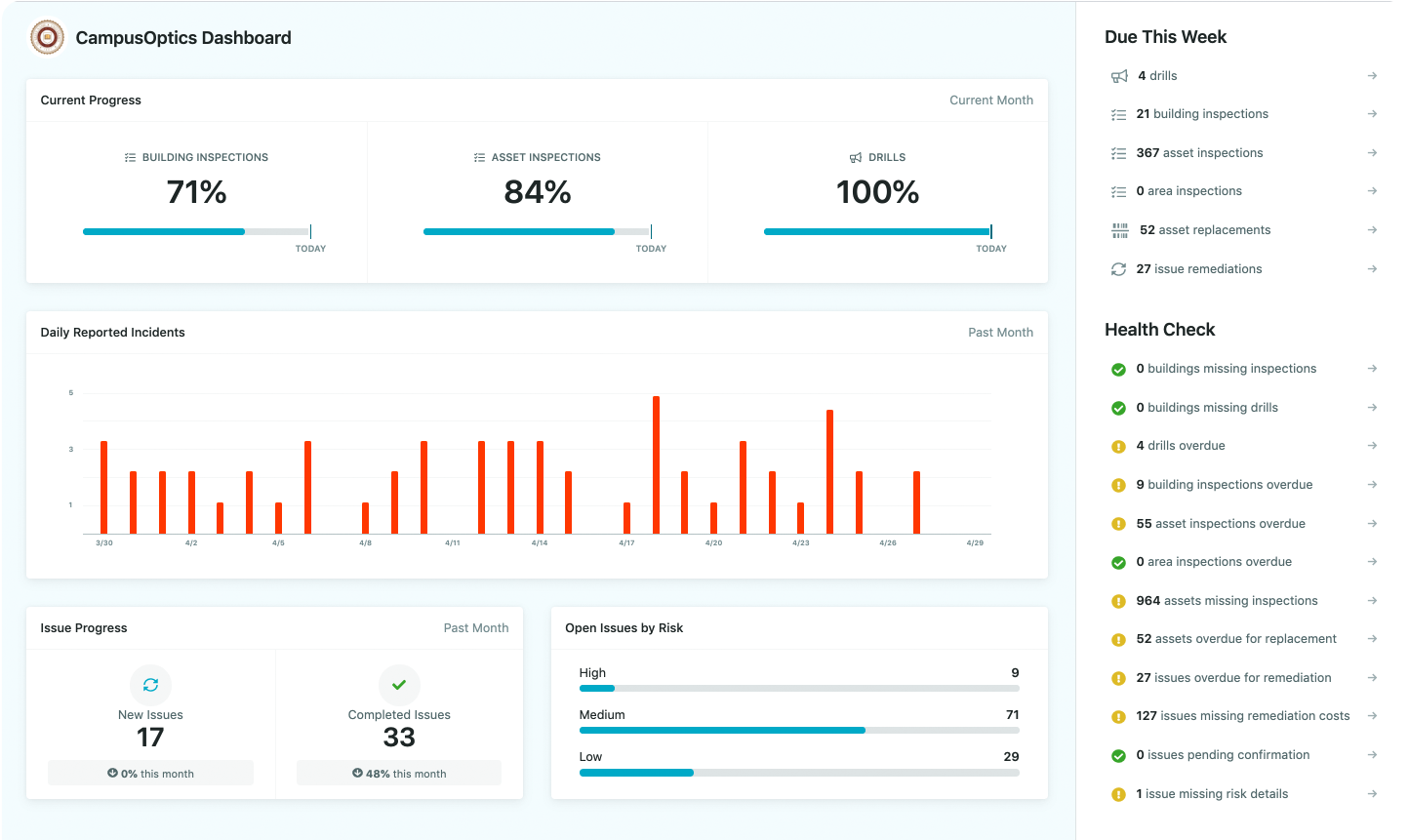
As CampusOptics, we’ve designed our platform to simplify and enhance EHS audits for higher education institutions. Our cross-functional EHS solution centralizes critical data, from chemical inventories to incident records, making audit preparation and execution more efficient. With real-time access to inspection data, hazard maps, and compliance records, our platform helps campus safety teams identify and address potential issues before they escalate, ensuring smoother audits and stronger safety outcomes.
Our mobile app, available on iOS and Android, supports on-the-go audit tasks, allowing users to scan barcodes for quick asset verification, capture photos of hazards during walkthroughs, and access documents like Safety Data Sheets instantly. Integrated with SSO authentication, CampusOptics ensures seamless collaboration across departments, so risk managers, emergency planners, and safety professionals can access relevant data during audits. By streamlining documentation and providing actionable insights, we help campuses reduce audit preparation time and maintain compliance with confidence.
Preparing for an EHS Audit
Effective preparation is crucial for a successful EHS audit. Proper planning ensures that the audit is focused, comprehensive, and aligned with organizational goals. The following steps outline the preparation process:
Define the Audit Scope and Objectives
The first step is to establish the audit’s scope and objectives. This involves determining which areas of the organization will be audited, such as specific facilities, processes, or departments. The objectives should align with regulatory requirements and the organization’s EHS goals. For example, an audit might focus on compliance with hazardous material regulations or the effectiveness of emergency response protocols.
Gather Documentation
Comprehensive documentation is essential for an EHS audit. This includes safety policies, incident logs, training records, equipment maintenance schedules, and compliance certificates. Organized records demonstrate adherence to regulations and provide auditors with the necessary evidence to evaluate compliance. Digital tools can streamline document management, ensuring accessibility during the audit.
Train Employees
Employees play a critical role in the audit process, as they may need to demonstrate compliance with safety protocols or answer auditors’ questions. Providing targeted training sessions ensures that employees understand their responsibilities and are familiar with current policies. This preparation helps create a collaborative environment during the audit.
Conduct a Pre-Audit Review
An internal self-assessment or mock audit can identify potential gaps before the formal audit begins. Using checklists or simulating the audit process allows organizations to address issues proactively, reducing the risk of non-compliance findings. This step also familiarizes staff with the audit process, improving their readiness.
Engage External Expertise
For complex audits or organizations with limited resources, hiring external EHS consultants can provide specialized expertise. Consultants can conduct mock audits, identify compliance gaps, and offer tailored recommendations. Their objective perspective ensures a thorough evaluation of EHS practices.
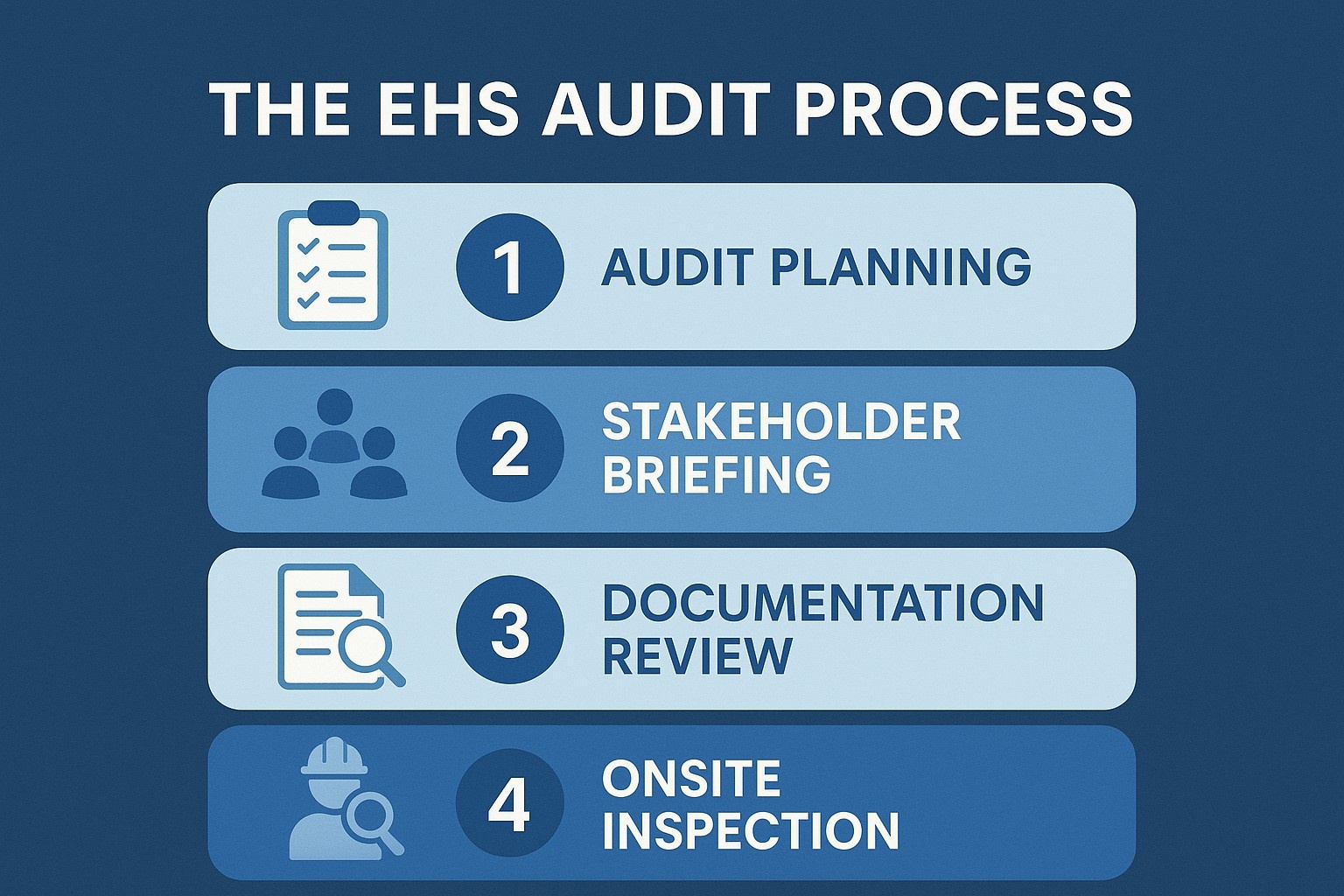
The EHS Audit Process
The EHS audit process is a structured sequence of steps designed to evaluate compliance and identify areas for improvement. The following outlines the key stages:
Step 1: Audit Planning
Planning sets the foundation for a successful audit. This involves defining the scope, objectives, and methodology, as well as allocating resources. The audit plan should align with relevant regulations and industry standards, ensuring a focused and efficient process.
Step 2: Stakeholder Briefing
Before the audit begins, stakeholders, including employees and management, should be briefed on their roles and responsibilities. Clear communication fosters cooperation and ensures that accurate information is provided during the audit.
Step 3: Documentation Review
Auditors review policies, procedures, and compliance records to verify adherence to regulations. This step ensures that documentation is accurate, complete, and aligned with current standards.
Step 4: Onsite Inspection
The onsite inspection involves a walk-through of facilities to assess equipment, processes, and employee practices. Auditors may interview staff, observe operations, and use technology to collect data. This step validates compliance claims and identifies potential hazards.
Step 5: Risk Evaluation
Using data from the inspection and documentation review, auditors identify compliance gaps and assess risks. They compare findings against regulatory standards and internal policies to determine the effectiveness of existing controls.
Step 6: Debriefing
A debriefing session allows auditors to discuss findings with management and clarify any discrepancies. This collaborative step ensures that all parties understand the results and can agree on corrective actions.
Step 7: Final Report and Monitoring
The audit concludes with a comprehensive report detailing findings, compliance gaps, and recommendations. The report prioritizes corrective actions based on risk severity. Ongoing monitoring ensures that implemented changes are effective and sustainable.
Common Challenges in EHS Audits
EHS audits can be complex, with several challenges that organizations must address to ensure success. Below are the primary obstacles and strategies to overcome them:
Incomplete Documentation
Missing or outdated records can hinder an audit, as they prevent auditors from verifying compliance. To address this, organizations should digitize documentation and conduct regular reviews to ensure accuracy and accessibility.
Limited Employee Engagement
Employees who are unaware of safety protocols or their audit responsibilities may contribute to non-compliance findings. Regular training and clear communication can ensure that staff are informed and engaged.
Unpreparedness for Surprise Audits
Unannounced regulatory audits can disrupt operations and reveal compliance gaps. Using checklists and maintaining up-to-date records can help organizations stay prepared for unexpected inspections.
Resource Constraints
Limited budgets or staffing can restrict an organization’s ability to conduct thorough audits. Prioritizing high-risk areas and leveraging cost-effective tools, such as EHS audit software, can optimize resource use.
Resistance to Change
Implementing corrective actions may face resistance from employees or management. Engaging stakeholders early, communicating the benefits of compliance, and involving staff in decision-making can foster acceptance.
Best Practices for Effective EHS Audits
To maximize the effectiveness of EHS audits, organizations should adopt the following practices:
- Use Standardized Checklists: Checklists ensure that critical areas are covered and reduce the likelihood of overlooking key compliance requirements. However, they should be tailored to address organization-specific risks.
- Leverage Technology: Digital tools, such as EHS audit platforms, streamline documentation, track compliance, and provide real-time insights. These tools enhance efficiency and accuracy.
- Engage Competent Auditors: Whether internal or external, auditors should have the expertise to navigate complex regulations and provide objective assessments.
- Promote a Safety Culture: Regular training and open communication foster a workplace culture that prioritizes safety and compliance.
- Monitor Continuously: Ongoing monitoring ensures that corrective actions are effective and that the organization remains compliant over time.
Global Considerations for EHS Audits
Organizations operating across multiple jurisdictions face unique challenges due to varying EHS regulations. For example, some countries enforce stringent standards, while others have minimal requirements. Supply chain audits are particularly important for global corporations, as they ensure that suppliers adhere to consistent EHS standards. Centralized compliance management systems can standardize procedures while allowing for jurisdiction-specific adaptations. Additionally, tools that track regulatory updates in real-time help organizations stay informed of changes.
Conclusion
EHS audits are a vital component of workplace safety and regulatory compliance. By systematically evaluating policies, procedures, and operations, these audits identify risks, ensure adherence to standards, and drive continuous improvement. Effective preparation, a structured audit process, and proactive practices are essential for success. Despite challenges such as incomplete documentation or resource constraints, organizations can overcome obstacles by leveraging technology, engaging stakeholders, and prioritizing high-risk areas. Regular EHS audits not only protect employees and the environment but also enhance operational efficiency and organizational reputation.
Frequently Asked Questions
What is the primary purpose of an EHS audit?
An EHS audit evaluates an organization’s compliance with environmental, health, and safety regulations, identifies risks, and recommends corrective actions to ensure a safe workplace.
Who can conduct an EHS audit?
EHS audits can be conducted by qualified internal staff with sufficient training or by external consultants with expertise in EHS regulations.
How often should EHS audits be performed?
The frequency depends on the industry and risk level. High-risk sectors, such as manufacturing, may require more frequent audits than low-risk office environments.
What types of documentation are needed for an EHS audit?
Documentation includes safety policies, incident logs, training records, equipment maintenance schedules, and compliance certificates.
What are the consequences of non-compliance identified during an audit?
Non-compliance can lead to fines, legal action, operational disruptions, or reputational damage, depending on the severity of the violation.
Can technology assist in EHS audits?
Yes, digital tools and EHS audit platforms streamline documentation, track compliance, and provide data analytics to enhance the audit process.
How can organizations prepare for surprise audits?
Maintaining up-to-date records, using checklists, and conducting regular internal audits ensure readiness for unannounced regulatory inspections.