An Environmental, Health, and Safety (EHS) technician is a professional tasked with supporting workplace safety and environmental compliance through hands-on technical work. Operating under the guidance of EHS managers or specialists, they execute safety protocols, monitor environmental conditions, and ensure adherence to regulatory standards. Their role is essential in preventing workplace accidents and minimizing environmental harm across various industries. This article provides a detailed examination of what an EHS technician is, covering their duties, work environments, required skills, and qualifications to offer a comprehensive understanding of their contribution to safe and compliant workplaces.
Primary Duties of an EHS Technician
EHS technicians undertake a range of technical tasks to maintain safe and compliant workplaces. Their responsibilities focus on implementing policies, monitoring conditions, and supporting safety initiatives to prevent accidents and ensure regulatory adherence.
Performing Safety Inspections
EHS technicians conduct systematic inspections of facilities to identify hazards and verify compliance with safety standards. They assess equipment, workspaces, and operational processes, checking for issues such as improper chemical storage, faulty machinery, or inadequate safety signage. For example, in a manufacturing plant, they might ensure machine guards are functional, while in a healthcare setting, they verify biohazard containment measures. These inspections involve detailed documentation of findings, followed by recommendations for corrective actions to mitigate identified risks and maintain a safe work environment.
Monitoring Environmental Conditions
A significant part of an EHS technician’s role involves collecting and analyzing environmental samples to detect potential hazards. They gather samples of air, water, soil, or other materials to test for pollutants or hazardous substances, using field or laboratory methods. For instance, they might monitor air quality in a factory to ensure emissions comply with regulatory limits or test water samples in a medical facility to confirm sanitation standards. This data helps assess workplace safety and environmental impact, enabling technicians to recommend adjustments to processes or equipment to reduce risks.
Assisting in Incident Investigations
When workplace incidents, such as injuries or accidents, occur, EHS technicians assist in determining their causes. They collect evidence, interview witnesses, and document details to support thorough investigations. Working alongside EHS specialists, they analyze factors like equipment failures, human errors, or procedural deficiencies. Their findings contribute to detailed reports that outline root causes and propose preventive measures, ensuring lessons learned are applied to enhance future safety practices and reduce the likelihood of recurrence.
Ensuring Compliance with Regulations
EHS technicians ensure workplaces adhere to federal, state, and local regulations, such as those set by the Occupational Safety and Health Administration (OSHA) or the Environmental Protection Agency (EPA). They review safety procedures, maintain compliance records, and prepare documentation for regulatory audits. By staying informed about relevant laws, they help organizations avoid penalties and maintain safe operations. Their role includes verifying that workplace practices align with standards on issues like chemical exposure limits or waste disposal protocols.
Supporting Employee Safety Training
Training employees on safety protocols is a critical function of EHS technicians. They assist in developing training materials or conducting sessions on topics such as emergency evacuation, proper use of personal protective equipment, or safe handling of hazardous materials. For example, they might train construction workers on fall protection or hospital staff on biohazard procedures. By ensuring employees understand their safety responsibilities, technicians help reduce workplace risks and foster a culture of compliance and awareness.
Maintaining Safety Equipment
EHS technicians are responsible for installing, calibrating, and repairing safety equipment to ensure it functions correctly. This includes devices like fire alarms, ventilation systems, or emission control units. They perform routine maintenance, troubleshoot issues, and verify that equipment meets regulatory standards. For instance, in a laboratory, they might calibrate air monitoring devices to ensure accurate readings, contributing to a safe and compliant work environment through reliable equipment performance.
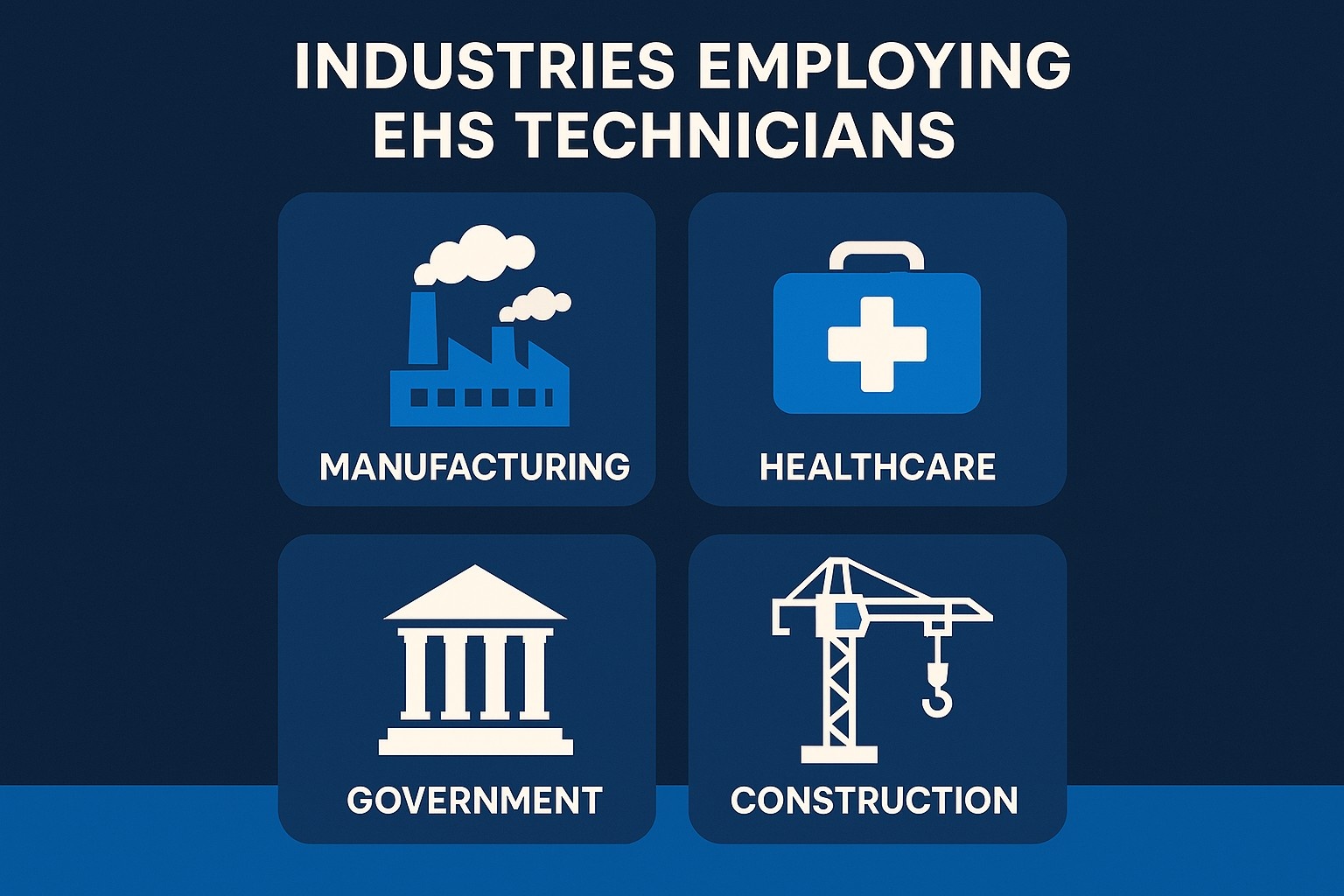
Industries Employing EHS Technicians
EHS technicians work in diverse sectors, each with unique safety and environmental challenges. Their roles are tailored to address industry-specific requirements, ensuring safe operations and regulatory compliance.
Manufacturing
In manufacturing, EHS technicians focus on the safe handling of industrial chemicals and machinery. They monitor compliance with regulations governing waste disposal and emissions, conducting inspections to prevent accidents caused by equipment misuse or exposure to hazardous materials. Their work ensures that production processes align with safety standards, minimizing risks to workers and the environment.
Healthcare
Hospitals and medical facilities rely on EHS technicians to manage biohazards and ensure proper disposal of medical waste. They oversee sanitation practices, such as maintaining sterile environments, and verify compliance with regulations related to chemical and biological hazards. Their efforts help protect healthcare workers and patients from potential risks in clinical settings.
Government
In government roles, EHS technicians may serve as compliance officers or consultants, ensuring public sector facilities meet safety and environmental standards. They might inspect government buildings or advise private organizations on regulatory adherence, contributing to public safety and environmental protection across various settings.
Construction
Construction sites require EHS technicians to oversee safety practices, such as fall protection and proper scaffolding use. They conduct inspections to identify hazards like unsafe equipment or inadequate safety barriers, ensuring compliance with building codes and safety regulations. Their work helps maintain safe job sites amid dynamic and high-risk conditions.
Consulting Services
In consulting roles, EHS technicians provide technical expertise to organizations on a contractual basis. They assess business practices, produce compliance reports, and recommend improvements to enhance safety and environmental performance. Their work often spans multiple industries, requiring adaptability to diverse workplace challenges.
Essential Skills for an EHS Technician
To perform their duties effectively, EHS technicians require a combination of technical, analytical, and interpersonal skills tailored to their role.
Technical Knowledge
Proficiency in operating safety equipment, conducting environmental sampling, and understanding regulatory frameworks is critical. Technicians must be adept at using tools like air quality monitors or calibration devices and stay informed about industry-specific safety standards to ensure accurate and compliant work.
Analytical Abilities
EHS technicians analyze data from inspections or environmental tests to identify trends or risks. For example, they might evaluate patterns of safety incidents to propose targeted solutions, such as improved maintenance schedules. Strong analytical skills enable them to assess complex situations and recommend effective corrective actions.
Communication Skills
Clear communication is essential for training employees, reporting findings, and collaborating with management. EHS technicians often serve as intermediaries between frontline workers and decision-makers, conveying technical information in a way that is understandable and actionable across all levels of an organization.
Organizational Skills
Managing inspection schedules, maintaining accurate records, and tracking corrective actions require strong organizational abilities. Attention to detail ensures that documentation meets regulatory requirements and that compliance tasks are completed efficiently, supporting overall workplace safety.
Qualifications for Becoming an EHS Technician
The role of an EHS technician emphasizes practical skills and experience, supported by relevant education and training to prepare professionals for their responsibilities.
Educational Requirements
Most EHS technician positions require at least a high school diploma or equivalent, with coursework in science-related fields like environmental science, biology, or chemistry. An associate degree in occupational health, safety, or environmental studies is often preferred, providing foundational knowledge in hazard analysis, regulatory compliance, and environmental protection. Some roles may accept a bachelor’s degree for positions with increased responsibility or complexity.
Professional Experience
Entry-level EHS technician roles typically require one to two years of experience in safety or environmental programs. This experience can be gained through internships, technician roles, or related positions in industries like manufacturing or healthcare. Practical exposure to tasks such as conducting inspections or managing hazardous materials builds the expertise needed for the role.
Certifications and Training
Certifications, while not always required, strengthen an EHS technician’s qualifications by showcasing specialized expertise. These credentials validate proficiency in areas such as occupational hygiene, safety practices, and hazardous material management. They often cover topics like hazard identification, regulatory compliance, safe work procedures, and emergency response protocols. Obtaining such certifications enhances employability and equips technicians with the skills to address industry-specific safety and environmental challenges effectively.
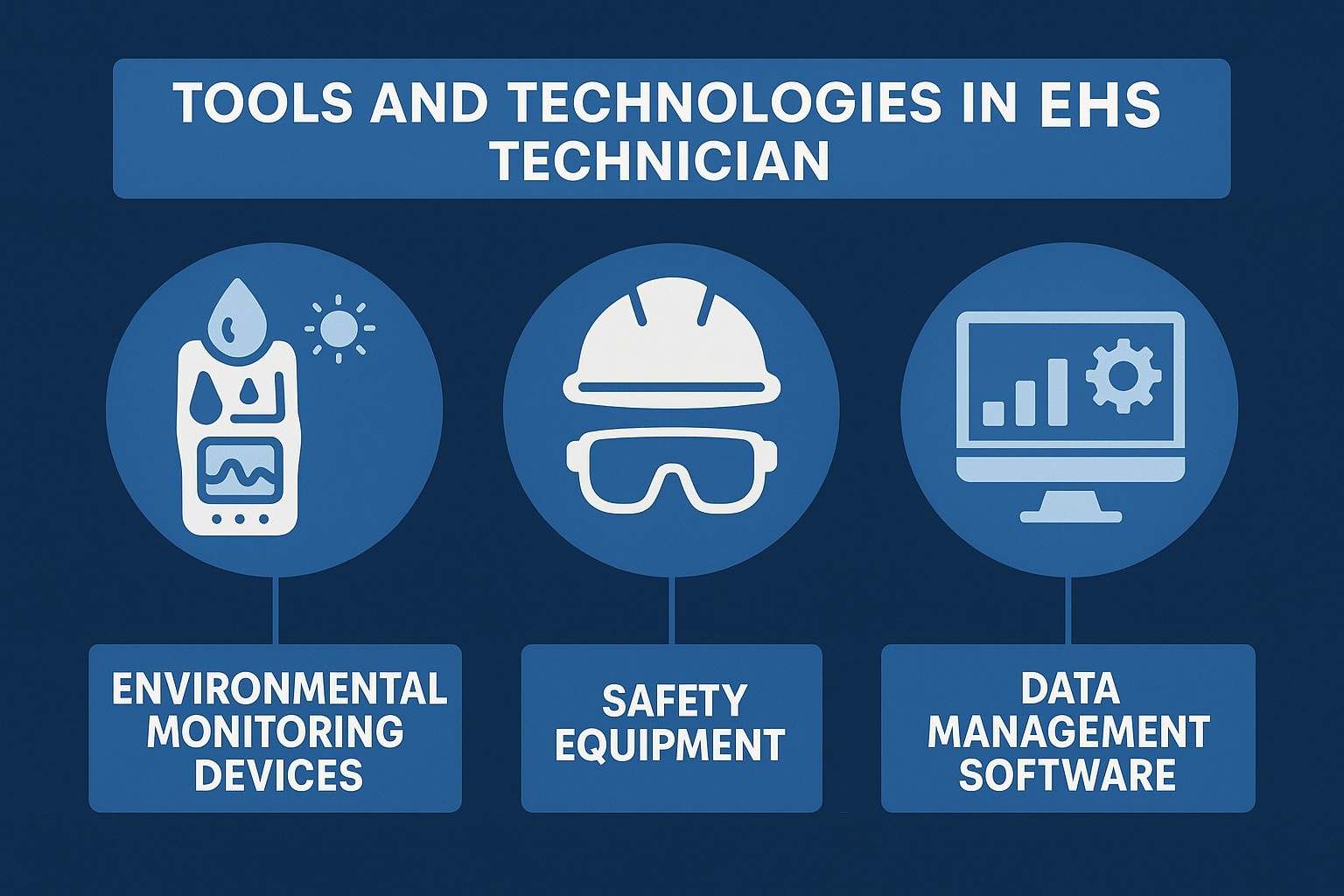 Tools and Technologies in EHS Technician Work
EHS technicians rely on various tools to perform their duties efficiently and accurately, including:
- Environmental Monitoring Devices: Tools like air quality monitors or water testing kits for assessing environmental conditions and detecting hazards.
- Safety Equipment: Calibration devices for fire alarms, ventilation systems, or emission controls to ensure proper functionality.
- Data Management Software: Platforms for tracking inspection results, incident reports, and compliance records to streamline documentation.
- Mobile Applications: Apps for logging hazards, uploading photos, or accessing safety data during inspections, enhancing on-site efficiency.
These tools improve the accuracy of inspections, reduce manual errors, and provide data-driven insights for enhancing safety measures.

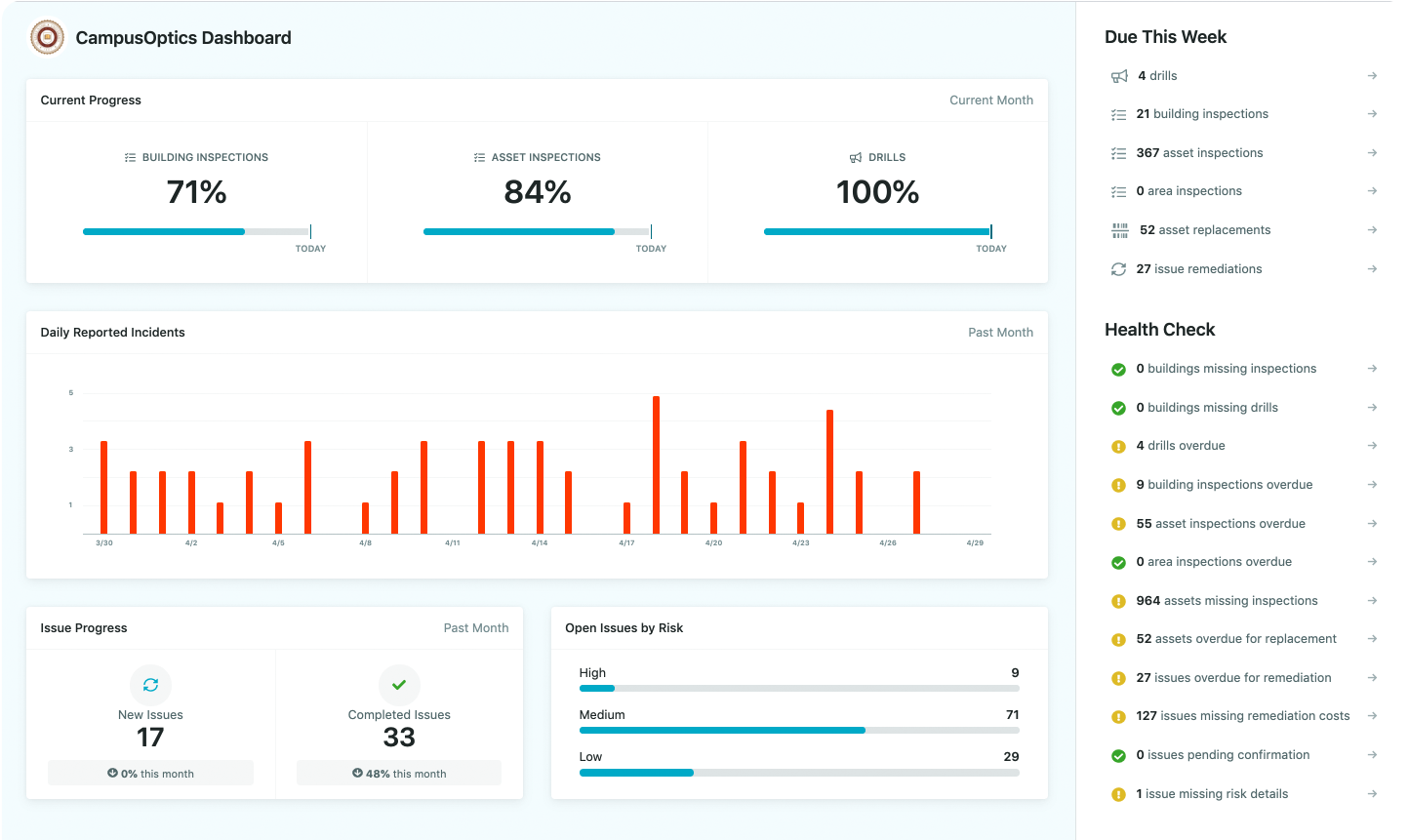
Supporting EHS Technicians with CampusOptics
At CampusOptics, we built our platform with EHS technicians in mind, knowing how much of their day happens out in the field, away from a desk. We’re a team that’s seen firsthand the chaos of juggling spreadsheets and paper forms across a sprawling campus, and we wanted to change that. Our EH&S solution is tailored for higher education, helping technicians like you track chemical inventories, run inspections, and log incidents right from your phone, whether it’s an iOS or Android device. Features like barcode scanning for quick chemical checks or talk-to-text for jotting down notes during a walkthrough save real time, letting you focus on what matters: spotting risks before they turn into problems.
We’ve talked to hundreds of campus safety pros over the years, and one thing stands out, they need tools that pull everything together, chemical waste tracking, asset mapping, even emergency plans, all in one spot. That’s why we include visualization options, so you can map out safety assets or incidents across the entire campus with a few taps. Implementation is straightforward, we get you set up in weeks, not months, and our support sticks around to tweak things as your needs shift. It’s about making your job as an EHS technician smoother in those complex university environments, where collaboration across departments is key but often feels like herding cats.
 Specialized Fields for EHS Technicians
EHS technicians may specialize in specific areas based on their industry and organizational needs, allowing them to focus on targeted safety and environmental concerns.
Industrial Hygiene
Technicians specializing in industrial hygiene address chemical exposures, noise levels, and nonionizing radiation. They monitor ventilation systems, conduct hearing conservation programs, and ensure safe disposal of hazardous materials, protecting workers and minimizing environmental impact.
Environmental Sanitation
In environmental sanitation, technicians manage biological hazards, pest control, and water safety. They oversee practices like food sanitation, waste disposal, and disease prevention, ensuring compliance with health regulations in settings such as hospitals or educational institutions.
Radiological Health
Technicians working with radiation monitor its usage, manage radioactive waste, and implement safety training. They ensure compliance with regulations governing radiation-producing devices, such as x-ray equipment, to protect workers and maintain safe operations.
Safety Engineering
Safety engineering tasks include investigating accidents, managing risks, and correcting hazards. Technicians identify safety deficiencies, such as improper equipment use, and recommend solutions to prevent injuries and improve workplace safety.
Fire Prevention Engineering
Fire prevention technicians ensure structures comply with fire codes and maintain equipment like fire alarms and extinguishers. They develop evacuation plans and conduct drills to prepare workers for emergencies, ensuring readiness for fire-related incidents.
Challenges Faced by EHS Technicians
EHS technicians encounter several challenges in their roles. Staying current with evolving regulations requires continuous learning, as new standards can impact workplace procedures. Balancing safety requirements with operational demands, such as minimizing downtime in manufacturing, is a persistent challenge. Additionally, adopting new technologies, like automated monitoring systems, demands familiarity with digital tools while ensuring compliance with regulatory standards.
Career Opportunities for EHS Technicians
EHS technicians can advance to roles like EHS specialists or managers with additional experience and education. Pursuing advanced certifications, such as the Certified Safety Professional (CSP), or specializing in areas like industrial hygiene can lead to leadership positions. Continuous professional development through workshops, industry conferences, or specialized training ensures technicians remain competitive and capable of addressing evolving workplace challenges.
Conclusion
An EHS technician is a critical professional who supports workplace safety and environmental compliance through technical expertise and practical tasks. Their responsibilities, from conducting inspections to ensuring regulatory adherence, contribute to safer work environments across industries like manufacturing, healthcare, and construction. With the right combination of skills, education, and certifications, EHS technicians play an essential role in preventing accidents and protecting the environment, adapting to regulatory and technological changes to maintain effective safety practices.
Frequently Asked Questions
What is an EHS technician’s primary role?
An EHS technician supports workplace safety by conducting inspections, monitoring environmental conditions, ensuring regulatory compliance, and assisting with training.
What industries employ EHS technicians?
They work in manufacturing, healthcare, construction, government, and consulting, addressing sector-specific safety and environmental requirements.
What education is needed for an EHS technician?
A high school diploma with relevant experience or an associate degree in fields like environmental science or occupational health is typically required.
Are certifications required for EHS technicians?
Certifications like the OHST or OSHA training are optional but enhance qualifications by demonstrating specialized knowledge and skills.
What skills are essential for an EHS technician?
Technical knowledge, analytical abilities, communication, and organizational skills are critical for inspections, compliance, and training tasks.
What tools do EHS technicians use?
They use environmental monitoring devices, safety equipment, data management software, and mobile apps to perform inspections and ensure compliance.
How can EHS technicians advance their careers?
Gaining experience, earning certifications like the CSP, and pursuing continuous education can lead to roles like EHS specialist or manager.