In the complex landscape of modern business operations, ensuring the well-being of employees, compliance with regulations, and environmental responsibility is a critical priority. EHS, an acronym for Environment, Health, and Safety, serves as a foundational framework for achieving these objectives. This article provides a detailed examination of what EHS stands for in a business context, its core components, implementation strategies, and its role in fostering operational integrity. Drawing from established industry insights, this piece aims to deliver a clear, technical understanding of EHS and its significance.
Defining EHS in Business
EHS stands for Environment, Health, and Safety, representing a structured approach to managing workplace safety, employee well-being, and environmental impact. It encompasses policies, procedures, and systems designed to mitigate risks, ensure regulatory compliance, and promote sustainable practices within an organization. Each component of EHS addresses specific aspects of business operations:
- Environment: Focuses on minimizing the ecological footprint of business activities, including managing waste, emissions, and resource use to comply with environmental regulations.
- Health: Prioritizes the physical and mental well-being of employees, addressing exposure to hazards and promoting wellness initiatives.
- Safety: Involves protocols to prevent workplace accidents, injuries, and incidents through risk assessments and safety measures.
EHS is not merely a set of guidelines but a comprehensive system that integrates into the operational and cultural fabric of an organization. It ensures that businesses operate responsibly while safeguarding their workforce and the surrounding environment.
Core Components of EHS Management
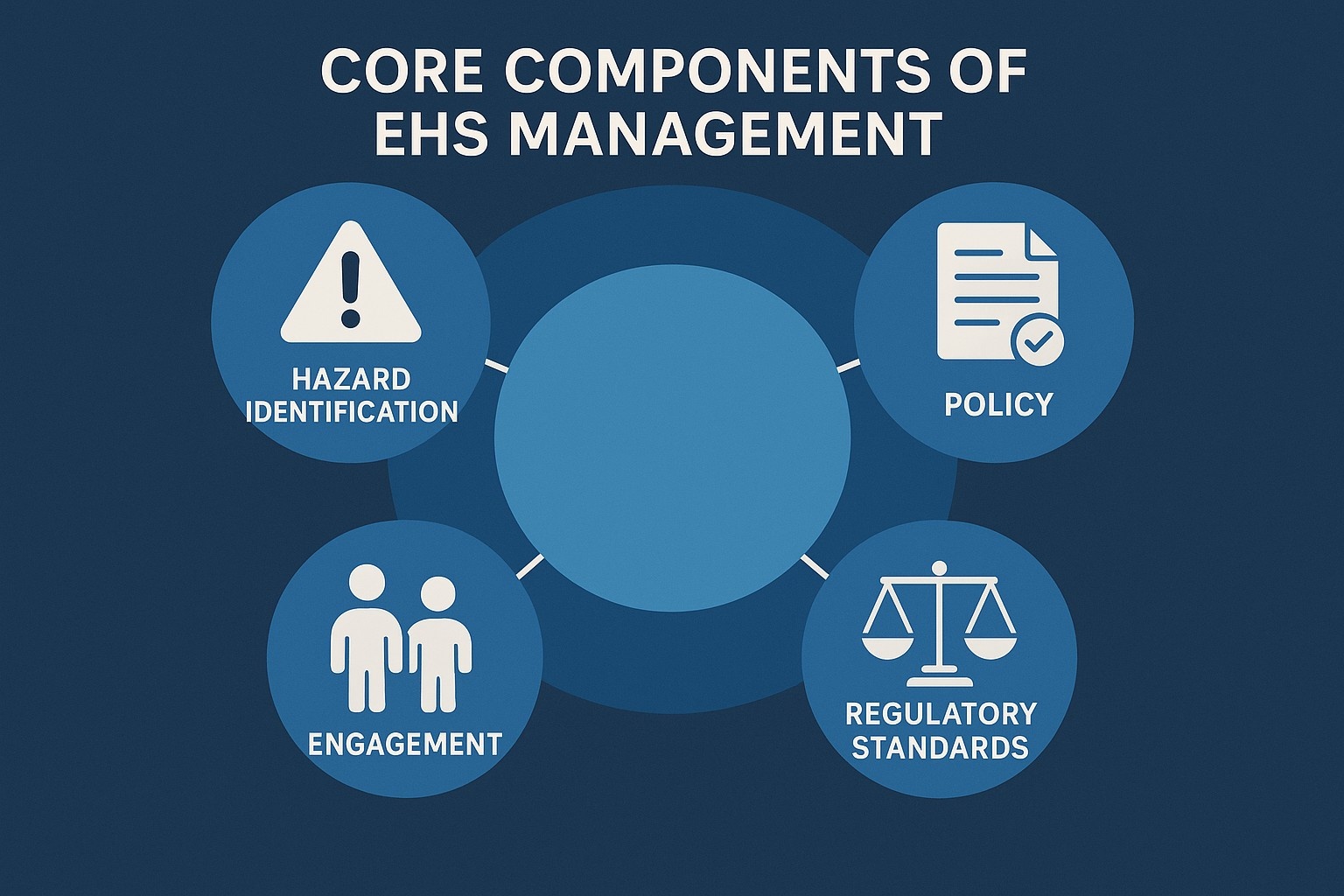
EHS management is built on several key functions that collectively address the multifaceted challenges of workplace safety and environmental stewardship. These components form the backbone of an effective EHS strategy.
Risk Assessment and Hazard Identification
At the heart of EHS lies the systematic identification and evaluation of potential workplace hazards. This process involves analyzing operations to pinpoint risks such as chemical exposures, ergonomic issues, or equipment malfunctions. By proactively assessing these risks, organizations can develop targeted strategies to mitigate them, reducing the likelihood of accidents or environmental harm.
Policy and Procedure Development
EHS policies provide a structured framework for maintaining safety and compliance. These policies outline clear guidelines for safe work practices, emergency response protocols, and environmental management. Well-defined procedures ensure consistency across the organization, enabling employees to understand their roles in upholding EHS standards.
Compliance with Regulatory Standards
Adherence to local, national, and international regulations is a cornerstone of EHS management. Regulatory bodies such as the Occupational Safety and Health Administration (OSHA) and the Environmental Protection Agency (EPA), along with international standards like ISO 14001 and ISO 45001, set requirements for workplace safety and environmental performance. EHS programs ensure that businesses meet these obligations to avoid penalties and maintain operational legitimacy.
Employee Training and Engagement
Training is a critical element of EHS, equipping employees with the knowledge to recognize hazards, follow safety protocols, and handle hazardous materials. Regular training sessions foster a culture of awareness and accountability, encouraging employees to actively participate in maintaining a safe workplace.
Incident Investigation and Reporting
When incidents occur, EHS systems facilitate thorough investigations to determine root causes and implement corrective actions. Effective reporting mechanisms ensure that near-misses and incidents are documented, providing valuable data for continuous improvement.
Environmental Stewardship
EHS programs address environmental impacts by implementing strategies for waste reduction, energy conservation, and emissions control. These efforts align with sustainability goals, ensuring that business operations minimize harm to the natural environment.
Emergency Preparedness
Preparing for potential emergencies, such as fires, chemical spills, or natural disasters, is a vital EHS function. Comprehensive emergency plans outline response procedures, ensuring that employees and facilities are equipped to handle crises effectively.
The Role of EHS in Business Operations
EHS, standing for Environment, Health, and Safety, is deeply integrated into the operational strategy of a business, functioning as a vital component that aligns safety, employee well-being, and environmental responsibility with core organizational objectives. Far from being an isolated department or a mere compliance checklist, EHS requires active collaboration across all levels of an organization to embed its principles into daily operations. This integration ensures that businesses not only meet regulatory requirements but also foster a workplace where safety and sustainability are prioritized, reducing risks and enhancing overall performance.
Cross-Departmental Integration
Effective EHS implementation relies on seamless cooperation among various departments, each contributing unique expertise to uphold safety and compliance. Operations teams play a central role by incorporating safe work practices into their workflows, such as maintaining equipment to prevent malfunctions or handling hazardous materials according to protocol. Human resources departments oversee critical functions like organizing EHS training programs, managing certifications, and implementing wellness initiatives to support employee health. The IT department supports these efforts by deploying and maintaining EHS software systems that streamline data collection, incident reporting, and compliance tracking. Executive leadership sets the tone by establishing a safety-first culture, allocating budgets for EHS initiatives, and ensuring accountability at all levels.
This cross-functional approach creates a cohesive system where EHS is not siloed but woven into the fabric of daily operations. For example, when operations and HR collaborate on regular safety drills, or when IT integrates real-time hazard reporting tools, the organization becomes more proactive in addressing risks. By aligning departmental roles with EHS goals, businesses ensure that safety and environmental considerations are embedded in decision-making processes, from procurement to production.
Building a Safety Culture
A robust EHS culture hinges on fostering transparency, accountability, and continuous improvement throughout the organization. Regular safety meetings provide a platform for employees to discuss potential hazards, review protocols, and share insights, creating an open dialogue that encourages proactive reporting of near-misses or unsafe conditions. Clear communication channels ensure that employees at all levels feel empowered to voice concerns without fear of reprisal, which is essential for early hazard detection.
Recognition of safe behaviors, such as rewarding teams for consistent adherence to protocols or innovative safety suggestions, reinforces positive practices and boosts morale. For instance, acknowledging an employee who identifies a chemical storage issue can inspire others to stay vigilant. Additionally, fostering accountability means that every employee, from frontline workers to managers, understands their role in maintaining EHS standards. This cultural shift transforms safety from a top-down mandate into a shared responsibility, reducing incidents and creating a more engaged workforce.
Aligning EHS with Business Objectives
EHS integration goes beyond compliance to support broader business goals. By reducing workplace incidents, businesses minimize disruptions, maintain productivity, and avoid costly downtime. A strong EHS framework also enhances employee retention by demonstrating a commitment to their well-being, which can reduce turnover costs. Furthermore, aligning EHS with sustainability objectives, such as reducing energy consumption or waste, can lead to operational efficiencies that lower costs and improve market competitiveness. This strategic alignment ensures that EHS contributes to long-term business success while upholding ethical and regulatory responsibilities.
Overcoming Barriers to Integration
Integrating EHS into business operations can face challenges, such as resistance to change or competing priorities. Some departments may view EHS as an additional burden rather than a core function, particularly in high-pressure environments focused on output. To address this, leadership must clearly communicate the value of EHS, emphasizing its role in protecting both people and the bottom line. Providing adequate resources, such as time for training or tools for hazard monitoring, is also critical to overcoming barriers and ensuring that EHS becomes a natural part of operations.
- Departmental Collaboration: Ensures operations, HR, and IT work together to embed EHS into workflows.
- Leadership Support: Drives cultural change by prioritizing safety and allocating resources.
- Employee Engagement: Encourages active participation through open reporting and recognition.
- Strategic Alignment: Links EHS to business goals like cost savings and sustainability.
The Role of Technology in EHS Management
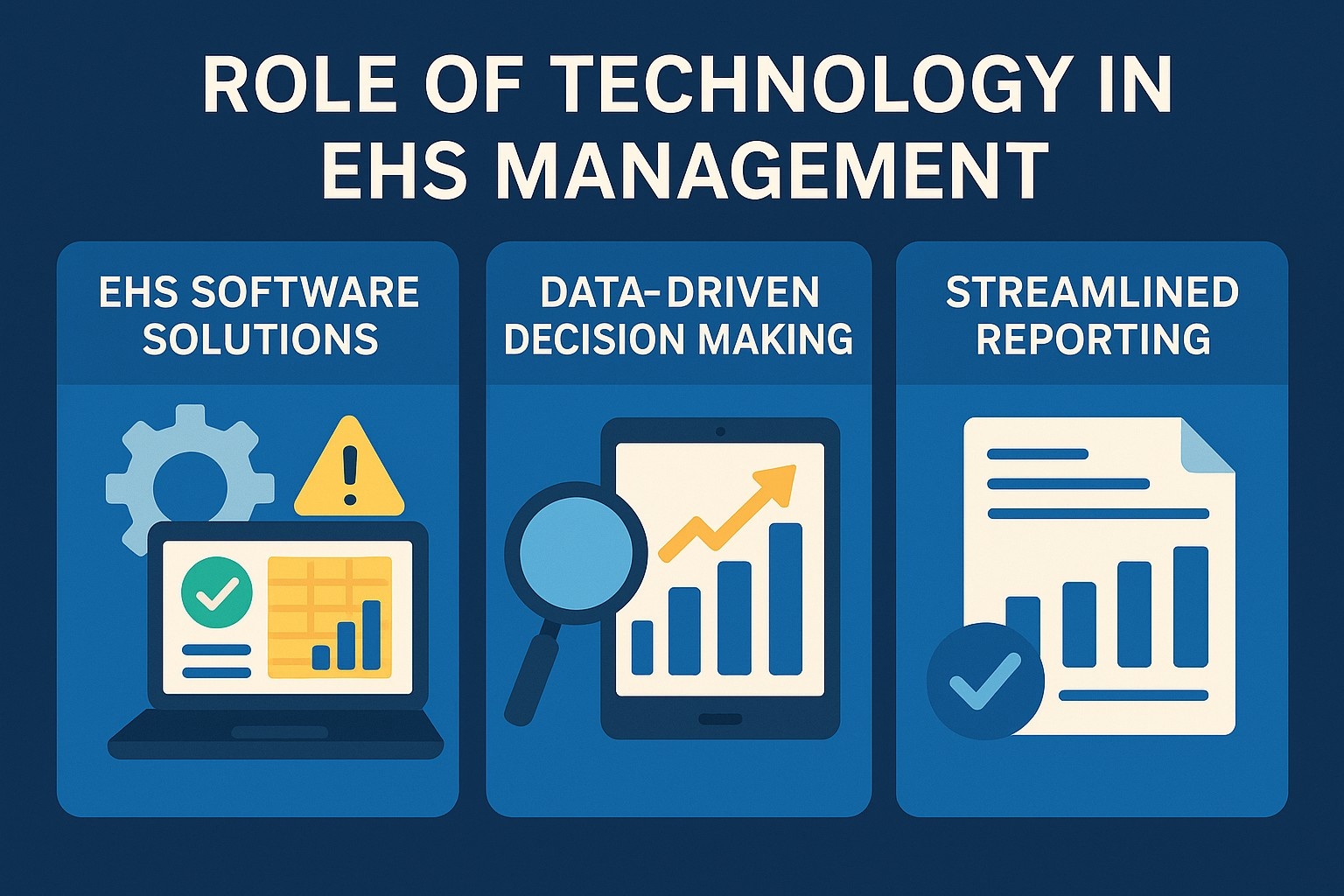
Modern EHS management increasingly relies on digital tools to streamline processes and enhance compliance.
EHS Software Solutions
EHS software automates tasks such as compliance tracking, incident reporting, and data analysis. These tools improve efficiency by standardizing data collection and providing real-time insights.
- Compliance Tracking: Automates monitoring of regulatory requirements, ensuring timely updates and adherence.
- Incident Reporting: Enables real-time submission of incident reports via mobile or web platforms, simplifying documentation.
- Data Analysis: Provides dashboards and analytics for tracking EHS performance metrics.
- Audit Management: Streamlines scheduling and tracking of safety audits, reducing administrative effort.
Data-Driven Decision Making
Advanced analytics enable organizations to identify trends, assess risks, and prioritize interventions. This data-driven approach enhances the effectiveness of EHS programs.
Streamlined Reporting
Digital platforms simplify incident reporting and compliance documentation, reducing administrative burdens and ensuring accurate records.

CampusOptics: Enhancing EHS in Higher Education
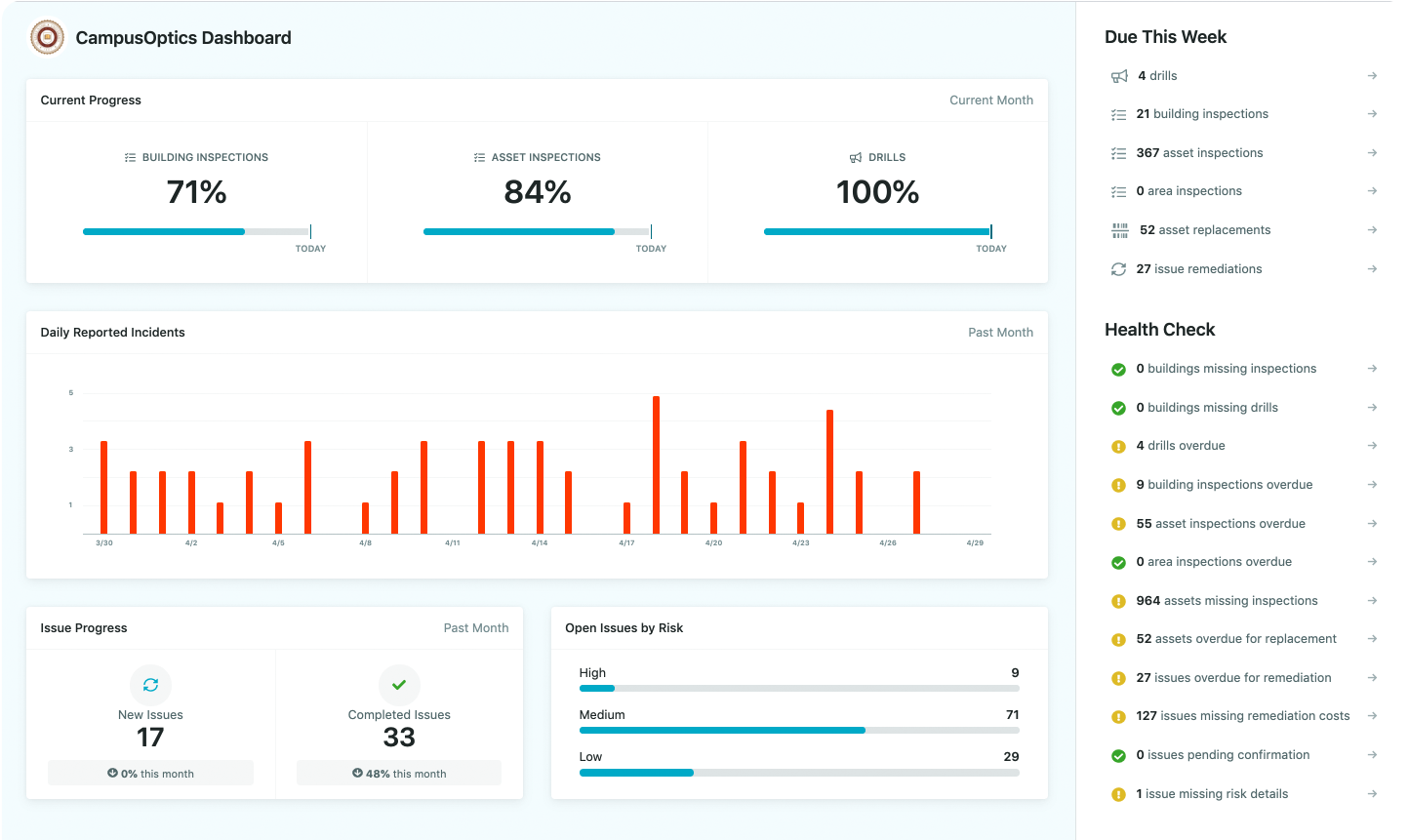
At CampusOptics, we understand that EHS – Environment, Health, and Safety – is a critical framework for businesses, including higher education institutions, to manage environmental impact, ensure employee and student well-being, and maintain safe operations. Our platform is designed specifically for colleges and universities, addressing the unique EHS challenges of campus environments by replacing outdated tools like spreadsheets with a unified, cloud-based system that promotes collaboration and transparency across departments.
Our mobile app empowers EHS professionals to manage tasks on the go, from scanning chemical containers to logging incidents and accessing safety documents, ensuring compliance with regulations like OSHA and ISO standards. Features like real-time data visualization and customizable permissions help campus teams track hazards, map safety assets, and streamline reporting, aligning with the core EHS principles of risk management and environmental stewardship. Rooted in a mission to prevent tragedies – inspired by a founder’s personal loss in a campus fire – we provide a solution that strengthens safety culture and reduces institutional risk efficiently.
Benefits of Effective EHS Management
Implementing a strong EHS program yields significant advantages for businesses, impacting both operational efficiency and long-term viability.
Enhanced Workplace Safety
By identifying hazards and enforcing safety protocols, EHS programs reduce the frequency and severity of workplace incidents. This creates a safer environment for employees, minimizing injuries and illnesses.
Cost Reduction
EHS initiatives help avoid costs associated with accidents, such as medical expenses, insurance claims, and legal fees. By preventing disruptions, businesses maintain productivity and operational continuity.
Regulatory Compliance
Adhering to EHS regulations mitigates the risk of fines, legal actions, and operational shutdowns. Compliance also enhances credibility with stakeholders, including regulators and customers.
Improved Reputation
Organizations with strong EHS practices are viewed as responsible and ethical, enhancing their reputation among employees, customers, and investors. This trust can translate into increased business opportunities and stakeholder confidence.
Environmental Sustainability
EHS programs promote sustainable practices, such as reducing waste and optimizing resource use. These efforts align with global sustainability goals and can lead to cost savings through improved efficiency.
Challenges in EHS Implementation
While EHS is critical, organizations often face obstacles in establishing effective programs.
Cultural Resistance
Shifting to an EHS-focused culture requires buy-in from all levels of the organization. Resistance from employees or leadership can hinder progress, particularly if safety is not prioritized.
Regulatory Complexity
Keeping pace with evolving regulations can be resource-intensive. Businesses must stay informed about changes to ensure ongoing compliance.
Resource Allocation
Implementing EHS programs requires investment in training, technology, and infrastructure. Smaller organizations may struggle to allocate sufficient resources.
Training and Engagement
Ensuring consistent employee training, especially in high-turnover industries, can be challenging. Maintaining engagement requires ongoing effort and communication.
Strategies for Effective EHS Implementation
To overcome these challenges, organizations can adopt structured approaches to EHS management.
Leadership Commitment
Leadership must champion EHS by setting a clear vision and allocating resources. By modeling accountability, leaders inspire employees to embrace safety practices.
Structured Risk Management Systems
A risk management system identifies potential issues proactively, allowing organizations to develop contingency plans. This systematic approach minimizes disruptions and enhances safety.
Continuous Monitoring and Improvement
Regular audits and performance reviews provide data to refine EHS practices. By analyzing incidents and trends, businesses can implement targeted improvements.
Employee Empowerment
Empowering employees to take ownership of EHS processes fosters accountability. Clear roles, regular feedback, and recognition of contributions strengthen engagement.
Measuring EHS Performance
To ensure EHS programs remain effective, organizations must establish metrics to track performance.
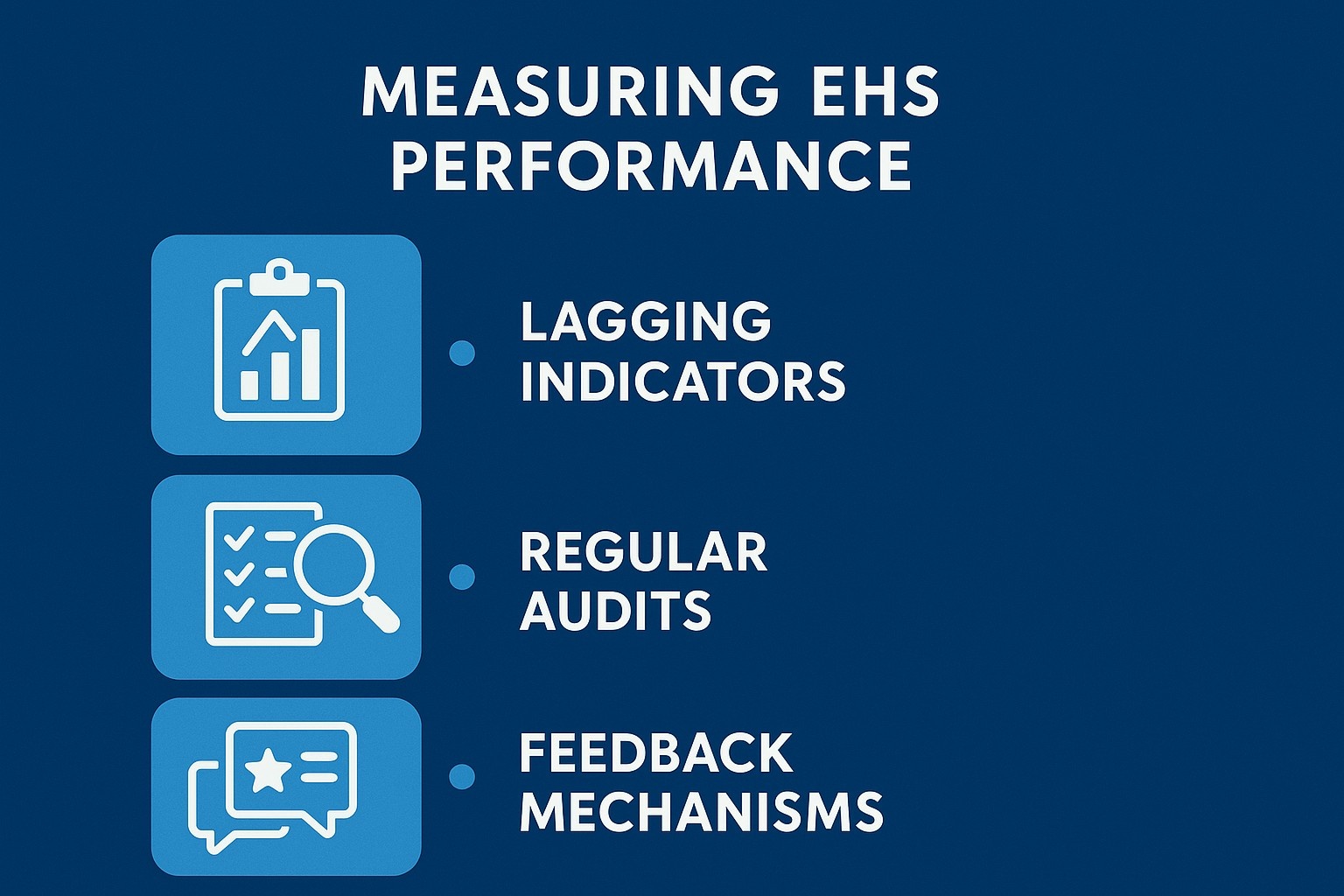
Leading and Lagging Indicators
Leading indicators, such as training completion rates, guide proactive efforts, while lagging indicators, like incident rates, measure outcomes. A balanced approach provides a comprehensive view of EHS performance.
- Leading Indicators: Metrics like training completion, safety meeting attendance, and hazard reporting rates drive proactive safety improvements.
- Lagging Indicators: Metrics such as incident frequency, injury rates, and environmental violations reflect past performance.
- Balanced Metrics: Combining both types ensures a holistic assessment of EHS effectiveness.
- Data Tracking: Regular monitoring of these indicators supports informed decision-making.
Regular Audits
Safety audits assess compliance and identify areas for improvement. These interactive reviews foster communication and support continuous improvement.
Feedback Mechanisms
Providing timely feedback to employees ensures that EHS processes remain relevant. Recognition of achievements reinforces positive behaviors and sustains engagement.
EHS Standards and Guidelines
EHS standards, set by regulatory bodies and international organizations, provide a framework for compliance and best practices.
Key Regulatory Frameworks
Standards such as OSHA’s CFR 29, ISO 14001 for environmental management, and ISO 45001 for occupational health and safety outline requirements for safe and sustainable operations. These frameworks guide businesses in meeting legal obligations.
Importance of Compliance
Adhering to standards reduces risks, ensures employee safety, and supports environmental goals. Regular audits and training align operations with these requirements.
Conclusion
EHS, encompassing Environment, Health, and Safety, is a critical framework for modern businesses aiming to operate responsibly and efficiently. By integrating risk management, regulatory compliance, and employee engagement, EHS programs safeguard workers, protect the environment, and enhance operational performance. Despite challenges such as cultural resistance and regulatory complexity, strategic implementation through leadership commitment, structured systems, and technology adoption can drive success. As businesses navigate an increasingly regulated and sustainability-focused landscape, a robust EHS strategy ensures compliance, fosters a culture of safety, and supports long-term operational integrity.
FAQ
What does EHS stand for in a business context?
EHS stands for Environment, Health, and Safety, referring to policies and systems that manage workplace safety, employee well-being, and environmental impact.
Why is EHS important for businesses?
EHS ensures regulatory compliance, reduces workplace incidents, minimizes environmental harm, and enhances organizational reputation.
What are the main components of an EHS program?
Key components include risk assessment, policy development, employee training, incident reporting, environmental stewardship, and emergency preparedness.
How does EHS contribute to cost savings?
EHS programs reduce costs by preventing accidents, lowering insurance premiums, avoiding legal penalties, and improving operational efficiency.
What role does technology play in EHS management?
EHS software streamlines compliance tracking, incident reporting, and data analysis, enhancing efficiency and decision-making.
How can organizations build an EHS culture?
A strong EHS culture is built through leadership commitment, employee engagement, regular training, and transparent communication.
What challenges do businesses face in EHS implementation?
Common challenges include cultural resistance, regulatory complexity, resource constraints, and maintaining consistent employee training.