An Environmental, Health, and Safety (EHS) program is a structured framework designed to manage risks, ensure regulatory compliance, and promote a safe and sustainable workplace. These programs integrate policies, procedures, and tools to protect employees, customers, and the environment from hazards associated with organizational operations. By addressing environmental impact, employee health, and workplace safety, EHS programs aim to prevent accidents, reduce environmental harm, and maintain compliance with legal standards.
This article provides a detailed examination of EHS programs, their components, implementation processes, and the role of EHS software in streamlining compliance and safety management. It draws on authoritative sources to deliver a clear, professional overview for organizations seeking to establish or enhance their EHS initiatives.
What Is an EHS Program?
An EHS program is a systematic set of policies, procedures, and practices aimed at identifying, assessing, and mitigating risks related to environmental, health, and safety concerns within an organization. It serves as a proactive framework to prevent workplace accidents, reduce environmental impact, and ensure compliance with regulatory standards. EHS programs are tailored to the specific needs of an organization, taking into account its industry, operational scope, and applicable regulations.
These programs encompass a range of activities, from conducting risk assessments to implementing safety protocols and providing employee training. The goal is to create a workplace where hazards are minimized, employees are protected, and environmental responsibilities are upheld. By fostering a culture of safety and compliance, EHS programs contribute to operational efficiency and organizational reputation.
Core Components of an EHS Program
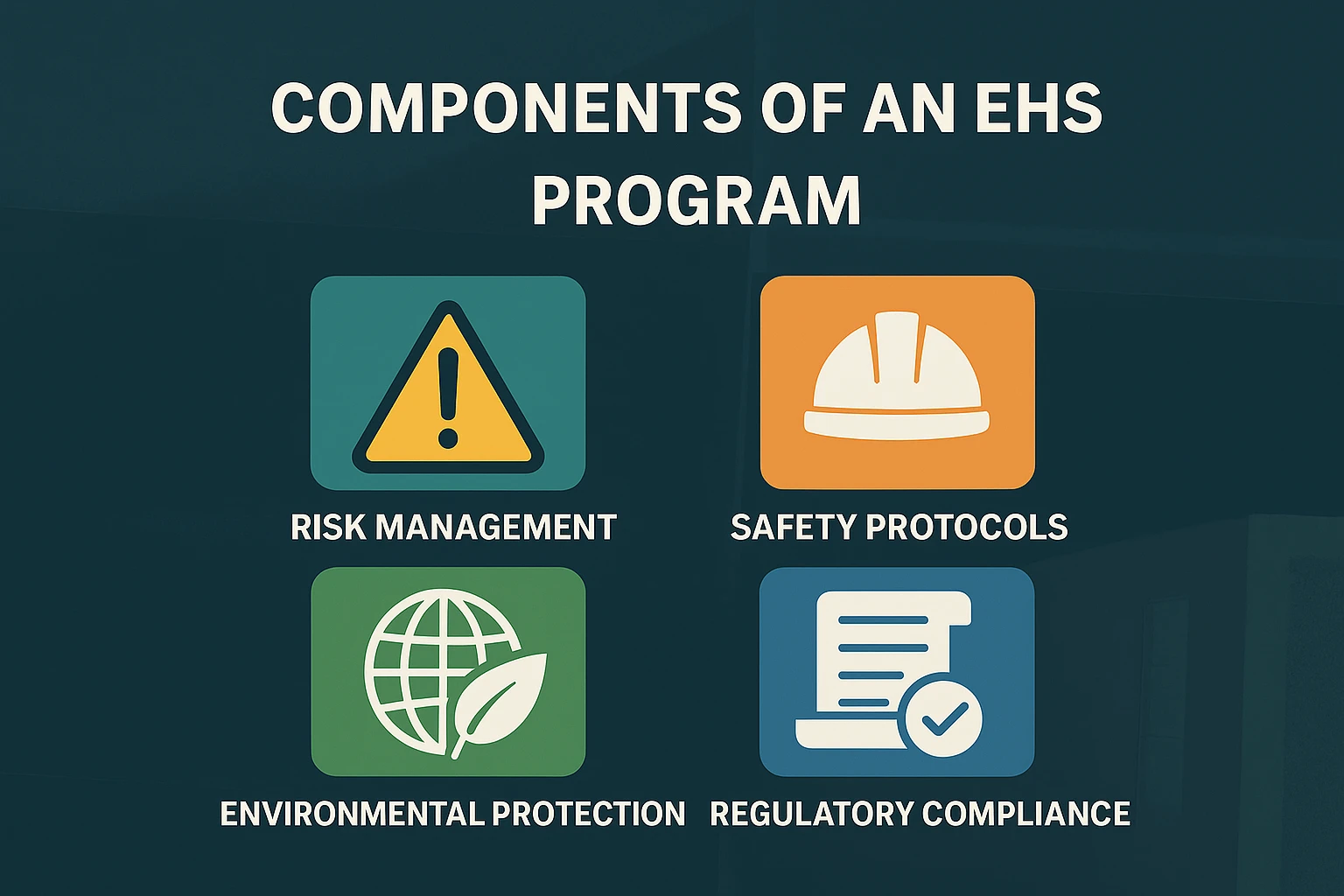
EHS programs are built on several interconnected components that address different aspects of workplace safety and environmental management. These components work together to create a comprehensive system for risk mitigation and compliance.
Risk Management
Risk management involves identifying, assessing, and controlling hazards that could harm employees or the environment. This process begins with a thorough analysis of workplace operations to pinpoint risks such as hazardous materials, unsafe equipment, or processes that could lead to accidents or pollution. Once identified, organizations develop strategies to mitigate these risks, such as implementing safety controls or modifying workflows.
Safety Protocols
Safety protocols are standardized procedures designed to prevent accidents and injuries. These include guidelines for operating machinery, handling hazardous substances, and responding to emergencies. Clear documentation and communication of these protocols ensure that employees understand and follow safe practices consistently.
Environmental Protection
Environmental protection focuses on minimizing the organization’s ecological footprint. This includes managing waste, controlling emissions, and ensuring proper handling of hazardous materials. Compliance with environmental regulations, such as those governing air and water quality, is a critical aspect of this component.
Regulatory Compliance
Adhering to legal standards is a cornerstone of EHS programs. Organizations must comply with regulations set by agencies such as the Occupational Safety and Health Administration (OSHA) in the United States or the International Organization for Standardization (ISO). Non-compliance can result in fines, legal penalties, or reputational damage.
Employee Training
Training equips employees with the knowledge and skills needed to recognize hazards and follow safety protocols. Regular training sessions cover topics such as proper equipment use, emergency response, and environmental awareness. Effective training programs ensure that employees are prepared to contribute to a safe workplace.
Emergency Preparedness
Emergency preparedness involves developing plans to address unforeseen events, such as fires, chemical spills, or natural disasters. These plans outline procedures for evacuation, incident response, and communication to minimize harm and ensure a coordinated response.
Auditing and Monitoring
Regular audits and inspections assess the effectiveness of EHS programs. These activities involve reviewing safety practices, checking compliance with regulations, and identifying areas for improvement. Monitoring tools, such as sensors or software, provide real-time data to support proactive decision-making.
How EHS Programs Function
EHS programs operate through a cyclical process of planning, implementation, monitoring, and improvement. This structured approach ensures that risks are managed proactively and that the program evolves with changing regulations and workplace conditions.
Identifying and Planning for Risks
The first step is to conduct a risk assessment, examining operations to identify potential hazards. This could include evaluating machinery, chemical usage, or environmental impacts. Based on this assessment, organizations set specific goals, such as reducing workplace injuries or minimizing waste, and develop actionable plans to achieve them.
Assigning Roles and Responsibilities
Effective EHS programs require clear assignment of responsibilities. Leadership designates individuals or teams to oversee specific aspects of the program, such as compliance monitoring or safety training. These roles ensure accountability and streamline the execution of EHS initiatives.
Implementing Safety Measures
Once plans are in place, organizations implement safety measures, such as installing protective equipment, upgrading ventilation systems, or enforcing strict handling procedures for hazardous materials. These measures are designed to address identified risks and create a safer work environment.
Monitoring and Reviewing Performance
Continuous monitoring is essential to evaluate the program’s effectiveness. Regular inspections, audits, and performance reviews assess whether safety goals are being met and identify areas for improvement. Data from these activities informs adjustments to policies or procedures.
Continuous Improvement
EHS programs are not static; they require ongoing refinement. When audits reveal gaps or new regulations emerge, organizations update their policies, training programs, or tools to maintain effectiveness. This iterative process ensures long-term compliance and safety.
Role of EHS Managers
EHS managers are responsible for overseeing the development and implementation of EHS programs. They conduct risk assessments, ensure regulatory compliance, and coordinate employee training. Their expertise in relevant regulations, such as OSHA or ISO standards, enables them to interpret and apply legal requirements effectively.
In addition to technical knowledge, EHS managers must possess strong communication and leadership skills. They collaborate with employees, management, and external stakeholders to promote a culture of safety and ensure that EHS initiatives align with organizational goals. Typically, EHS managers hold degrees in fields like environmental science or occupational health and may pursue certifications such as Certified Safety Professional (CSP).
Transition to EHS Software
As organizations scale or face increasingly complex regulations, manual EHS processes can become inefficient. EHS software provides a digital solution to streamline compliance, risk management, and data tracking, enhancing the overall effectiveness of EHS programs.
What Is EHS Software?
EHS software is a digital platform designed to manage environmental, health, and safety compliance. It centralizes data related to regulatory requirements, risk assessments, and safety incidents, enabling organizations to track performance and respond to issues in real time. These systems support compliance with standards like ISO 14001 and ISO 45001.
Key Features of EHS Software
EHS software includes several features that enhance program management:
- Task Tracking: Manages tasks and corrective actions related to compliance and safety, assigning responsibilities and deadlines.
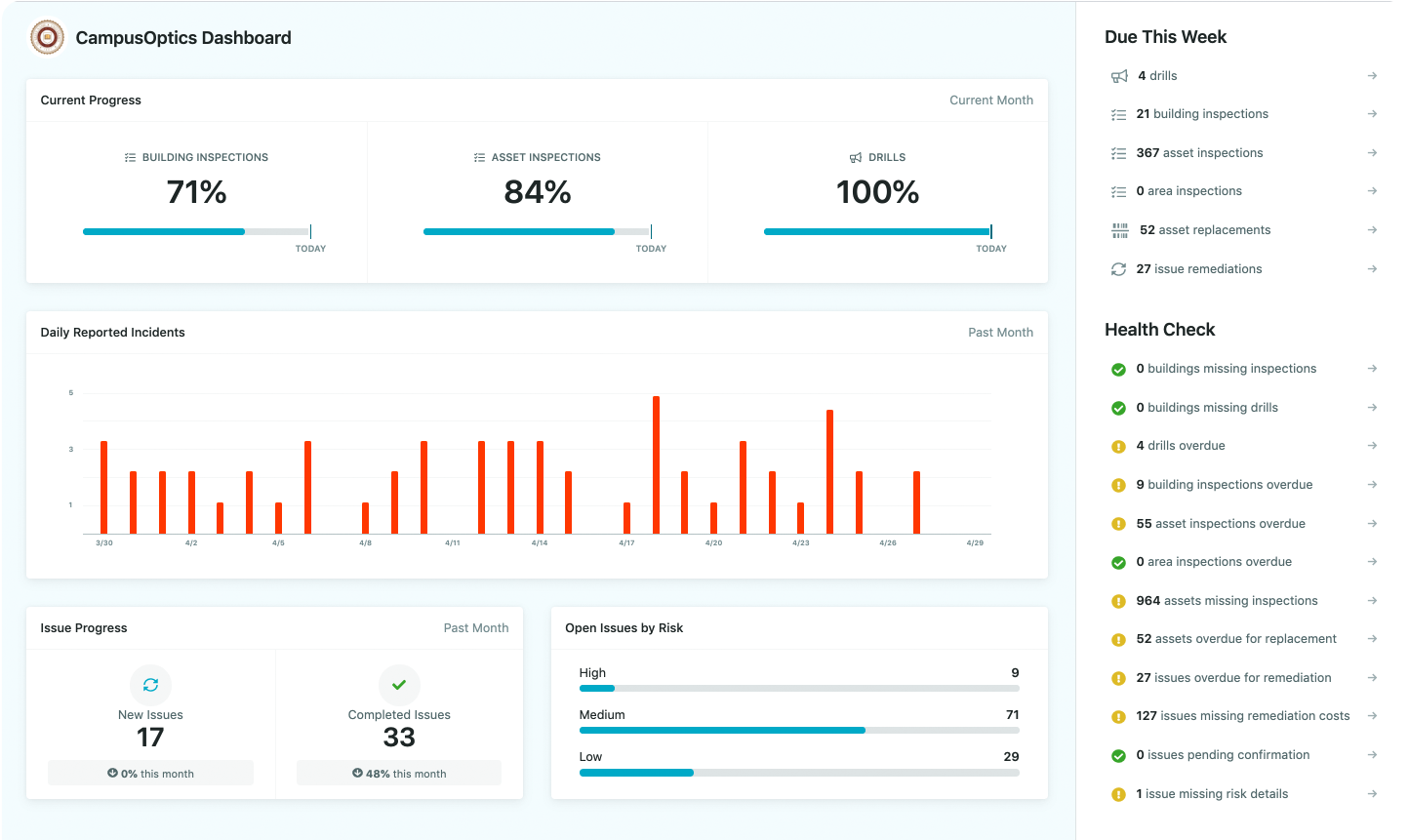
- Real-Time Analytics: Provides dashboards to visualize key performance indicators, such as incident rates or compliance status.
- Alerts and Notifications: Sends automated alerts to stakeholders when issues arise, enabling prompt responses.
- Document Management: Centralizes storage of policies, emergency plans, permits, and reports, ensuring easy access and organization.
Implementation of EHS Software
Implementing EHS software involves several steps. Organizations begin by selecting a platform that aligns with their needs, considering factors like scalability and integration capabilities. Next, they migrate existing data, such as safety records or compliance documents, to the platform. Employee training ensures that staff can use the software effectively. Finally, organizations establish protocols for regular updates and maintenance to keep the system aligned with evolving regulations.

Enhancing EHS Programs with CampusOptics
We designed CampusOptics as a specialized EH&S platform to strengthen EHS programs for higher education institutions, recognizing the unique demands of campus environments. Our solution integrates seamlessly into existing EHS frameworks, supporting critical functions like chemical inventory management, training, and compliance tracking. By enabling cross-functional access, we ensure that safety teams, risk managers, and fire safety professionals can collaborate effectively, accessing shared data without barriers. This unified approach enhances risk assessment and compliance efforts, helping institutions identify and address potential issues proactively.
Our platform is built for mobility, as we understand EH&S professionals are rarely at their desks. CampusOptics offers a mobile app for iOS and Android, allowing users to scan barcodes on chemical containers, capture photos during inspections, or log notes using talk-to-text functionality. We also provide visualization tools to map safety assets like AEDs across campus, transforming data into actionable insights. With a turn-key implementation process, we get institutions up and running quickly, and our ongoing support ensures the system adapts to evolving needs. CampusOptics not only supports the core components of an EHS program but also fosters a robust safety culture tailored to higher education.
Benefits of EHS Software in Program Management
EHS software enhances the efficiency and effectiveness of EHS programs by automating processes and providing actionable insights.
Streamlined Compliance
EHS software simplifies compliance by tracking regulatory requirements and generating reports to demonstrate adherence. This reduces the risk of penalties and ensures that organizations stay up-to-date with changing laws.
Enhanced Data Visibility
Real-time dashboards and analytics provide visibility into safety and compliance metrics. This allows organizations to identify trends, such as recurring incidents, and address them proactively.
Reduced Administrative Burden
By automating tasks like data entry and report generation, EHS software frees up time for EHS managers to focus on strategic initiatives, such as risk mitigation or employee training.
Improved Risk Management
EHS software enables organizations to log incidents, track corrective actions, and monitor risks in real time. This proactive approach helps prevent accidents and minimizes environmental impact.
Standardized Processes
Centralized platforms standardize EHS processes across departments or locations, ensuring consistency in safety practices and compliance efforts.
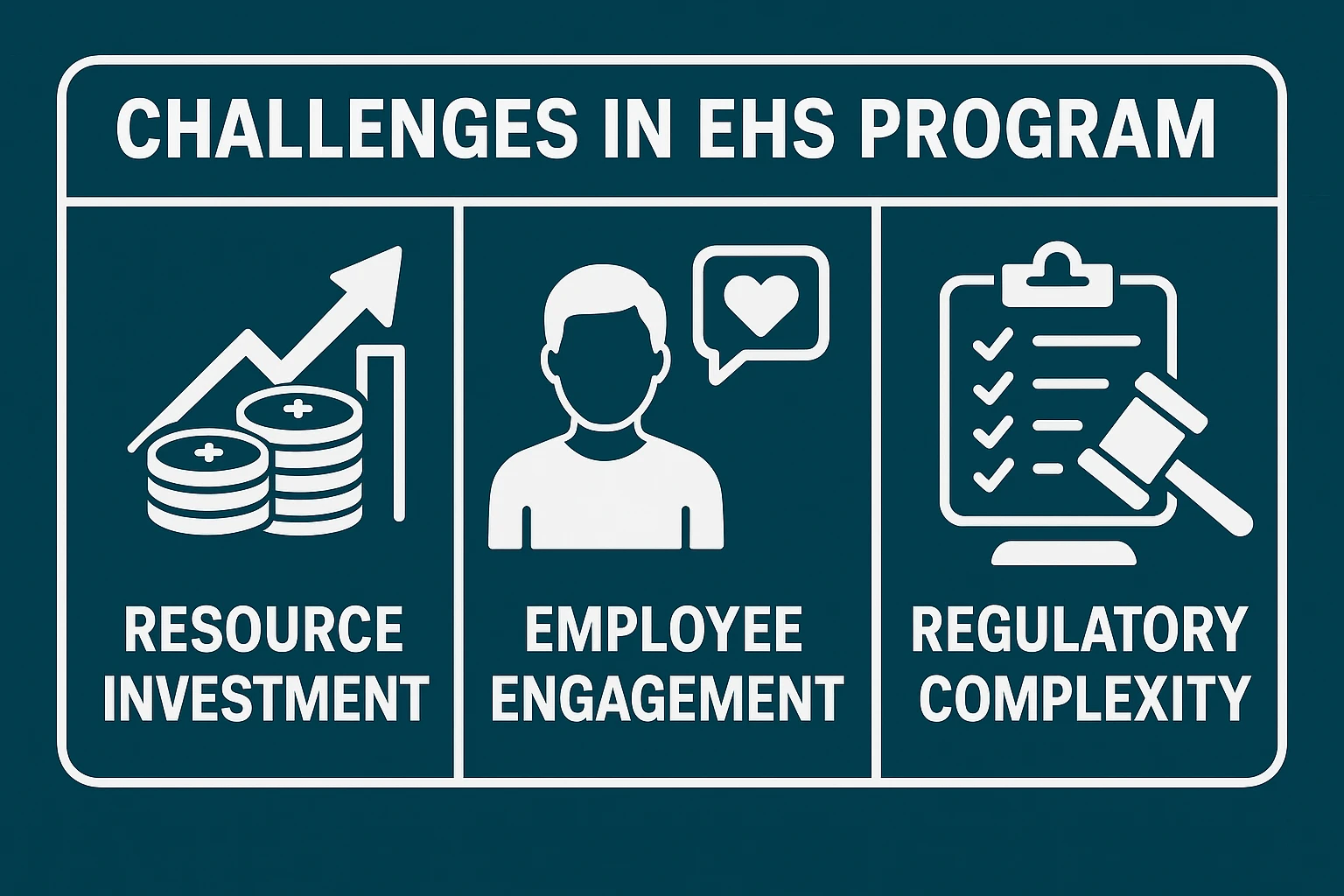
Challenges in EHS Program Implementation
Implementing an EHS program, with or without software, requires careful planning to avoid disruptions. Common challenges include:
- Resource Investment: Establishing an EHS program demands time, financial resources, and personnel.
- Employee Engagement: Ensuring that employees adopt safety protocols and participate in training can be difficult.
- Regulatory Complexity: Navigating varying local and international regulations requires expertise and ongoing monitoring.
To address these challenges, organizations should prioritize clear communication, allocate sufficient resources, and leverage technology to streamline processes.
Measuring the Success of an EHS Program
The success of an EHS program is measured through key performance indicators, such as reduced incident rates, improved compliance, and lower environmental impact. Regular audits and employee feedback provide insights into areas for improvement. EHS software can enhance measurement by providing data-driven insights and automating performance tracking.
Conclusion
EHS programs are essential for managing workplace safety, environmental impact, and regulatory compliance. By integrating risk management, safety protocols, and employee training, these programs create a proactive culture of safety. The adoption of EHS software further enhances efficiency by automating tasks, improving data visibility, and standardizing processes. Organizations that invest in robust EHS programs and supporting technology can achieve safer workplaces, ensure compliance, and promote sustainable operations.
FAQ
What is the primary goal of an EHS program?
The primary goal of an EHS program is to manage risks, ensure regulatory compliance, and promote a safe and sustainable workplace by addressing environmental, health, and safety concerns.
How does EHS software support compliance?
EHS software tracks regulatory requirements, generates compliance reports, and sends alerts for potential issues, helping organizations stay aligned with legal standards.
What qualifications are needed to become an EHS manager?
EHS managers typically need a degree in environmental science, occupational health, or a related field, along with certifications like Certified Safety Professional (CSP).
What are the main components of an EHS program?
Key components include risk management, safety protocols, environmental protection, regulatory compliance, employee training, emergency preparedness, and auditing.
How does EHS software reduce administrative tasks?
EHS software automates tasks like data entry, report generation, and task tracking, allowing EHS managers to focus on strategic initiatives.
What challenges might organizations face when implementing an EHS program?
Challenges include resource investment, employee engagement, and navigating complex regulations, which require careful planning and communication.
How can organizations measure the effectiveness of their EHS program?
Effectiveness is measured through reduced incident rates, improved compliance, and lower environmental impact, supported by audits and software analytics.