An Environmental Health and Safety (EHS) Coordinator is a professional responsible for overseeing workplace safety, health, and environmental compliance within an organization. This role ensures that operations align with regulatory standards while protecting employees and minimizing environmental impact. EHS Coordinators work across industries such as manufacturing, construction, energy, and more, addressing risks and fostering safe work environments. Their expertise lies in developing policies, conducting inspections, training employees, and managing incidents to maintain compliance and safety.
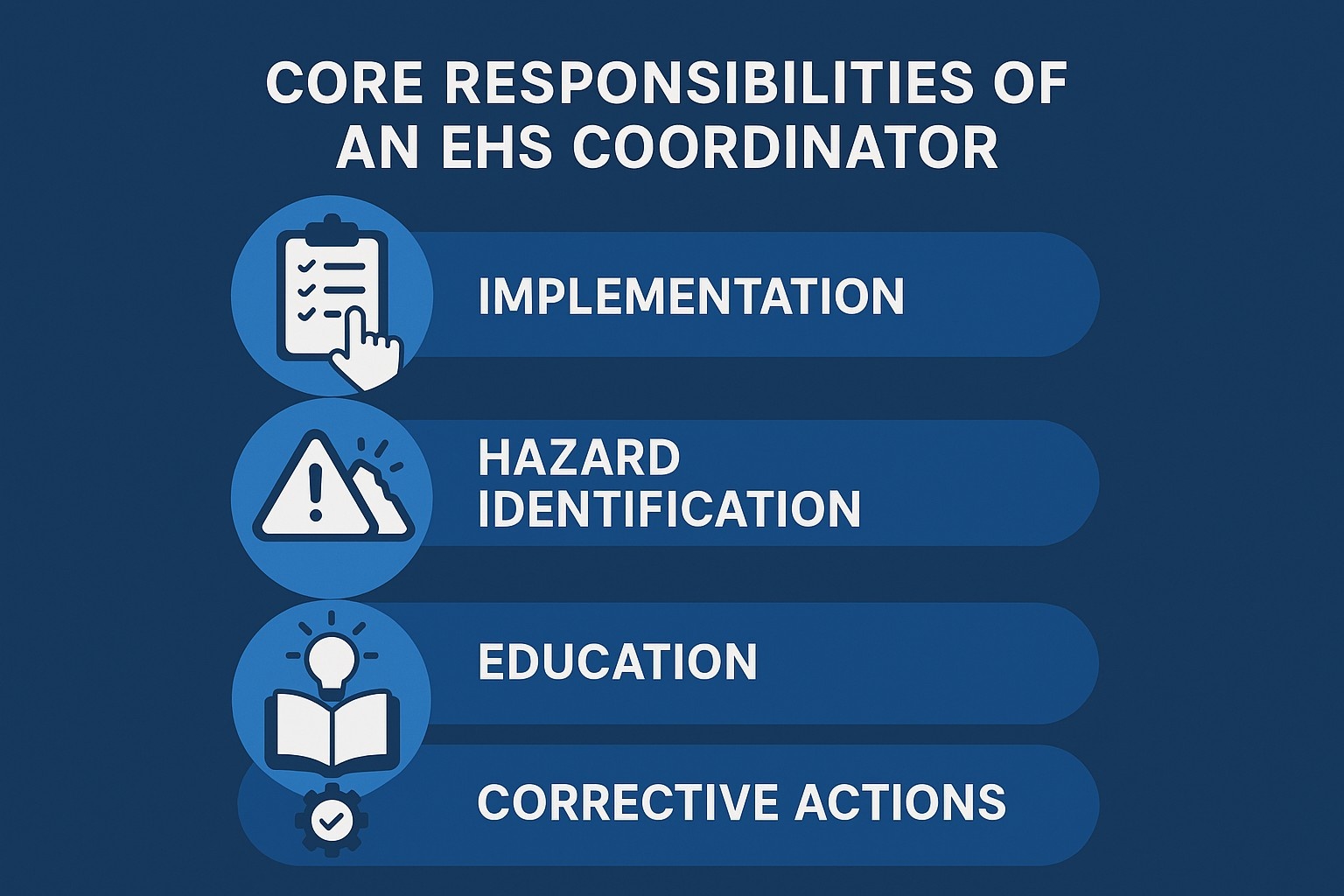
Core Responsibilities of an EHS Coordinator
The primary function of an EHS Coordinator is to ensure that an organization adheres to local, state, and federal regulations related to environmental protection, occupational health, and workplace safety. This multifaceted role encompasses a range of tasks that demand technical knowledge, analytical skills, and effective communication to maintain compliance and protect employees.
Policy Development and Implementation
EHS Coordinators are tasked with designing and enforcing policies that align with regulations, such as those established by the Occupational Safety and Health Administration (OSHA) or equivalent international bodies. These policies outline protocols for safe equipment operation, handling hazardous materials, and implementing environmental protection measures. Coordinators regularly review and update these procedures to reflect evolving regulatory standards or industry best practices. They work closely with management to integrate policies into operational workflows, ensuring that safety measures are practical and consistently applied across departments. This involves drafting detailed guidelines, conducting policy briefings, and monitoring adherence to maintain a compliant workplace.
Risk Assessments and Hazard Identification
Conducting regular risk assessments is a cornerstone of the EHS Coordinator’s role. They systematically evaluate equipment, processes, and work environments to identify hazards such as chemical exposures, ergonomic deficiencies, or unsafe machinery. Using tools like job safety analyses, coordinators assess risks and recommend corrective actions, such as modifying equipment setups or introducing new safety protocols. Their proactive approach involves analyzing workplace data to anticipate potential issues, ensuring that preventive measures are in place. This process requires keen attention to detail and the ability to translate findings into actionable strategies that enhance employee safety and reduce operational risks.
Employee Training and Education
Training is a critical responsibility, as EHS Coordinators develop and deliver programs to educate employees on safety protocols. These programs cover topics like workplace ergonomics, proper handling of hazardous materials, and emergency evacuation procedures. Coordinators tailor training to specific job roles, ensuring relevance and effectiveness. They may use interactive methods, such as hands-on demonstrations or digital modules, to engage employees and reinforce compliance. By fostering a culture of safety awareness, coordinators empower workers to recognize and mitigate risks, significantly reducing the likelihood of workplace incidents.
Incident Investigation and Corrective Actions
When accidents or near-misses occur, EHS Coordinators lead investigations to identify root causes. They gather evidence through interviews, site inspections, and protocol reviews to understand contributing factors. Detailed reports are prepared to document findings, which inform the development of corrective action plans. These plans may include revising safety procedures, enhancing training, or upgrading equipment. Coordinators also track the implementation of these measures to ensure effectiveness, using follow-up audits to verify that risks are mitigated and recurrence is prevented.
Compliance Monitoring and Documentation
Maintaining compliance requires rigorous record-keeping. EHS Coordinators document inspections, incidents, training activities, and corrective actions to ensure transparency and regulatory adherence. They manage safety data sheets (SDS) for chemicals, incident reports, and training logs, preparing reports for internal stakeholders or regulatory agencies. This documentation is critical during external audits, where coordinators must demonstrate compliance with legal standards. They often use software to organize records, streamline reporting, and ensure data accuracy, which is essential for maintaining accountability and avoiding penalties.
Environmental Impact Management
EHS Coordinators play a vital role in managing an organization’s environmental footprint. They oversee programs for hazardous waste management, ensuring proper collection, storage, and disposal in compliance with environmental regulations. Coordinators also monitor waste streams and promote sustainable practices, such as reducing waste generation or implementing recycling initiatives. They conduct environmental audits to assess compliance with laws and identify opportunities for improvement. By integrating sustainability into safety programs, coordinators help organizations meet regulatory requirements and align with broader environmental goals, contributing to both compliance and corporate responsibility.
Emergency Preparedness and Response
EHS Coordinators develop and implement emergency response plans to prepare for scenarios like chemical spills, fires, or natural disasters. They design evacuation procedures, coordinate drills, and train employees to respond effectively. Coordinators also oversee the maintenance and calibration of safety equipment, such as fire extinguishers or gas detectors, to ensure operational readiness. By simulating emergency scenarios, they verify that employees are familiar with protocols, enabling swift and coordinated responses to minimize harm and disruption.
How Software Supports EHS Coordinators
EHS Coordinators use specialized software to streamline workplace safety and compliance tasks. These tools enhance data organization, compliance tracking, and cross-departmental communication. Key support functions include:
- Data Management: Centralizes records for inspections, incidents, and safety data sheets, simplifying report generation.
- Risk Assessment: Logs hazards and monitors risks in real time for proactive safety measures.
- Training Tracking: Manages employee training schedules and tracks compliance with certifications.
- Incident Analysis: Documents investigations and analyzes patterns to prevent future incidents.
- Collaboration: Provides platforms for task assignment and policy updates, aligning safety goals.

CampusOptics: Supporting EHS Coordinators in Higher Education
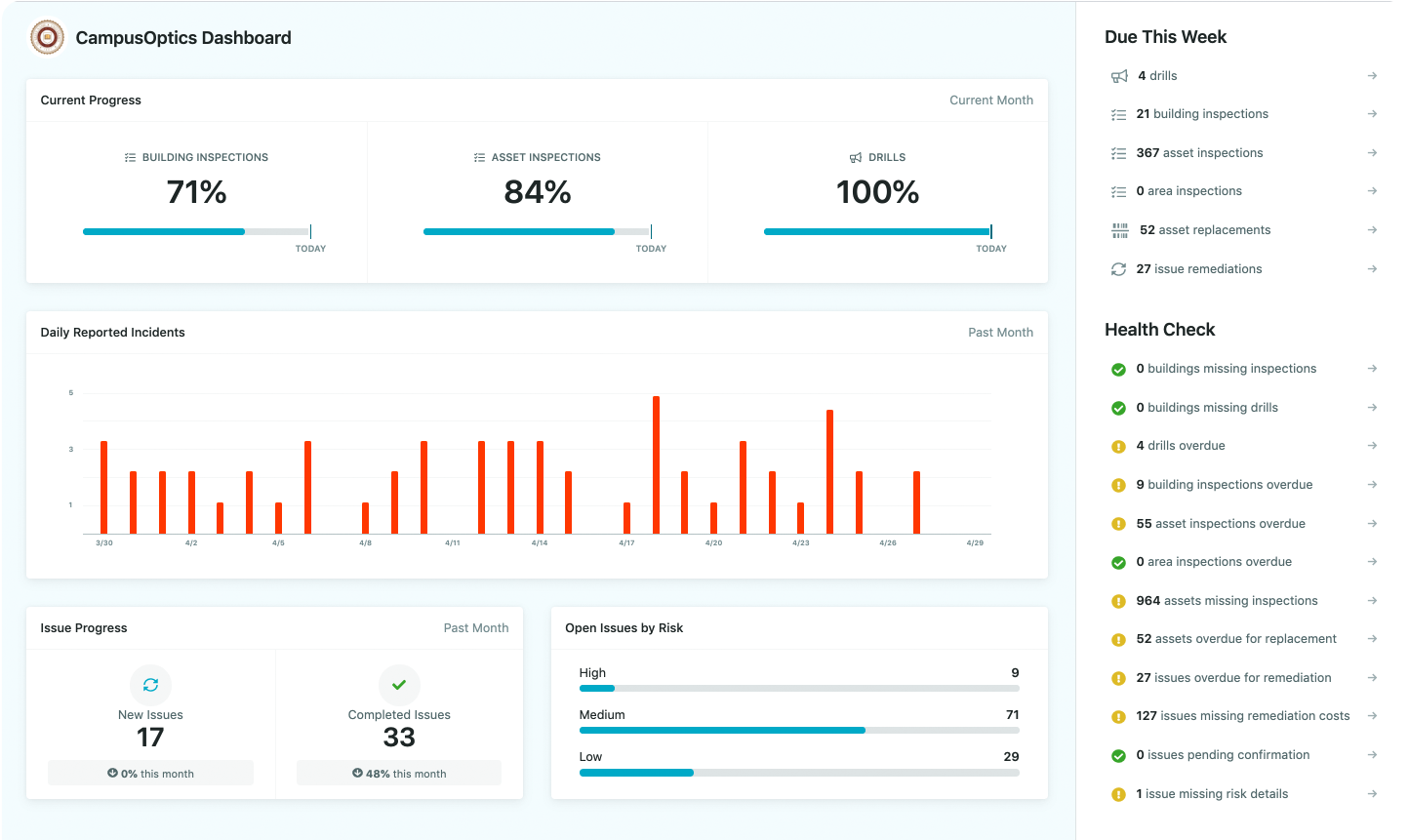
We at CampusOptics provide a tailored Environmental Health and Safety (EHS) platform designed for colleges and universities, empowering EHS Coordinators to manage complex safety responsibilities. Our solution streamlines tasks like chemical inventory tracking, safety inspections, and incident reporting, allowing coordinators to focus on fostering compliance and reducing risks across campus environments.
Our mobile app and cross-functional tools enhance the coordinator’s ability to conduct real-time inspections, access safety data sheets, and coordinate emergency plans, ensuring seamless collaboration with campus departments. By offering a centralized system for compliance tracking and risk management, we help EHS Coordinators maintain a safer, more transparent campus environment.
 Required Skills and Qualifications
The EHS Coordinator role demands a combination of technical expertise, analytical capabilities, and interpersonal skills. Professionals in this field must navigate complex regulations, assess risks, and communicate effectively across organizational levels.
Educational Background
Most EHS Coordinator positions require a bachelor’s degree in fields such as environmental science, occupational health and safety, safety management, or engineering. Coursework typically includes environmental law, industrial hygiene, risk management, and safety technology. Some roles accept candidates with associate degrees or high school diplomas if they have relevant experience or certifications. Advanced degrees, such as a master’s in environmental science, may enhance career prospects but are not always required.
Technical and Analytical Skills
- Regulatory Knowledge: Coordinators must have a deep understanding of regulations, such as OSHA standards or local environmental laws, to ensure compliance. Staying updated on regulatory changes is essential for maintaining organizational adherence.
- Risk Analysis: The ability to conduct job safety analyses and identify hazards is critical. Coordinators use analytical skills to assess risks and develop mitigation strategies.
- Auditing and Documentation: Thorough auditing and accurate record-keeping are necessary for compliance and reporting. Coordinators maintain detailed logs of inspections, incidents, and training activities.
Interpersonal and Coordination Skills
Effective communication is a cornerstone of the EHS Coordinator’s role. They must convey complex regulatory requirements in clear, accessible terms during employee training sessions and management briefings. Coordinators collaborate with departments like engineering or manufacturing to align safety objectives with operational needs, requiring strong interpersonal skills to foster cooperation. Project management abilities are equally critical, as coordinators oversee safety initiatives, track progress, and ensure timely implementation of policies. Problem-solving skills enable them to address safety concerns swiftly, developing practical solutions that balance compliance with operational efficiency. These skills ensure that safety protocols are integrated seamlessly into daily workflows.
Adaptability and Continuous Learning
The dynamic nature of the EHS field requires coordinators to adapt to evolving regulations, technologies, and industry practices. They must stay informed about updates to environmental and safety laws, often through professional networks, webinars, or industry publications. This continuous learning enables coordinators to revise policies and training programs to reflect current standards. Adaptability is also crucial when responding to new workplace challenges, such as integrating advanced safety technologies or addressing emerging environmental concerns. By cultivating a mindset of ongoing improvement, coordinators ensure that their organizations remain compliant and proactive in maintaining safe work environments.
Certifications
Professional certifications enhance credibility and job prospects. Common certifications include:
- Certified Safety Professional (CSP)
- Occupational Health and Safety Technologist (OHST)
- Certified Industrial Hygienist (CIH)
- Certified Hazardous Materials Manager (CHMM)
These credentials demonstrate expertise in safety practices, regulatory compliance, or hazardous materials management, particularly in high-risk industries like oil and gas or nuclear energy.
Work Environment and Industry Applications
EHS Coordinators operate in dynamic environments that blend office-based tasks with fieldwork. Their work settings vary depending on the industry, which may include manufacturing plants, construction sites, energy facilities, or corporate offices. The role often involves regular hours, but flexibility is required for emergencies, inspections, or training sessions outside standard schedules.
In industries like oil and gas, coordinators manage risks associated with hazardous materials and heavy machinery. In renewable energy sectors, such as wind or nuclear, they focus on safety during construction or maintenance and radioprotection measures. Regardless of the sector, the core focus remains on compliance, risk reduction, and employee safety.
Coordinators frequently interact with departments like engineering, manufacturing, or maintenance to align safety objectives with operational goals. They use standard office tools for reporting and specialized safety equipment during inspections. The role requires resilience, as addressing incidents and ensuring compliance can be demanding, but it also offers opportunities for professional growth due to evolving regulations.
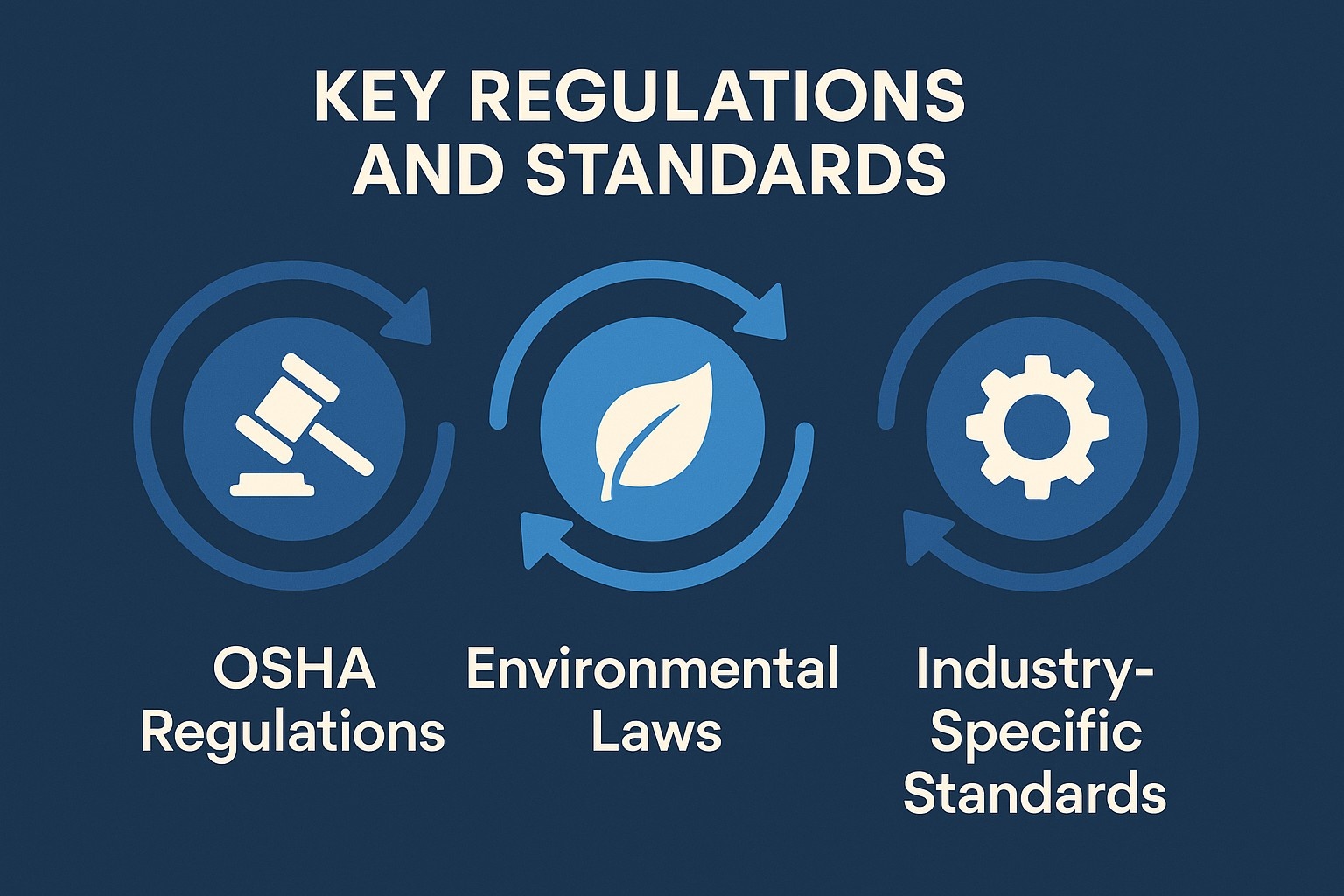
Key Regulations and Standards
EHS Coordinators must be well-versed in a range of regulations and standards that govern workplace safety and environmental protection. These include:
- OSHA Regulations: Federal standards that outline safety requirements for workplaces, including hazard communication and personal protective equipment.
- Environmental Laws: Regulations governing waste management, emissions, and environmental impact assessments.
- Industry-Specific Standards: Standards like ISO 14000 for environmental management or sector-specific radioprotection guidelines in nuclear energy.
Coordinators must interpret these regulations and translate them into actionable policies tailored to their organization’s needs.
Career Path and Advancement Opportunities
The EHS Coordinator role serves as a foundation for a career in environmental, health, and safety management. Professionals can advance to senior positions such as EHS Manager or Director, where they oversee broader safety programs and lead larger teams. Specialization in areas like industrial hygiene, environmental management, or occupational health can lead to niche roles within corporations or consulting firms.
Another advancement path involves transitioning into corporate sustainability roles, focusing on eco-friendly practices and environmental regulations. To progress, coordinators should gain experience in developing safety policies, demonstrating leadership, and reducing workplace hazards. Continuous learning through certifications or advanced degrees can further enhance career prospects.
Conclusion
The role of an Environmental Health and Safety (EHS) Coordinator is a critical component of modern organizational operations, ensuring compliance with regulations while safeguarding employee well-being and environmental integrity. By developing policies, conducting risk assessments, training staff, and managing incidents, coordinators play a pivotal role in maintaining safe and compliant workplaces. The position requires a blend of technical expertise, analytical skills, and effective communication, making it both challenging and rewarding. With steady demand across industries and opportunities for career advancement, the EHS Coordinator role offers a stable and impactful career path for professionals committed to safety and sustainability.
FAQ
What qualifications are needed to become an EHS Coordinator?
A bachelor’s degree in environmental science, occupational health, safety management, or a related field is typically required. Certifications like CSP or OHST and relevant experience in safety roles can enhance job prospects.
What industries employ EHS Coordinators?
EHS Coordinators work in industries such as manufacturing, construction, oil and gas, renewable energy (e.g., wind or nuclear), and corporate settings, ensuring compliance and safety.
What is the primary role of an EHS Coordinator?
The primary role is to ensure workplace safety and environmental compliance by developing policies, conducting risk assessments, training employees, and investigating incidents.
Are certifications necessary for an EHS Coordinator?
Certifications like CSP, CIH, or CHMM are not always mandatory but are highly valued, as they demonstrate expertise and improve job prospects.
What skills are essential for an EHS Coordinator?
Key skills include regulatory knowledge, risk analysis, auditing, documentation, communication, and project management to effectively manage safety programs.
How long does it take to become an EHS Coordinator?
The path typically takes five to seven years, including a four-year bachelor’s degree and one to three years of experience in safety-related roles.
What is the career progression for an EHS Coordinator?
Coordinators can advance to roles like EHS Manager, Director, or specialize in areas like industrial hygiene, environmental management, or corporate sustainability.