If you’ve ever walked through a factory floor, research lab, or construction site and wondered who makes sure everything runs safely, that’s where an EHS manager comes in. These professionals sit at the crossroads of science, safety, and leadership. They keep people safe, ensure the company stays compliant, and help protect the planet in the process.
Becoming an EHS manager isn’t something that happens overnight. It’s a career built through education, experience, and a real commitment to prevention and responsibility. In this guide, we’ll walk through what it takes to get there – the degrees that help, the skills that matter, and what it’s really like once you step into the role.
Understanding the Role
An Environmental Health and Safety (EHS) manager is the person who makes sure workplaces stay safe, sustainable, and compliant with regulations. It’s a role that blends science, management, and people skills. EHS managers design and oversee safety programs, reduce environmental risks, and make sure operations follow local and international laws.
They’re often the ones behind the scenes making decisions that keep employees safe and protect the environment. It’s not just about compliance; it’s about building a culture where safety is second nature. Whether they’re working in a factory, a university lab, or a large corporate campus, EHS managers act as the link between everyday operations and long-term sustainability goals.
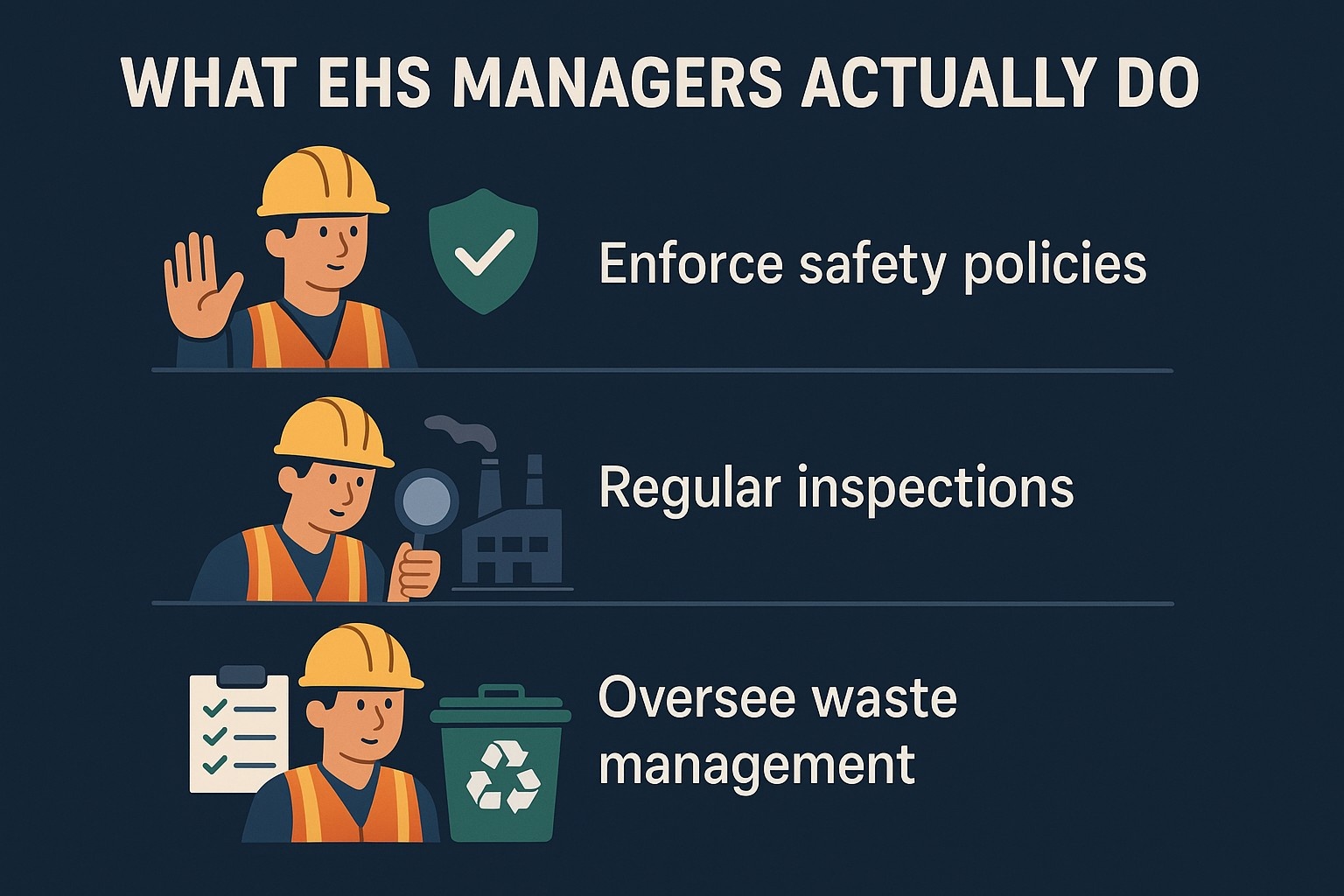
What EHS Managers Actually Do
It’s easy to assume this job is mostly about paperwork or inspections, but there’s much more to it. EHS managers handle a wide mix of tasks that require both technical knowledge and leadership. Their day might involve reviewing safety reports, leading training sessions, or coordinating with government regulators.
Here are some of the core responsibilities:
- Develop and enforce safety policies that meet legal requirements and reflect company values.
- Conduct regular inspections and risk assessments to identify hazards and prevent incidents.
- Oversee waste management and environmental compliance related to chemicals, emissions, and recycling.
- Investigate accidents or safety concerns and implement corrective measures.
- Lead training sessions on workplace safety, emergency response, and sustainability initiatives.
- Collaborate across departments to ensure safety standards are followed company-wide.
Essentially, they make sure people can do their jobs without getting hurt and that operations don’t harm the environment.
Why EHS Management Matters
EHS isn’t a “nice to have” function; it’s essential for every organization. Beyond meeting legal obligations, a strong EHS program helps companies save money by preventing accidents, avoiding fines, and improving efficiency.
More importantly, it improves trust and morale. Employees who feel safe are more productive and engaged. For organizations, having a dedicated EHS manager means less downtime, better compliance reporting, and a stronger reputation for responsibility.
There’s also a growing link between EHS and sustainability. Today’s managers are not only protecting workers but also driving initiatives to reduce energy use, manage waste responsibly, and meet ESG (Environmental, Social, and Governance) standards.

Using Technology to Make Safety Work Smarter
When we talk about building a career in EHS, it’s not just about degrees or certifications. The real work happens in how you manage systems, people, and data every day. That’s where tools like CampusOptics can make a difference.
At CampusOptics, we’ve seen how complex campus and institutional safety can get. Our platform was built specifically for higher education, but the idea applies everywhere: simplify what’s overwhelming. We help EHS professionals manage chemical inventories, track inspections, report incidents, and visualize assets across entire campuses from a single dashboard. Whether you’re logging a safety issue on your phone or planning emergency drills, everything lives in one connected system.
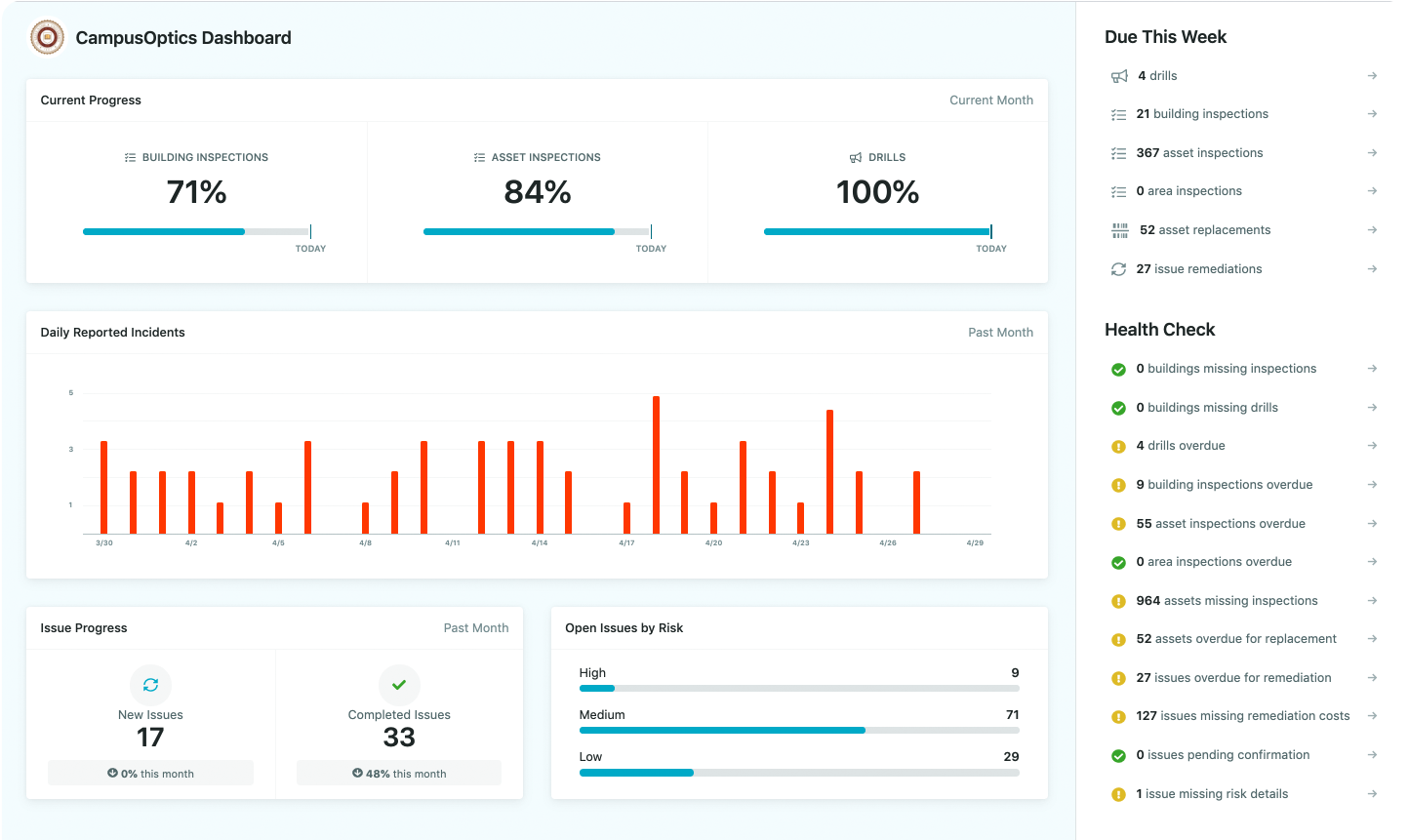
Here’s what professionals often use CampusOptics for:
- Managing chemical inventories and Safety Data Sheets in one place
- Tracking inspections and maintenance tasks across multiple buildings
- Logging incidents and routing them automatically for remediation
- Accessing emergency plans and safety documents on mobile devices
- Visualizing safety assets and risks using interactive campus maps
We believe technology should make safety easier, not harder. That’s why CampusOptics is mobile-friendly, integrates with existing workflows, and supports collaboration across departments. For someone entering the EHS field, learning to work with platforms like ours can be a real advantage. It shows you understand how digital systems can reduce risk, improve compliance, and strengthen safety culture.
If you’re preparing for an EHS role in education or large organizations, it’s worth exploring tools like CampusOptics early on. They help you see the big picture, how all the moving parts of safety management fit together, and that insight can set you apart in your career.
Education You’ll Need
Most EHS managers start with a bachelor’s degree. The exact field can vary, but strong options include:
- Environmental Science
- Occupational Health and Safety
- Engineering (chemical, industrial, or environmental)
- Biology or Chemistry
- Public Health
Some universities even offer dedicated degrees in Environmental Health and Safety or Occupational Safety Management.
If your degree is in another area, don’t worry. Many professionals move into this field by pairing a related science or engineering background with EHS certifications or work experience.
Graduate education, such as a master’s in Environmental Management or Occupational Health and Safety, can help you qualify for senior positions or specialized roles.
Getting Certified
Certifications show employers that you’re serious about your expertise and stay current with evolving regulations. Popular EHS certifications include:
- Certified Safety Professional (CSP) from the Board of Certified Safety Professionals (BCSP)
- Associate Safety Professional (ASP)
- Certified Industrial Hygienist (CIH)
- Certified Environmental Professional (CEP)
- National Environmental Health Association (NEHA) credentials
Many professionals start with foundational certifications and later pursue advanced ones. Earning a certification often requires a mix of education, work experience, and passing an exam, but it’s worth it. Certified professionals typically earn higher salaries and have more career flexibility.
Building Experience
No degree or certification replaces hands-on experience. Most employers expect candidates for EHS management roles to have at least three to five years of related work, and that experience can come from many places. You might start in an internship or an entry-level safety role such as a coordinator or compliance assistant, where you’ll get firsthand exposure to inspections, risk assessments, and workplace audits. Others come from quality assurance or operations, handling documentation, safety procedures, and regulatory processes that overlap with EHS work. Some build their foundation through specialized industry training in areas like chemical handling, industrial hygiene, or emergency response, applying theory directly to real-world problems.
Early in your career, the best thing you can do is observe how safety systems actually function. Watch how professionals respond to incidents, how audits are performed, and how communication flows when pressure builds. Those small lessons teach you how safety programs operate day to day and how leadership shapes a culture of accountability.
It’s also worth focusing on soft skills that make a real difference later on, learning to earn trust, communicate clearly, and explain compliance rules in a way that helps rather than hinders. EHS management is ultimately about people, not just policies, and developing that balance of authority and empathy early will set you apart.
The more you immerse yourself in real safety environments, whether it’s a manufacturing plant, university lab, or construction site, the deeper your understanding becomes. That practical experience is what turns classroom knowledge into confident, informed decision-making as an EHS manager.
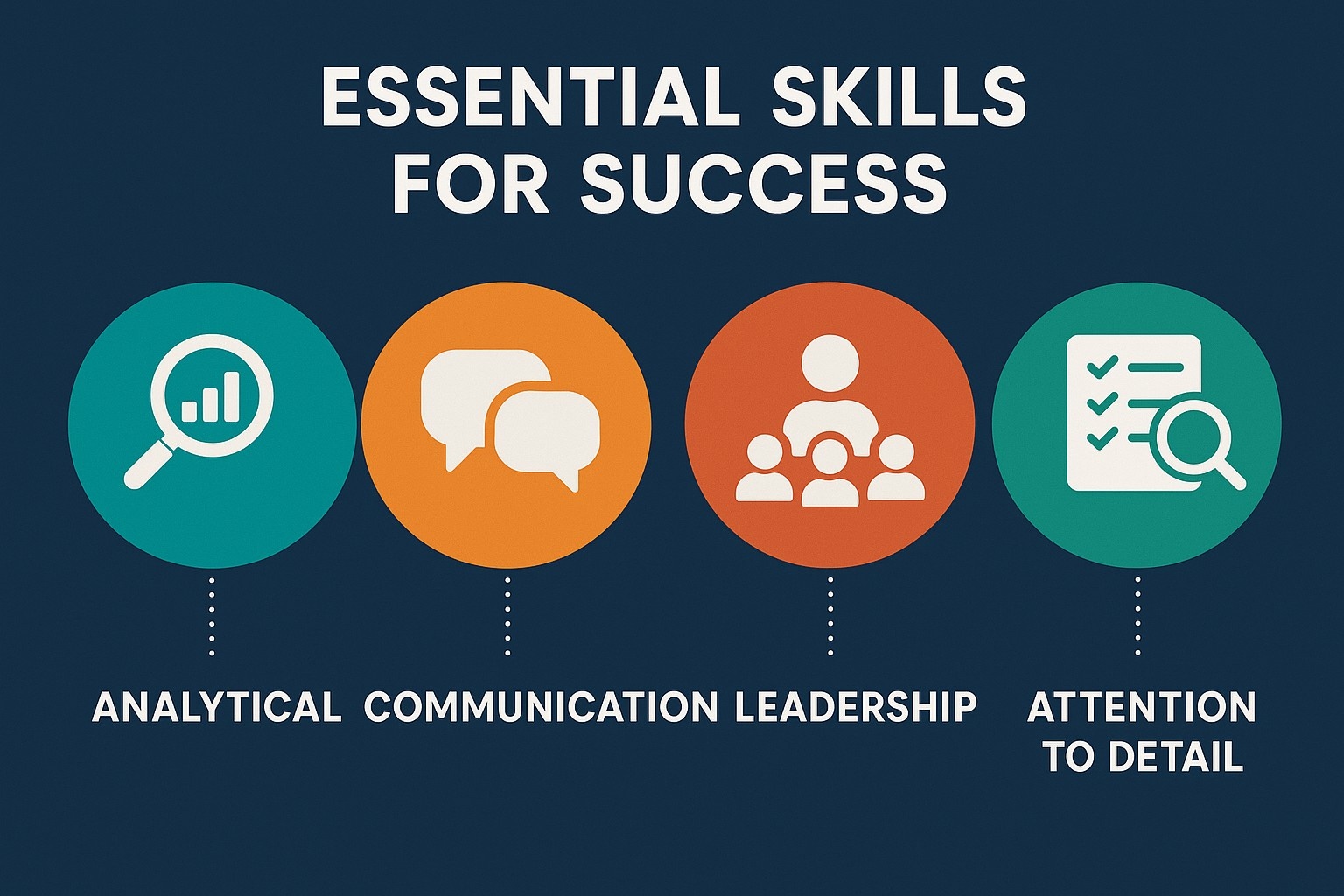
Essential Skills for Success
The best EHS managers combine technical know-how with strong communication and leadership. You can’t just understand the rules; you have to help others follow them willingly.
Key skills include:
- Analytical thinking: You’ll often assess risks, interpret data, and recommend solutions.
- Communication: Explaining safety protocols clearly to all levels of staff is vital.
- Leadership: Building trust and motivating teams to take safety seriously.
- Attention to detail: Small errors in safety procedures can have major consequences.
- Problem-solving: Quick, calm decision-making in emergencies or high-pressure situations.
- Adaptability: Laws, technology, and environmental standards are constantly changing.
Strong EHS managers are approachable. They don’t just hand out policies; they listen, educate, and adapt those policies to the realities of the workplace.
Typical Career Path
The journey to becoming an EHS manager often starts with technical or assistant roles and gradually expands into leadership positions as your knowledge, confidence, and communication skills grow. It’s a career that rewards consistency, curiosity, and the ability to connect people with purpose.
EHS Technician or Coordinator
This is where most professionals begin. You handle day-to-day safety tasks like inspections, hazard reporting, and maintaining compliance records. It’s a hands-on role that helps you understand how safety programs work on the ground. You’ll likely assist with training sessions, audits, and data collection, building the practical habits that form a strong foundation for your future career.
EHS Specialist or Analyst
At this stage, you start to take ownership of specific programs. You might design safety initiatives, lead audits, analyze data trends, or create new policies that improve compliance. Specialists often become the go-to experts for particular topic, such as chemical safety, ergonomics, or waste management, and work closely with management to improve existing systems.
EHS Manager
Once you step into management, your focus shifts from individual tasks to broader oversight. You supervise teams, coordinate across departments, and ensure that safety, environmental, and health programs align with company goals. This role involves both leadership and diplomacy, you’re balancing regulatory demands with operational realities and helping others understand why safety comes first.
Senior EHS Manager or Director
This level introduces a strategic element. You oversee compliance across multiple sites, set long-term goals, and often serve as a bridge between corporate leadership and on-the-ground operations. Directors also mentor younger professionals, lead investigations into complex incidents, and manage relationships with external regulators.
Vice President of Safety or Sustainability
At the executive level, the role becomes part of the company’s overall direction. You integrate EHS strategies with ESG (Environmental, Social, and Governance) initiatives and broader risk management goals. The focus shifts toward shaping company culture, influencing policy, and ensuring that sustainability and safety remain central to business growth.
Every stage builds on the last. You learn the science of safety, the language of compliance, and the art of leading people through change. The higher you go, the more your success depends on communication, empathy, and vision, not just technical expertise. It’s a path where experience truly compounds, and every step teaches you how to protect people, the planet, and the organization’s future.
Salary and Job Outlook
EHS management is one of the few careers that blends purpose and stability. According to data from the U.S. Bureau of Labor Statistics and various EHS organizations:
- Average salary: Around $70,000 to $120,000 per year, depending on experience and location.
- Entry-level: Often starts between $55,000 and $65,000.
- Senior managers: Can earn well over $120,000 annually, especially in manufacturing, energy, and technology sectors.
- Job growth: Expected to increase by about 12 percent in the coming years, which is consistent with national averages.
As more companies adopt sustainability goals and stricter compliance standards, demand for qualified EHS managers continues to rise.
Challenges in the Role
EHS management is deeply rewarding, but it’s not simple. You’re constantly balancing business goals, budgets, and regulations while keeping people safe. Here are some of the most common challenges professionals face:
- Convincing leadership to invest in prevention: It can be hard to get buy-in for training or safety improvements when the benefits aren’t immediately visible. Strong managers learn to present safety as an investment that protects both people and the bottom line.
- Keeping up with changing regulations: Laws and standards evolve quickly, especially for organizations working across multiple regions. Staying compliant means keeping an eye on updates, revising processes, and training teams regularly.
- Managing human behavior: Rules alone don’t keep people safe, habits do. Managers often face complacency or resistance to change, so success depends on building trust and fostering a culture where safety feels natural.
- Responding under pressure: When emergencies happen, quick and confident decision-making matters. EHS managers must stay calm, coordinate clearly, and learn from every incident to strengthen future response.
Despite the challenges, most EHS professionals find the work incredibly meaningful. Every improvement, every avoided accident, is proof that their efforts genuinely protect lives and the environment.
The Bigger Picture
At its heart, EHS management is about care, care for people, the planet, and the long-term success of an organization. It’s one of those rare careers where technical skills meet genuine impact.
You’re not just ticking boxes for compliance. You’re designing safer workplaces, mentoring others, and leading change that lasts.
If you’re someone who values responsibility, precision, and purpose, this career path can be incredibly rewarding. It demands focus, yes, but it also gives you the chance to make a measurable difference every day.
Frequently Asked Questions
What does an EHS manager actually do?
An EHS manager oversees all programs related to workplace safety, environmental protection, and health compliance. They create policies, train employees, inspect facilities, and ensure that operations meet legal and safety standards.
What degree do I need to become an EHS manager?
Most EHS managers have at least a bachelor’s degree in environmental science, occupational health, safety engineering, or a related field. Some pursue a master’s degree to qualify for higher-level or specialized roles.
Do I need certifications to work in EHS?
While not always required, certifications like the Certified Safety Professional (CSP) or Certified Industrial Hygienist (CIH) can significantly boost your credibility and earning potential. Many employers prefer certified candidates because it shows proven expertise.
How much experience is required for an EHS manager role?
Employers typically look for three to five years of relevant experience. This can include internships, safety technician roles, or work in quality assurance, manufacturing, or compliance-related departments.
What industries hire EHS managers?
EHS professionals work across manufacturing, construction, healthcare, education, research, government, and energy sectors. Any organization that handles people, equipment, or environmental processes needs safety oversight.
How much do EHS managers earn?
Salaries vary by experience and industry, but most EHS managers in the U.S. earn between $70,000 and $120,000 annually. Senior or multi-site managers can make more, especially in manufacturing or energy sectors.