EHS management software is a technology platform that streamlines the oversight of environmental, health, and safety processes within an organization. It integrates various workflows, such as incident reporting, risk assessments, compliance tracking, and employee training, into a single, accessible system. The primary purpose of EHS software is to simplify the management of regulatory requirements, reduce workplace incidents, and promote a culture of safety and accountability.
The software addresses the challenges of manual processes, which are often error-prone and time-consuming. By centralizing data and automating tasks, it enables organizations to monitor performance metrics, respond to incidents in real time, and maintain compliance with local, national, and international regulations, such as those set by the Occupational Safety and Health Administration (OSHA) or the Environmental Protection Agency (EPA).
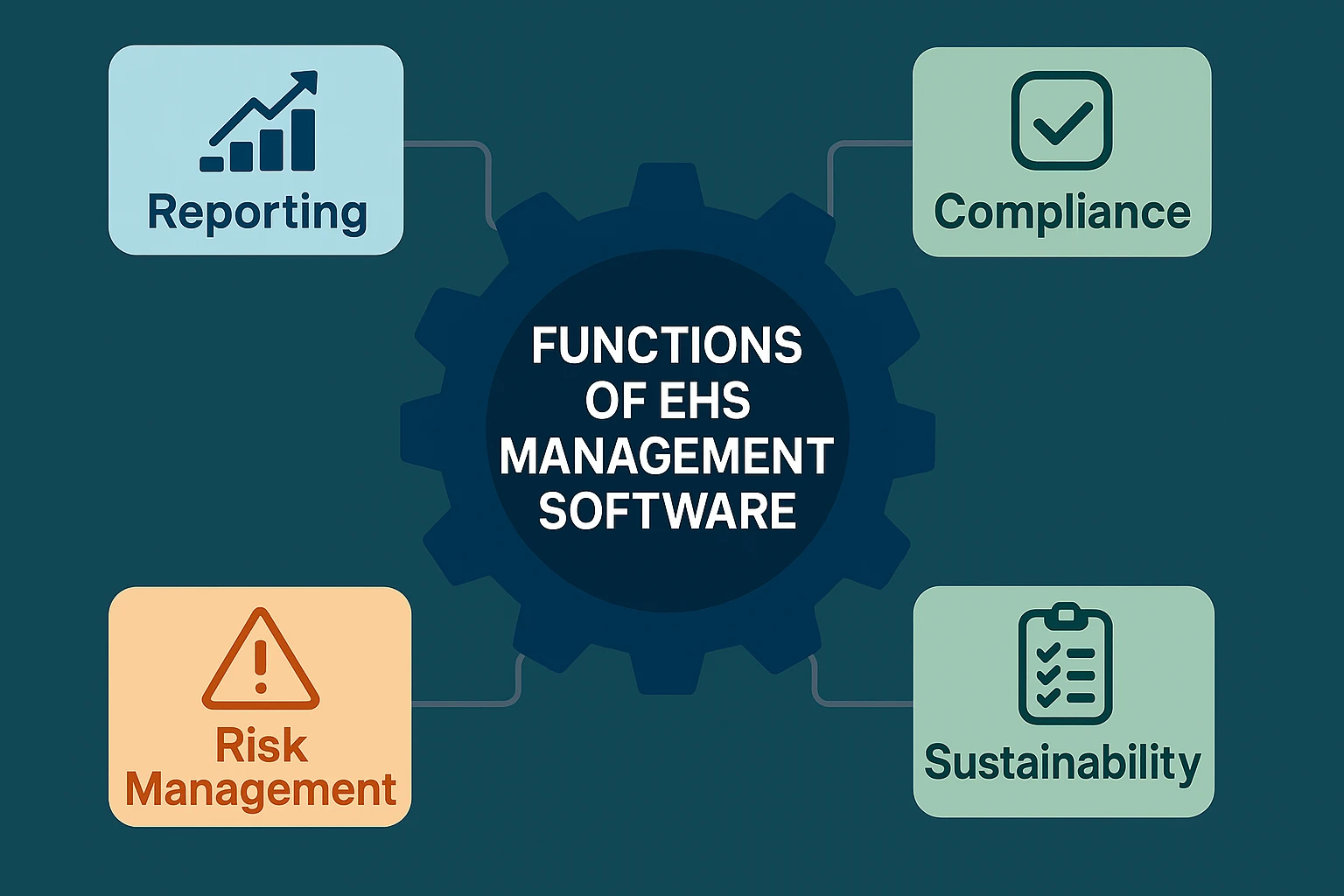
Core Functions of EHS Management Software
EHS management software encompasses a range of functionalities designed to address the multifaceted aspects of workplace safety and environmental stewardship. These core functions ensure that organizations can manage risks, comply with regulations, and improve operational efficiency. By integrating data and automating processes, the software enhances decision-making and supports a proactive approach to safety.
Incident Management and Reporting
EHS software provides tools for capturing and analyzing workplace incidents, including injuries, near misses, and environmental events. It enables real-time logging, facilitates root cause analysis, and supports corrective actions. Automated reporting capabilities generate standardized reports for internal stakeholders and regulatory bodies, ensuring transparency and traceability across all incident-related processes.
Compliance and Regulatory Management
Maintaining compliance with evolving regulations is a critical challenge. EHS software simplifies this by offering compliance calendars, automated alerts for deadlines, and audit trails to document adherence. It supports reporting for agencies like OSHA and the EPA, ensuring organizations remain aligned with legal requirements and stay audit-ready with minimal effort.
Risk Management
Proactive risk management is a cornerstone of EHS software. The platform enables organizations to identify hazards, conduct risk assessments using frameworks like Hazard Identification and Risk Assessment (HIRA), and implement mitigation strategies. Predictive analytics tools anticipate high-risk activities, allowing organizations to address potential issues before they escalate, reducing incident likelihood.
Audit and Inspection Management
EHS software streamlines audits and inspections by replacing manual checklists with digital tools. It offers customizable templates, mobile access for field inspections, and real-time status updates. Consolidated dashboards provide visibility into compliance status, enabling organizations to track audit outcomes, address deficiencies promptly, and maintain consistent oversight of safety protocols.
Sustainability and ESG Monitoring
Environmental, Social, and Governance (ESG) considerations are increasingly vital. EHS software supports sustainability by tracking metrics like carbon emissions, energy consumption, and waste management. It monitors environmental incidents and reports progress toward sustainability goals, aligning with corporate responsibility objectives and helping organizations meet stakeholder expectations for environmental stewardship.
Training and Employee Engagement
Employee engagement is critical for a safety-focused culture. EHS software includes modules for managing training programs, tracking certifications, and delivering e-learning content. Tools for hazard reporting and feedback foster collaboration and accountability. By empowering employees with accessible resources, the software strengthens organizational commitment to safety and compliance.

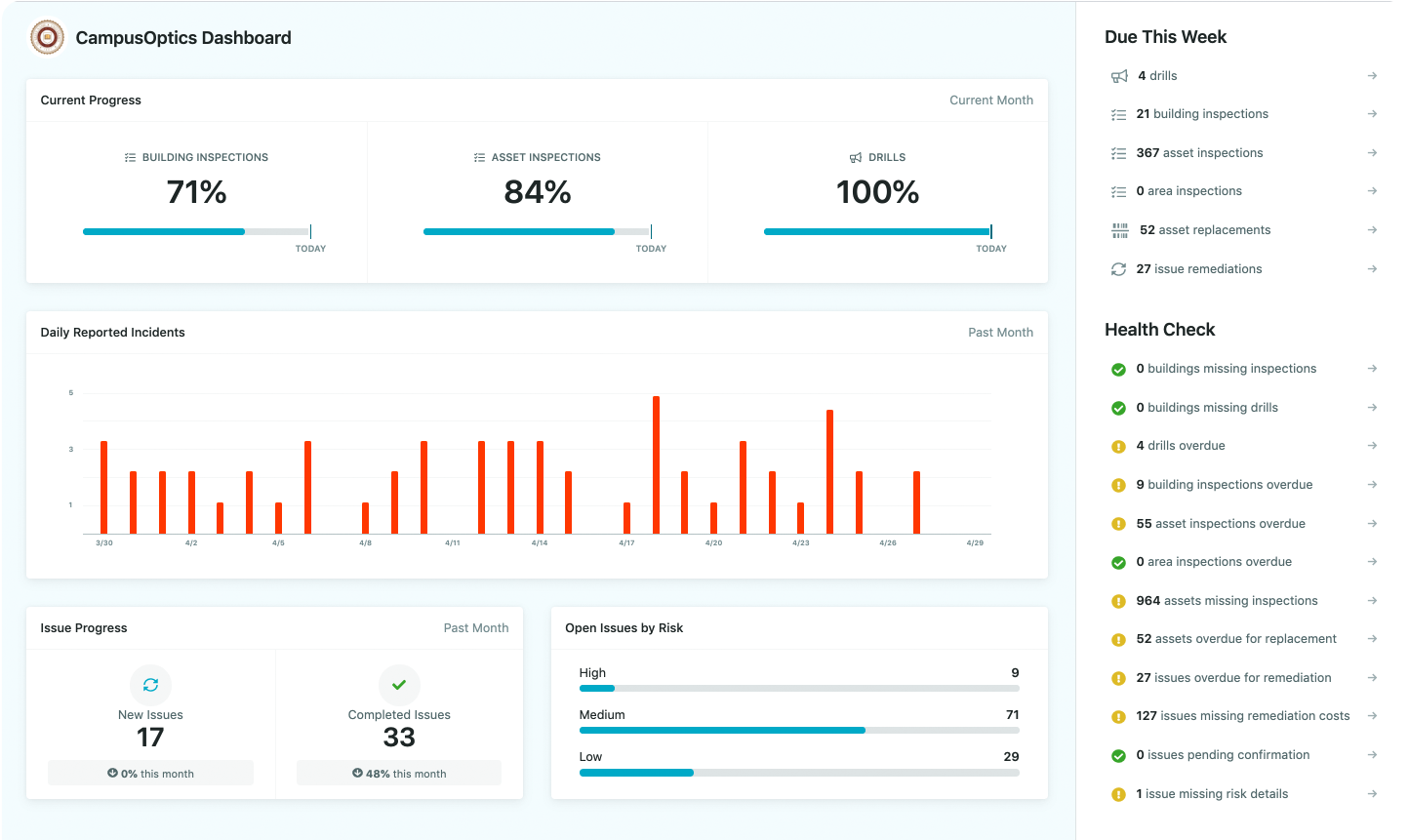
CampusOptics: Our EHS Management Solution for Higher Education
We at CampusOptics understand the unique complexities of managing environmental, health, and safety processes across dynamic college campuses, where labs, lecture halls, and student life create a web of safety challenges. Our EHS management software, crafted specifically for higher education, delivers a cross-functional platform to streamline collaboration, minimize institutional risks, and foster a robust safety culture. With support for unlimited users, highly configurable permissions, and seamless SSO authentication integration, we ensure that EH&S, risk management, fire safety, and emergency planning teams have secure, tailored access to critical data whenever needed.
Our mobile app, available for both iOS and Android, empowers safety professionals to manage tasks on the move, whether tracking chemical inventories, logging incident reports, or reviewing emergency plans. Features like barcode scanning for quick access to container details, talk-to-text for efficient note-taking during inspections, and in-app photo uploads simplify workflows in real time. We also provide campus-wide visualization tools, mapping safety assets, chemical locations, and incidents through automated data imports or mobile GPS logging. This delivers a clear, actionable overview, enabling institutions to stay compliant, address risks proactively, and prioritize safety across the board.
Pillars of EHS Management
Effective EHS management is built on a set of strategic principles that guide organizations in creating a robust framework for safety and compliance. These pillars represent the overarching goals that EHS software supports, ensuring that organizations prioritize employee well-being, environmental responsibility, and regulatory adherence.
Regulatory Adherence
Meeting regulatory standards is a core objective of EHS management. This involves aligning with laws and guidelines, such as those from OSHA or the EPA, to avoid penalties and maintain operational integrity. EHS software supports this by providing tools to track and document compliance efforts systematically.
Proactive Hazard Mitigation
Preventing incidents before they occur is a key focus of EHS management. This requires a proactive approach to identifying and addressing potential hazards, prioritizing risks based on their severity, and implementing controls to minimize their impact. EHS software enables this through structured risk assessment processes.
Incident Analysis and Prevention
Analyzing incidents to understand their causes and prevent recurrence is essential for continuous improvement. EHS management emphasizes learning from past events to strengthen safety protocols. Software tools centralize incident data, enabling organizations to identify trends and implement effective corrective measures.
Workforce Education
A well-informed workforce is critical to maintaining a safe workplace. EHS management prioritizes providing employees with the knowledge and skills needed to recognize hazards and follow safety procedures. Software platforms streamline this process by delivering accessible training and tracking employee progress.
Environmental Responsibility
Reducing environmental impact is a growing priority for organizations. EHS management incorporates sustainability goals, such as minimizing emissions and managing waste, to align with corporate responsibility objectives. Software tools track these metrics to support measurable progress.
Organizational Collaboration
Fostering a culture of safety requires collaboration across all levels of an organization. EHS management encourages stakeholder involvement, from employees reporting hazards to leadership setting safety priorities. Software facilitates this by enabling communication and feedback through integrated tools.

Benefits of EHS Management Software
Implementing EHS software delivers measurable value to organizations by improving compliance, enhancing safety, and optimizing operations. Below are the key benefits:
- Centralized Data Management: Stores all EHS-related data, such as incident reports and compliance documents, in a single, accessible platform, reducing data silos and improving traceability.
- Improved Compliance: Automates regulatory tracking and reporting, ensuring alignment with standards and minimizing the risk of penalties.
- Enhanced Risk Mitigation: Provides tools for proactive hazard identification and risk assessment, preventing incidents before they occur.
- Operational Efficiency: Replaces manual processes with automated workflows, reducing errors and administrative overhead.
- Data-Driven Insights: Offers analytics and reporting tools to monitor performance, identify trends, and support strategic decision-making.
- Real-Time Monitoring: Enables instant access to safety data and alerts, facilitating rapid response to potential issues.
- Employee Safety and Engagement: Supports training programs and hazard reporting, fostering a culture of safety and accountability.
Role of EHS Professionals
EHS professionals are responsible for overseeing the implementation of safety and environmental programs. They use EHS software to streamline data collection, monitor performance, and ensure compliance with regulations. Their responsibilities include identifying hazards, developing risk mitigation strategies, and promoting a culture of safety within the organization.
Required Skills and Qualifications
EHS professionals require a deep understanding of regulatory frameworks, risk management principles, and safety practices. Proficiency in EHS software is essential for managing data and generating insights. Strong communication and leadership skills are also critical for coordinating programs and engaging stakeholders. Relevant certifications, such as those from OSHA or ISO, enhance their expertise and credibility.
Structure and Framework of EHS Management Software
EHS management software is designed with a modular structure to address the diverse needs of organizations. These modules cover incident reporting, risk assessments, compliance tracking, audits, and training management. The software typically features a user-friendly interface, customizable workflows, and integration capabilities with systems like Enterprise Resource Planning (ERP) or Computerized Maintenance Management Systems (CMMS).
Cloud-based deployment ensures accessibility across devices, allowing employees to log incidents, access training, or conduct inspections from remote locations. Scalability is a key feature, enabling the software to adapt to the needs of both small businesses and large enterprises. Automated workflows reduce administrative burdens, while analytics tools provide insights for data-driven decision-making.
EHS Software in Action: Practical Applications
EHS software demonstrates its value in real-world scenarios, particularly in processes like risk assessments. The platform guides users through identifying hazards, evaluating risks, and implementing safeguards, generating standardized reports without requiring multiple systems. Mobile access allows managers to conduct assessments on-site using tablets or smartphones, ensuring flexibility and efficiency.
The software also supports related processes, such as hazardous materials management, safety permit tracking, and internal audits. By presenting complex data in a clear format, it ensures that key personnel are informed and involved in safety decisions. For example, dashboards highlight urgent issues, enabling executives to prioritize resources effectively.
EHS Compliance and Regulatory Standards
EHS compliance involves adhering to regulations set by bodies like OSHA, the EPA, and the Department of Transportation (DOT). These regulations, including the Clean Air Act and Resource Conservation and Recovery Act, aim to protect employees and the environment. EHS software supports compliance by tracking permits, inspections, and incidents, ensuring that organizations meet their legal obligations.
Key Regulatory Bodies
- OSHA: Sets workplace safety standards and conducts inspections to ensure compliance.
- EPA: Oversees environmental regulations, such as emissions and waste management.
- DOT: Regulates the transportation of hazardous materials to ensure safety.
Cost-Benefit Analysis of EHS Software
Investing in EHS software requires evaluating its long-term value against implementation costs. The software reduces expenses by automating tasks, minimizing errors, and preventing costly incidents. Improved compliance reduces the risk of fines, while enhanced efficiency optimizes resource allocation. The ability to track and analyze data supports strategic planning, ensuring that investments in safety yield measurable returns.
Best Practices for Implementing EHS Software
Effective implementation of EHS software requires adherence to best practices to maximize its impact. These include:
- User Training: Provide comprehensive training to ensure employees can use the platform effectively.
- Regular Updates: Keep the software updated to address new regulations and features.
- Data Security: Implement robust security measures to protect sensitive EHS data.
- Customizable Reporting: Use tailored reports to address specific organizational needs.
- Stakeholder Involvement: Engage employees and management in the implementation process to ensure buy-in.
Wrapping It Up
EHS management software is a game-changer for keeping workplaces safe, compliant, and environmentally responsible. It takes the chaos out of manual processes, gives you tools to stay proactive, and helps build a culture where safety comes first. Whether you’re a small business or a sprawling campus, its flexibility and insights make it a must-have. In a world where safety and sustainability are under the spotlight, this software’s your ticket to staying ahead of the curve.
FAQ
What is EHS management software?
EHS management software is a digital platform that automates and centralizes environmental, health, and safety processes, including incident reporting, compliance tracking, and risk management.
How does EHS software improve workplace safety?
It provides tools for real-time incident logging, risk assessments, and training management, enabling organizations to identify hazards and implement preventive measures.
What industries benefit from EHS software?
Industries such as manufacturing, construction, healthcare, oil and gas, and government agencies use EHS software to manage safety and compliance.
Can EHS software integrate with other systems?
Yes, most EHS software platforms integrate with systems like ERP and CMMS to ensure seamless data flow and unified workflows.
How does EHS software support compliance?
It automates regulatory tracking, generates compliance reports, and provides audit trails to ensure adherence to standards like OSHA and EPA regulations.
Is EHS software suitable for small businesses?
Yes, scalable EHS software solutions are designed to meet the needs of both small businesses and large enterprises, with customizable features and workflows.
What are the key features to look for in EHS software?
Look for incident management, compliance tracking, risk assessment tools, mobile access, customizable reporting, and integration capabilities.