Most people never think about who keeps their workplace safe until something goes wrong. The Environmental Health and Safety department, or EHS for short, is the team working behind the scenes to make sure it doesn’t. They handle everything from accident prevention and fire safety to environmental compliance and emergency response. In simple terms, EHS teams make sure employees, visitors, and even the surrounding community can work, study, or operate in a safe and healthy space. It’s not the flashiest job, but it’s one of the most essential ones in any organization.
What Does EHS Actually Mean?
EHS stands for Environmental Health and Safety. It’s a simple acronym, but it covers a lot of ground. Each part plays a different role, yet they’re all connected.
- Environmental: deals with how an institution interacts with the world around it. That includes things like managing waste, controlling pollution, cutting down on energy use, and making sure operations are sustainable.
- Health: is about taking care of people – making sure employees aren’t exposed to harmful materials, helping prevent illness, and supporting both physical and mental wellbeing.
- Safety: focuses on preventing accidents and injuries so that everyone can go home in the same shape they arrived.
When you put all of this together, EHS becomes a system that helps organizations manage risks, stay compliant with laws, and build a culture where safety and responsibility are just part of how things are done.
The Purpose of an EHS Department
The main job of an EHS department is to protect people and the environment while keeping everything running smoothly. It sounds straightforward, but it’s a big task that touches almost every corner of an organization.
EHS teams write safety policies, monitor air and water quality, track chemical use, handle waste management, and make sure training and drills actually happen – not just on paper. They also inspect equipment, review incident reports, and work closely with other departments to make sure projects follow both legal and ethical standards.
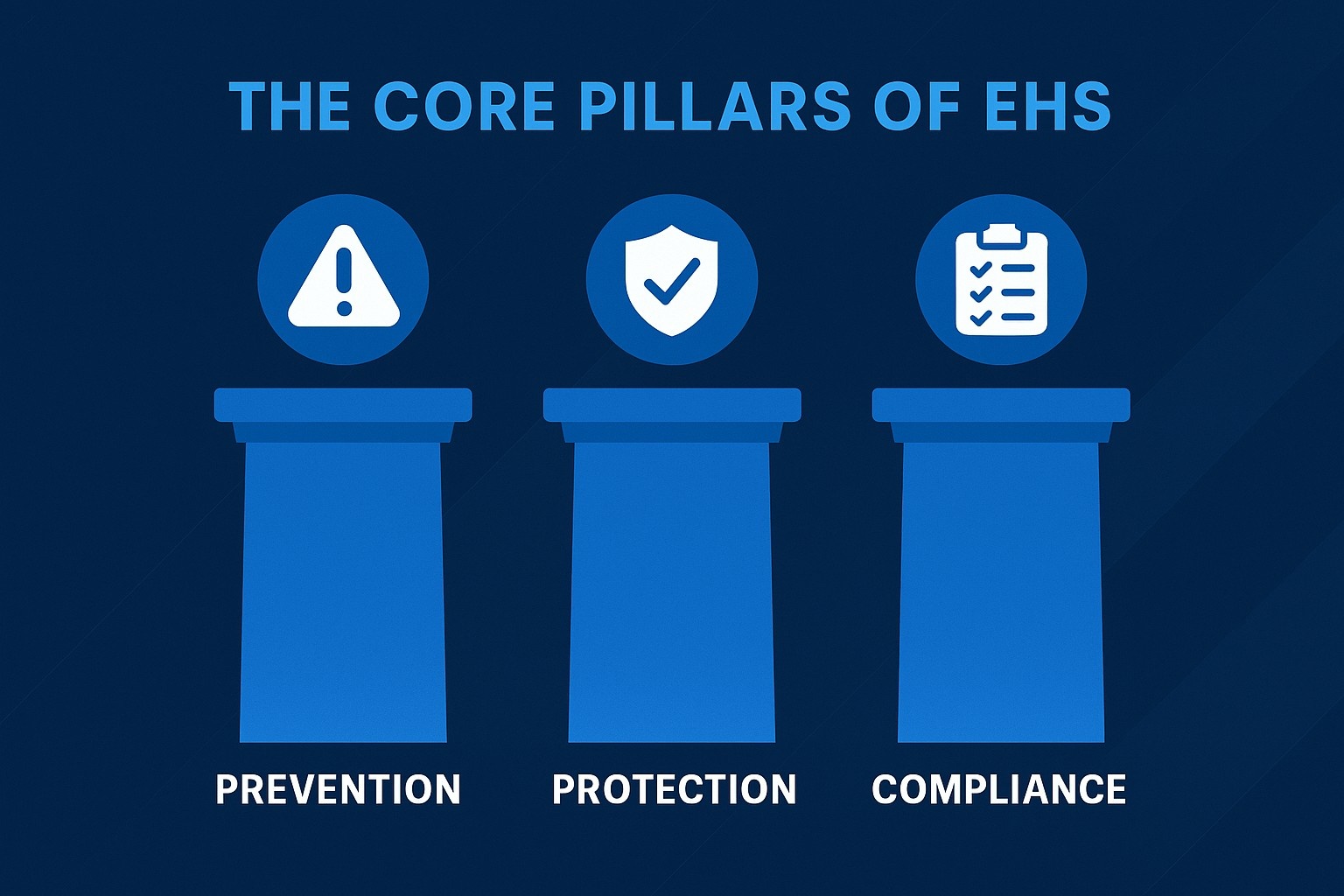
The Core Pillars of EHS
At the heart of it all, EHS work revolves around three main ideas:
- Prevention: Spotting risks and fixing them before they cause harm.
- Protection: Keeping workers, communities, and the environment safe from accidents or hazards.
- Compliance: Making sure the organization follows all safety and environmental laws, whether local or global.
When these three pillars line up, everything else falls into place – fewer accidents, more efficient operations, and a stronger sense of trust inside and outside the company.
Why EHS Matters So Much
A good EHS program says a lot about what a company values. It’s not just about checking boxes or avoiding fines. It’s about doing the right thing, every day.
- People stay healthier and happier when they feel safe at work.
- The organization leaves a smaller footprint on the environment.
- Operations run more smoothly because there are fewer interruptions.
- The company earns more trust from customers, partners, and investors.
It’s not flashy work, but it’s the kind that keeps everything else standing. In many ways, EHS is the quiet foundation of any responsible organization.
How EHS Departments Support Business Goals
People sometimes think of EHS departments as rule enforcers – the ones who make sure everyone wears their helmets and fills out the right forms. But that’s only a small part of what they do. In reality, EHS plays a huge role in helping businesses grow and stay strong over time.
EHS as a Strategic Advantage
When EHS is done well, it’s not a cost center – it’s an advantage. Here’s why:
- Better productivity: Fewer injuries and safer conditions mean people can do their jobs without unnecessary stress or downtime.
- Financial savings: Avoiding accidents and compliance issues saves money on insurance, repairs, and fines.
- Reputation and trust: Customers and investors notice when a company takes safety and sustainability seriously.
- Sustainability goals: EHS often overlaps with ESG efforts, showing real progress toward environmental and social responsibility.
Companies that treat EHS as part of their long-term strategy, rather than a legal requirement, often end up more resilient and respected in their industries.
The Cultural Shift in EHS
A big change in recent years is how EHS has shifted from reactive to proactive. It’s not just about responding when something goes wrong anymore – it’s about predicting problems before they happen.
Thanks to better data and communication, EHS teams can identify risks early and make safety part of everyday work. Employees at all levels are encouraged to take responsibility, whether it’s reporting a small issue or suggesting a new safety practice. This kind of shared accountability turns EHS from a set of rules into a real part of company culture.
The Bigger Picture
Strong EHS programs make a difference far beyond compliance. They help companies:
- Build loyalty among employees who feel cared for and supported.
- Strengthen ties with local communities by reducing environmental impact.
- Attract investors and partners who value ethical business practices.
- Stay stable and reliable even during audits or unexpected events.
In short, EHS isn’t something that slows a company down. It’s what keeps it moving forward safely, responsibly, and with a clear conscience.

How We Approach EHS at CampusOptics
At CampusOptics, we look at Environmental Health and Safety as something much bigger than paperwork or compliance checklists. To us, it’s about creating safer, more connected campuses where students, staff, and faculty can focus on what really matters – learning, research, and innovation – without having to think twice about safety risks.
We built our platform specifically for higher education because campuses have their own unique mix of challenges. A chemistry lab, a dorm, and a sports complex all have completely different safety needs, and trying to manage those manually can easily leave gaps. That’s why our goal is to make things simpler.
With one centralized system, institutions can keep track of chemical inventories, inspections, and emergency pre-plans all in one place. It also helps ensure compliance and makes it easier for teams to communicate and act quickly when issues arise. At the end of the day, we believe technology should take the stress out of safety management – not add to it – and that idea sits at the heart of everything we create.
Typical Roles and Responsibilities
Every EHS department looks a little different. A big manufacturer might have a full team of specialists, while a small company might rely on just one or two people who juggle everything. The setup doesn’t really matter – the goal is always the same: keeping people safe, protecting the environment, and making sure operations run by the book.
Common EHS Roles You’ll Find
- EHS Manager or Director: This person sets the overall safety direction. They make sure the company follows all regulations, review incident data, and work with leadership to keep safety goals in line with business priorities.
- Environmental Specialist: They’re the ones focused on sustainability – managing waste programs, tracking emissions, and finding ways to reduce pollution or save resources.
- Health Officer: Their job is to look after employees’ wellbeing. That includes wellness programs, ergonomic checks, and monitoring anyone who works with hazardous materials.
- Safety Engineer: They focus on prevention – designing safer equipment setups, improving ventilation systems, and making sure workspaces are built to avoid accidents.
- Training Coordinator: This role keeps everyone informed and prepared. They organize workshops, refreshers, and make sure training materials stay up to date.
Shared Responsibilities Across Teams
Even with different titles, most EHS professionals end up doing some of the same core work:
- Inspecting worksites to spot potential hazards early.
- Investigating incidents and figuring out how to prevent them next time.
- Keeping records and reporting safety data to management.
- Encouraging a culture where safety isn’t a rule – it’s a habit.
In some places, all of this happens within one department. In others, it’s spread out between operations, HR, and facilities. What really matters is communication. When everyone’s on the same page, safety becomes part of daily life instead of an afterthought.
Key Areas of EHS Management
A good EHS program doesn’t happen by luck. It’s built around a few main focus areas that cover the most important parts of keeping people healthy and operations safe.
Risk Assessment and Hazard Identification
Everything starts with spotting what could go wrong. Teams inspect equipment, check for chemical or noise exposure, and review procedures to find weak spots. Once they’ve identified risks, they figure out which ones to tackle first and how to prevent them from happening again.
Incident Reporting and Investigation
Even in careful environments, accidents can happen. When they do, EHS teams document what went wrong, look for the root cause, and make changes to stop it from happening again. It’s not about blame – it’s about learning and improving.
Training and Awareness
People can’t follow safety rules if they don’t understand them. That’s why ongoing training is so important. Many organizations run quick weekly “toolbox talks” to keep everyone sharp and safety-focused.
Chemical and Waste Management
Most workplaces handle at least some hazardous materials. The EHS team takes care of proper labeling, safe storage, and responsible disposal. They also keep Safety Data Sheets (SDS) up to date so anyone can access key information when needed.
Occupational Health
EHS isn’t just about avoiding accidents – it’s about long-term health too. Teams monitor air quality, noise, and ergonomics to make sure employees can do their jobs without getting hurt or worn down over time.
Emergency Preparedness
Emergencies don’t wait for the perfect moment. Fires, chemical spills, power outages – anything can happen. The EHS department plans for these situations, trains staff on evacuation routes, and runs drills so that when the real thing happens, no one panics.
Regulatory Compliance
Every country (and sometimes every region) has its own rules for workplace safety and environmental protection. EHS professionals stay up to date on these laws, make sure permits are current, and prepare for audits or inspections. Compliance isn’t just about avoiding fines – it’s about doing the right thing.
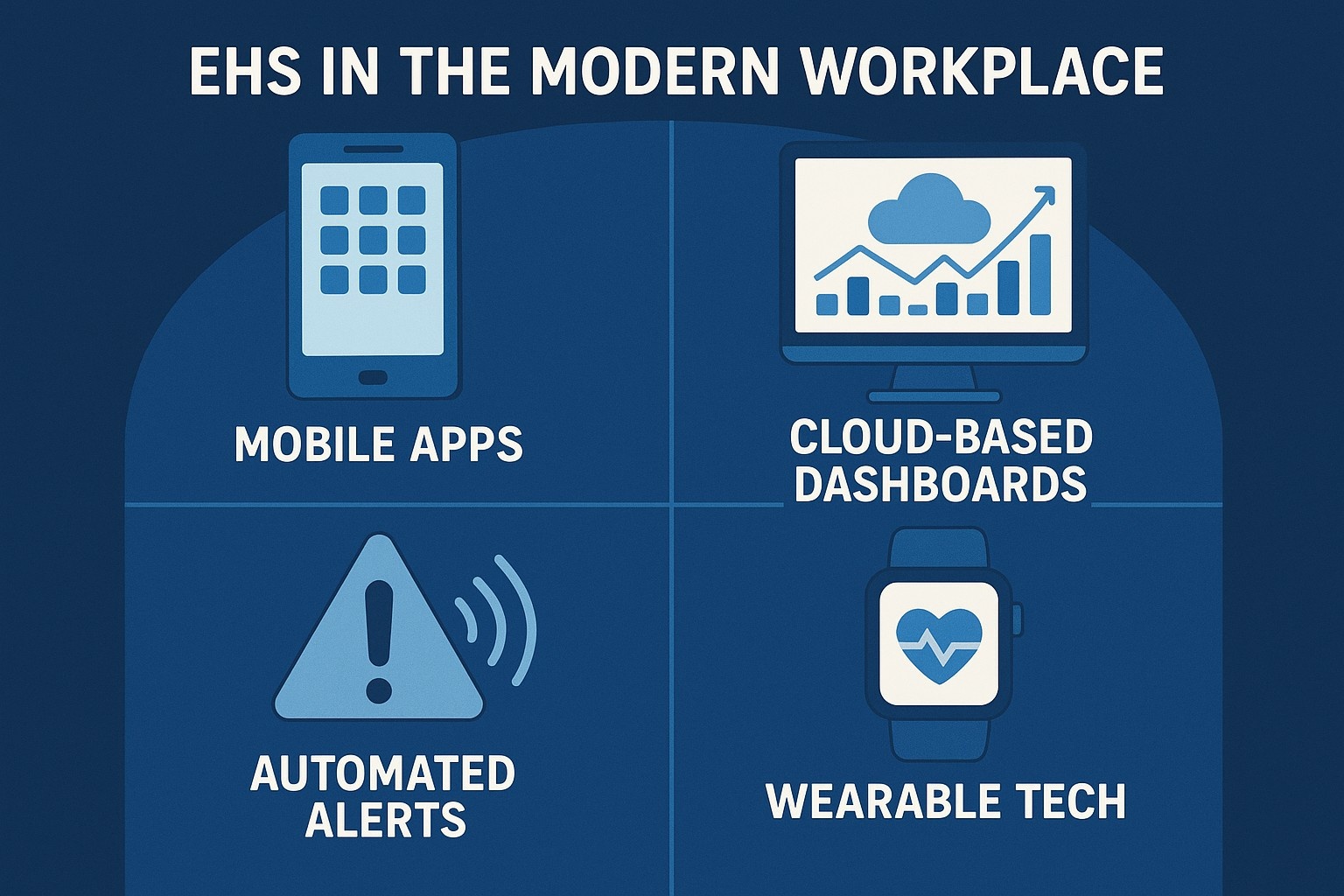
EHS in the Modern Workplace
EHS has evolved a lot over the years. It’s no longer just about ticking boxes on safety forms or hanging warning signs. Today, it’s about creating a workplace culture that values prevention, openness, and smart use of technology.
Modern organizations understand that health and safety aren’t just checklists – they’re a reflection of how the company operates day to day. When employees feel safe, they work better. When operations are environmentally responsible, the business earns trust. That’s the real power of EHS in today’s world: it keeps everyone protected while helping organizations grow in a responsible, sustainable way.
The Shift from Reactive to Proactive
In the past, EHS teams were often called in only after an incident occurred. Now, the approach is much more proactive. With the help of digital tools, companies can detect risks before they turn into real problems. For instance, sensors can track temperature changes, chemical exposure, or air quality in real time, helping teams respond immediately.
This change has also made EHS a shared responsibility. Everyone, from executives to new hires, plays a part in maintaining a safe workplace. When people understand why safety matters, they’re more likely to notice small issues and fix them early.
How Technology Is Changing EHS
Modern workplaces rely heavily on digital tools that make safety management easier and faster. A few examples include:
- Mobile apps: Inspectors can log issues, upload photos, and access reports directly from the field.
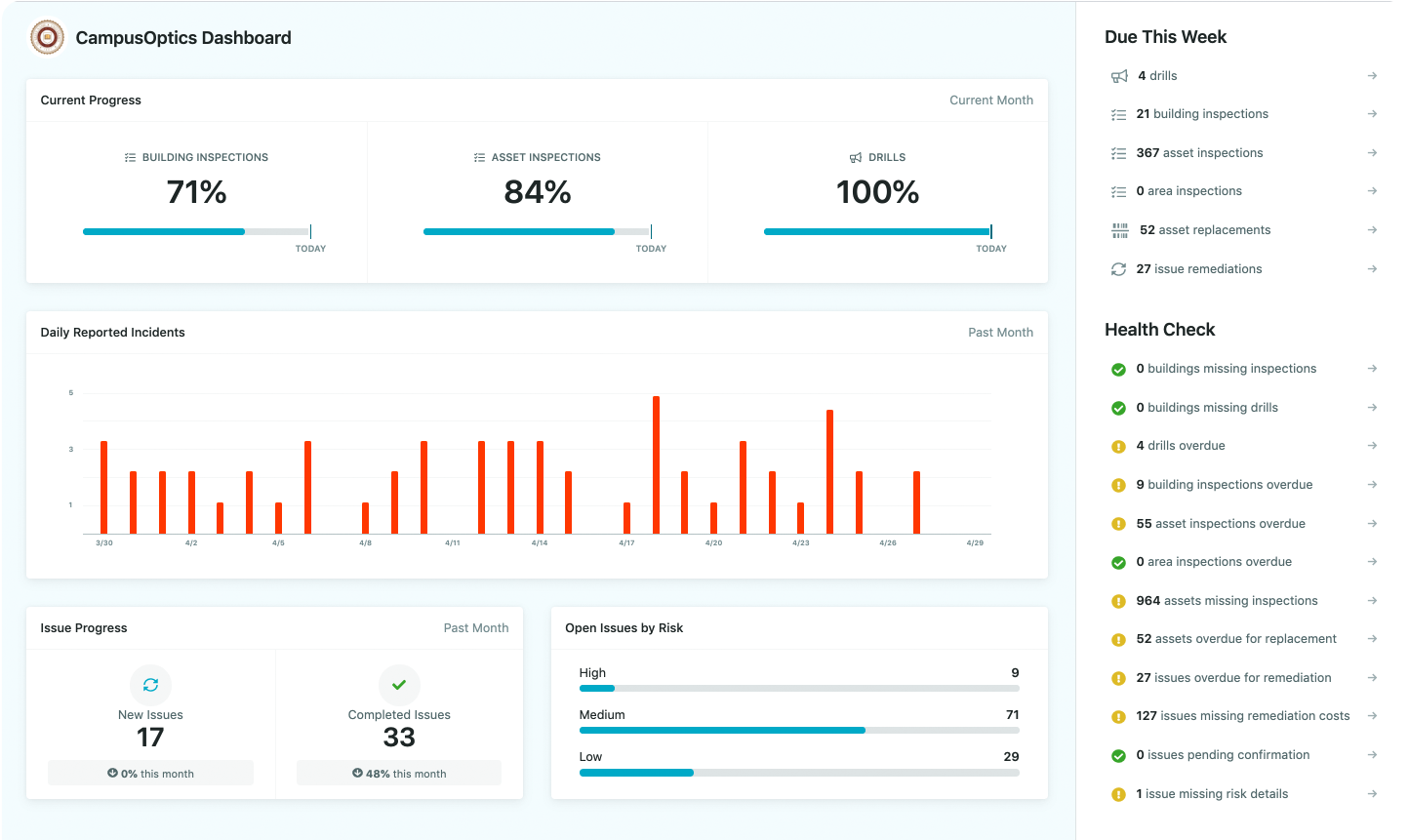
- Cloud-based dashboards: Teams can track safety data from multiple sites in one place and visualize patterns.
- Automated alerts: Systems can notify managers the moment a potential hazard is detected.
- Wearable tech: Smart helmets, badges, or watches can monitor worker health indicators like heart rate or fatigue levels.
These tools don’t replace human expertise, but they help EHS professionals spend less time on paperwork and more time preventing problems.
The Human Side of Modern EHS
While technology has made things more efficient, people remain at the center of every successful EHS program. Real progress comes when employees feel empowered to report hazards and suggest improvements. Some organizations now use safety recognition programs to celebrate teams that maintain strong safety records or come up with creative solutions.
At its core, the modern EHS approach blends technology with trust. When people feel supported and listened to, they naturally care more about keeping their workplace safe.
Why EHS Matters for Every Organization
Ignoring EHS is never worth the risk. A single safety incident or environmental violation can cost a company far more than prevention ever would. But beyond avoiding problems, strong EHS programs bring lasting benefits that touch every part of a business.
The Real Value of EHS
Here’s why every organization – no matter its size – should make EHS a priority:
- Protecting People: The simplest and most important reason. Safe employees are healthier, more motivated, and more loyal.
- Legal Compliance: Staying up to date with regulations helps avoid fines, shutdowns, or legal action.
- Reputation Management: Companies that take EHS seriously earn trust from customers, investors, and their communities.
- Cost Savings: Preventing accidents means fewer repairs, less downtime, and lower insurance costs.
- Sustainability: Reducing emissions and managing waste responsibly supports long-term environmental goals.
Building a Responsible Brand
Modern consumers and investors expect companies to act responsibly. When an organization shows that it values safety and the environment, it stands out in the right way. EHS programs don’t just protect workers – they also demonstrate integrity and respect for the community.
Simply put, good EHS practices are about doing the right thing, and doing it well. They create a safer, more productive environment for everyone involved.
Technology and Data in EHS
Data has completely changed how EHS professionals work. Instead of reacting to problems, they can now use real-time information to predict and prevent them. The rise of connected systems, sensors, and analytics has made EHS smarter, faster, and more reliable.
How Data Improves Decision-Making
Modern EHS programs rely on data to see the full picture. By tracking everything from air quality to equipment maintenance schedules, teams can spot trends and take action early.
Examples include
- Air quality sensors that alert teams to chemical leaks or poor ventilation.
- Predictive analytics that use past incidents to identify future risks.
- Centralized dashboards that show compliance levels across multiple sites.
This kind of visibility allows managers to prioritize the most critical areas and allocate resources more effectively.
The Benefits of Digital EHS Tools
The best part of data-driven EHS management is how it simplifies everyday work. Instead of digging through paper reports or spreadsheets, teams can take advantage of digital systems that streamline everything.
What digital EHS tools help teams do
- Access reports instantly from mobile devices
- Share information with other departments in real time
- Measure progress toward sustainability and safety goals
- Automate recurring tasks like inspection reminders or compliance checks
Digital tools make EHS work less about bureaucracy and more about action.
Balancing Tech with Human Judgment
Even the smartest systems can’t replace human intuition. Data can point to potential problems, but it’s people who decide how to act on it. The most effective EHS programs are the ones that use technology to support, not replace, expert decision-making.
In the end, technology gives EHS professionals the visibility they need, while human insight ensures that safety stays personal and practical. When those two elements work together, organizations become safer, more efficient, and better prepared for the future.

The Future of EHS
EHS isn’t just about compliance anymore. It’s quickly becoming one of the most strategic areas in modern business. As companies face growing expectations around sustainability, worker wellbeing, and corporate responsibility, the role of EHS is expanding far beyond what it used to be. What was once a behind-the-scenes department is now a driving force in shaping how organizations operate and grow.
The Next Phase of EHS
The future of EHS will be built around smarter systems, faster data, and stronger collaboration. Here’s where things are heading:
- Digital transformation: More organizations are moving away from paper-based systems and adopting cloud platforms that centralize all EHS data in one place.
- Automation: Routine tasks like scheduling inspections or tracking compliance deadlines are increasingly being automated, which frees up EHS teams to focus on bigger-picture strategies.
- Artificial intelligence: AI tools can analyze trends in safety reports, identify hidden risks, and even predict potential incidents before they occur.
- Real-time monitoring: With connected sensors, drones, and smart devices, companies can monitor conditions like air quality, temperature, and noise levels as they happen.
These advancements don’t just make the job easier – they make workplaces safer, cleaner, and more responsive to change.
A Stronger Focus on People and Culture
Even as technology evolves, the human element of EHS will always matter most. The best programs in the future will combine data with empathy – using insights to build safer, healthier environments where people actually feel cared for.
We’re already seeing this shift in action.
Companies are prioritizing
- Employee wellbeing alongside physical safety, with more attention to mental health and stress management.
- Transparency around incidents and reporting, encouraging open communication instead of blame.
- Training and engagement that use interactive tools or simulations to make learning more hands-on and relatable.
As safety becomes part of company culture, employees will be more likely to take ownership and look out for one another.
EHS and Sustainability Working Hand in Hand
In the coming years, EHS and sustainability will become almost inseparable. The same data used to track workplace safety can help organizations measure environmental impact and energy use. This overlap will lead to better reporting, smarter resource use, and stronger accountability.
Businesses that invest in modern EHS systems will be better equipped to:
- Meet global sustainability standards.
- Report on emissions and energy efficiency.
- Show measurable progress toward ESG (Environmental, Social, and Governance) goals.
- Build public trust through transparent, data-backed results.
Preparing for What’s Next
Looking ahead, the most successful EHS teams will be the ones that stay flexible and keep learning. Regulations, technology, and expectations will continue to evolve, and adapting quickly will be key. But one thing won’t change – the heart of EHS will always be about protecting people and the planet.
The tools will improve, the systems will get smarter, and data will become more powerful, but the mission will remain the same: to create safer, healthier, and more sustainable environments for everyone.
Conclusion
At its core, the EHS department is about something simple but deeply important – keeping people safe and protecting the world we live in. It’s the part of every organization that ensures things run smoothly without cutting corners on safety or sustainability. While most of us may not think about EHS every day, its work quietly shapes how we move through our workplaces, campuses, and communities.
What’s changing now is how EHS fits into the bigger picture. It’s no longer just about rules and compliance. It’s about culture, responsibility, and using technology to make smarter, faster decisions. When done right, EHS becomes more than a department – it becomes part of how an organization thinks and acts.
The future will bring new tools, new data, and new challenges, but the mission will stay the same. Whether it’s preventing accidents, reducing waste, or preparing for emergencies, EHS will keep playing that essential role behind the scenes – quietly building safer, stronger, and more responsible organizations for everyone.
Frequently Asked Questions (FAQ)
1. What does EHS stand for?
EHS stands for Environmental Health and Safety. It’s a broad term that covers how organizations protect people, property, and the planet through responsible practices, safety programs, and environmental management.
2. Why is EHS important in the workplace?
EHS helps prevent accidents, injuries, and environmental harm. It also ensures companies follow the law, protect their reputation, and build workplaces where employees feel safe and supported.
3. Who is responsible for EHS in an organization?
Everyone plays a role in EHS, but dedicated professionals like EHS managers, safety engineers, and environmental specialists lead the effort. They create policies, train staff, and monitor compliance across departments.
4. What are the main goals of an EHS department?
The main goals are to protect people, reduce environmental impact, and make sure operations meet legal and ethical standards. In short, EHS departments help organizations stay safe, sustainable, and compliant.
5. How does technology support EHS programs?
Modern EHS programs use digital tools to track incidents, monitor air quality, schedule inspections, and manage compliance data. Mobile apps and cloud platforms help teams respond quickly and stay organized.