An EHS professional is the person behind the systems that keep workplaces safe, sustainable, and compliant. The initials stand for Environment, Health, and Safety – three areas that overlap in nearly every organization, from manufacturing and construction to universities and research labs. These professionals look at how people, processes, and the environment interact, then find ways to prevent accidents, reduce risks, and meet regulations.
They’re the ones who design safety programs, investigate incidents, and make sure a company’s operations don’t harm workers or the planet. It’s not just about checking boxes on a compliance list – it’s about building a culture where safety and sustainability are part of everyday work.
Defining the Role
At its core, an EHS professional designs and manages processes that keep people safe, protect the environment, and ensure an organization follows health and safety regulations. They look at how operations, materials, and human behavior interact, and then find practical ways to reduce risk.
Their responsibilities aren’t limited to compliance paperwork or audits. They’re strategic thinkers who shape safety programs, investigate incidents, and collaborate with teams to solve complex challenges. It’s a role that blends science, engineering, and leadership with a deep understanding of human behavior.
Simply put, EHS professionals help organizations see what could go wrong before it does—and make sure those lessons are built into everyday operations.
The Scope: Where They Work and What They Focus On
EHS professionals work across many industries. You’ll find them in manufacturing plants, construction sites, research labs, hospitals, and universities: anywhere people, equipment, or materials could create potential hazards.
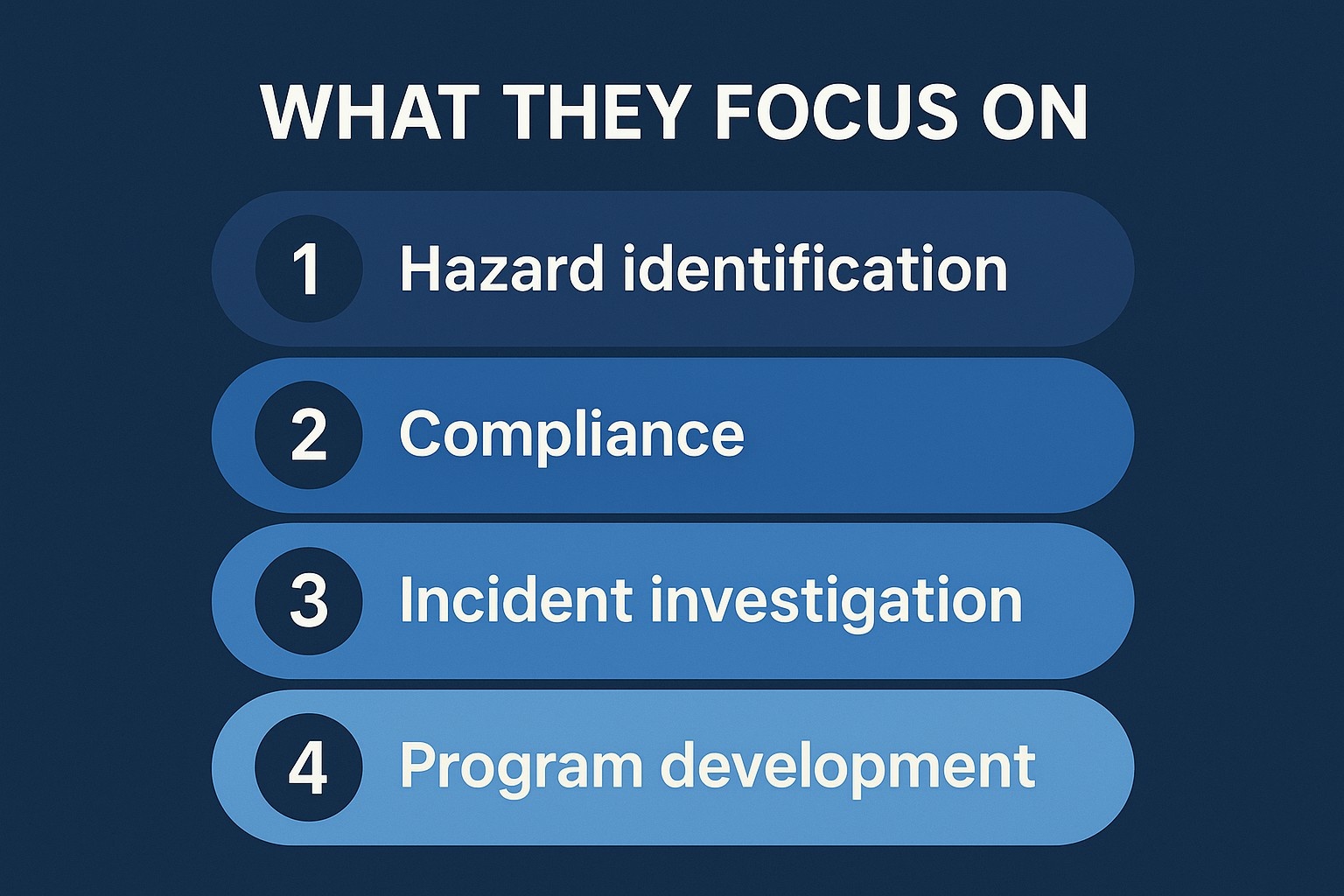
Their focus depends on the environment they’re in, but the core areas are usually:
- Hazard identification: spotting unsafe conditions and potential risks before they lead to harm.
- Compliance: ensuring the company meets all environmental and workplace safety laws.
- Incident investigation: finding the root cause of accidents or near misses and preventing repeats.
- Program development: creating policies and training programs that promote safe practices.
- Environmental protection: managing waste, preventing spills, and reducing environmental impact.
Because the work is so varied, no two days in this field are ever quite the same.

Making EHS Work Smarter with CampusOptics
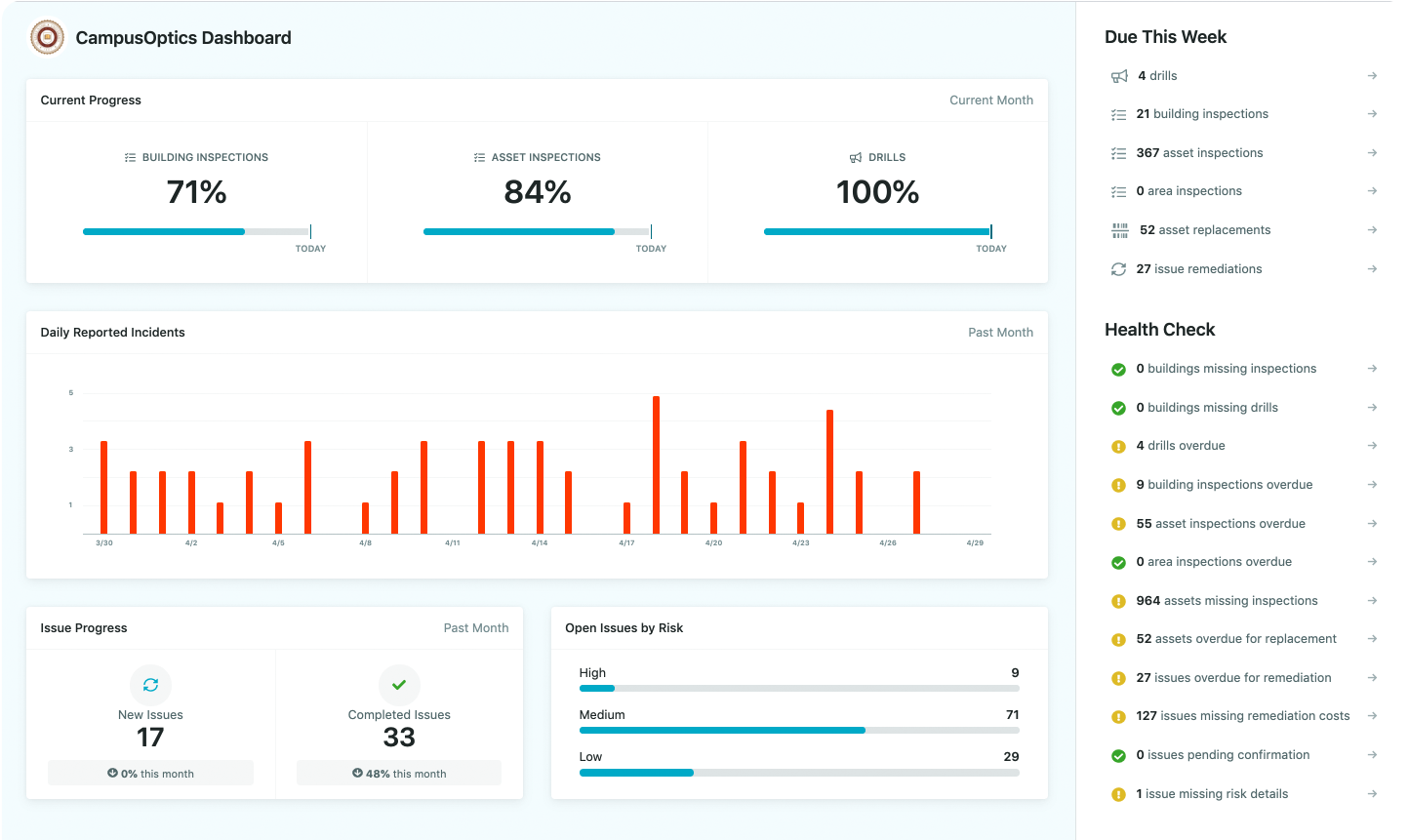
For those working in campus environments, managing safety across multiple buildings, labs, and departments can feel like juggling a hundred moving parts. That’s why we often look for tools that make the job more connected and transparent. One platform that stands out in this space is CampusOptics.
We built CampusOptics specifically for higher education. Instead of trying to adapt generic safety software, it brings every piece of campus safety: chemical inventories, inspections, hazardous waste, emergency plans, and compliance calendars – into one system. Everything’s mapped, mobile, and easy to access whether you’re in an office or out in the field.
For EHS professionals, this kind of centralized platform can make a real difference. It saves time, reduces reporting headaches, and helps teams stay aligned on what matters most: keeping people and campuses safe. If you’re part of a university or college safety team, CampusOptics is worth considering as a practical way to simplify daily EHS management.
Essential Skills and Traits
A good EHS professional balances technical expertise with strong people skills. It’s not enough to know the rules – you have to be able to explain them, enforce them, and earn trust while doing it.
Technical Skills Include:
- Understanding safety regulations and environmental laws.
- Conducting risk assessments and safety inspections.
- Analyzing data from incidents, audits, and safety reports.
- Implementing safety systems for machinery, chemicals, or operations.
- Planning emergency responses and drills.
Soft Skills That Matter Just as Much:
- Communication: Explaining safety concepts clearly to everyone, from managers to front-line staff.
- Critical thinking: Solving problems that don’t have a one-size-fits-all solution.
- Observation: Noticing small details that might point to a bigger risk.
- Leadership: Inspiring others to take safety seriously without being heavy-handed.
- Adaptability: Adjusting to new technologies, changing regulations, and evolving company priorities.
This combination makes EHS professionals a rare kind of specialist – part scientist, part strategist, part educator.
A Day in the Life of an EHS Professional
If you shadowed an EHS professional for a day, you’d see how wide their responsibilities can stretch. It’s a job that blends fieldwork, communication, and strategy – often all before lunch. No two days are quite the same, and that’s what keeps the work engaging.
Morning: Inspections and Prevention
The day often starts with walk-throughs or inspections. This is when EHS professionals check facilities for hazards, test safety systems, and make sure new equipment meets compliance standards. They might review chemical storage areas, verify that guards and interlocks are in place, or follow up on previously reported safety issues. These morning rounds aren’t just about ticking boxes—they’re about spotting small problems before they turn into serious risks.
Midday: Training and Collaboration
By late morning or early afternoon, the focus shifts to people. Many EHS professionals lead safety briefings, host workshops, or deliver refresher training for teams working with hazardous materials or equipment. Others spend time reviewing environmental data, updating risk assessments, or rewriting safety plans to align with new regulations. This part of the day often involves teamwork—coordinating with maintenance crews, lab managers, or leadership to keep everyone on the same page.
Afternoon: Investigation and Improvement
If an incident or near miss has occurred, afternoons might be spent investigating what happened and why. That could mean interviewing workers, reviewing security footage, or writing detailed corrective action reports. It’s not about assigning blame, it’s about learning and improving processes.
End of Day: Reports and Reflection
Before wrapping up, EHS professionals often turn to analysis. They review safety reports, spot trends, and prepare presentations for leadership on compliance deadlines or ongoing risks. The administrative work supports everything else they do, translating data from the field into insights that guide smarter decisions.
The variety is part of what makes this career fulfilling. Each day brings new challenges to solve, new people to collaborate with, and new opportunities to make workplaces safer and more sustainable.
Education and Career Path
Most EHS professionals start with a bachelor’s degree in a related field—environmental science, occupational health, engineering, chemistry, or biology. Some employers look for advanced degrees or certifications for senior roles.
Common certifications include:
- Certified Safety Professional (CSP)
- Occupational Health and Safety Technologist (OHST)
- Certified Industrial Hygienist (CIH)
These credentials demonstrate a deeper level of knowledge and commitment to ongoing learning.
The typical career path looks like this:
- Entry-level: EHS coordinator or technician, handling inspections and documentation.
- Mid-level: EHS specialist or engineer, developing programs and leading training.
- Senior-level: EHS manager or director, overseeing multiple sites and shaping company-wide safety strategies.
Pay varies by industry and experience, but professionals in the field often earn competitive salaries that reflect their technical expertise and responsibility.
 Why the Role Matters
It’s easy to see safety as something you focus on only when a problem happens. But EHS professionals know the real value comes from preventing issues before they occur. Their work quietly shapes how organizations operate and how people experience their workplace every day.
- They protect people: Every inspection, drill, and risk assessment is done with one goal in mind, making sure workers go home safe. From construction sites to research labs, EHS professionals create systems that prevent accidents and save lives.
- They protect the planet: Environmental health is a central part of what they do. They manage waste responsibly, prevent pollution, and find ways to reduce a company’s environmental footprint. In doing so, they help organizations meet sustainability goals while protecting local ecosystems.
- They protect businesses: When safety is built into daily operations, everything runs better. Fewer incidents mean fewer interruptions, lower costs, and stronger compliance records. Over time, that kind of consistency builds trust, with regulators, partners, and the public.
And beyond all of that, they help shape a company’s culture. A thoughtful EHS program sends a clear message: people matter here. That sense of safety and respect creates stronger teams, higher morale, and workplaces that can grow without sacrificing the well-being of those who make it all possible.
Common Misconceptions
Because EHS roles are so broad, a few myths tend to stick around. These misunderstandings often come from not seeing how much strategy and communication go into the job. Let’s clear up some of the most common ones.
- “They just do inspections.” Many people assume EHS professionals spend all day checking boxes and writing reports. In reality, they design full safety systems, guide long-term strategies, and make sure every part of an operation: from training to maintenance, works together to reduce risk.
- “It’s all about compliance.” Regulations are a big part of the work, but they’re not the finish line. Great EHS programs go beyond legal requirements to build a proactive safety culture that prevents problems before they happen. Compliance is the framework; prevention is the goal.
- “Anyone can handle safety.” Everyone contributes to safety, but EHS professionals bring years of technical knowledge, regulatory expertise, and leadership experience. They understand the science behind safety systems and can translate that into real-world processes that actually work.
- “Safety slows things down.” It’s the opposite. A well-managed EHS program removes confusion, streamlines procedures, and keeps people focused on their jobs. Preventing accidents saves time, money, and resources, turning safety into a long-term productivity advantage.
These myths might make the role seem smaller than it is, but the truth is that EHS professionals are the backbone of operational success. Their influence often shows not in what goes wrong, but in everything that quietly goes right.
What Makes a Great EHS Professional
The best EHS professionals do more than enforce rules, they inspire trust. They know how to take complex regulations and turn them into simple, practical steps that people can actually follow. Instead of hiding behind technical jargon, they communicate clearly, listen actively, and create an environment where safety feels like a shared goal rather than a top-down directive.
What really sets them apart is how they connect with people. They’re approachable, observant, and genuinely curious about how things work. They don’t just check compliance boxes, they understand the rhythm of daily operations and look for ways to make them safer without slowing anyone down. Their presence reassures teams that someone’s looking out for both their well-being and the bigger picture.
In the end, a great EHS professional isn’t a watchdog, they’re a partner. They solve problems quietly, prevent issues before they surface, and help others do their jobs better. When everything runs smoothly and safely, that’s often the clearest sign of their impact.
Final Takeaway
Being an EHS professional isn’t about paperwork or compliance checklists. It’s about creating workplaces where safety isn’t an afterthought – it’s built in.
These professionals sit at the crossroads of science, regulation, and human behavior. They’re the ones making sure that innovation, productivity, and sustainability can exist together.
And while their work might not always grab headlines, it quietly shapes the kind of world we all want to live in: one that values people, protects the planet, and takes responsibility for doing things the right way.
Frequently Asked Questions
What does EHS stand for?
EHS stands for Environment, Health, and Safety. It refers to the systems, policies, and professionals that protect people, property, and the environment from harm in the workplace.
What does an EHS professional actually do?
EHS professionals identify risks, design safety programs, train employees, ensure compliance with regulations, and investigate incidents. Their main goal is to prevent injuries, accidents, and environmental damage while keeping operations running smoothly.
What qualifications do you need to become an EHS professional?
Most EHS professionals have a bachelor’s degree in a related field such as environmental science, occupational health, or engineering. Certifications like CSP (Certified Safety Professional) or CIH (Certified Industrial Hygienist) can help advance your career and show your expertise.
Where do EHS professionals work?
They work in almost every industry: manufacturing, construction, healthcare, energy, higher education, and research. Any organization that deals with people, equipment, or materials needs someone overseeing safety and environmental impact.
What skills are important in this field?
Strong communication, problem-solving, observation, and leadership skills are essential. EHS professionals must also understand regulations, conduct risk assessments, and be comfortable using data to improve workplace safety.