Applying for a job in Environmental Health and Safety (EHS) isn’t something you can wing. It’s a career path that blends science, management, and genuine care for people and the planet. Whether you’re drawn to environmental protection, workplace safety, or compliance management, the process of getting into EHS requires planning. This article breaks down what actually works when applying for EHS roles, from building your qualifications to navigating certifications, interviews, and beyond.
Understanding What EHS Is About
Before you start applying, it helps to understand what you’re getting into. EHS professionals work to protect both people and the environment by creating, monitoring, and enforcing safety and environmental policies. They’re the ones who make sure organizations follow regulations, reduce hazards, and stay compliant with standards like OSHA or EPA guidelines.
Some focus on environmental aspects like pollution control and waste management. Others concentrate on workplace safety, emergency response, or fire and life safety. The key is that every role exists to prevent accidents and minimize harm – physically, environmentally, and financially.

Step 1: Build the Right Educational Background
Start with a Strong Foundation
A bachelor’s degree is the first real step toward most EHS positions. Common majors include:
- Environmental Science
- Occupational Health and Safety
- Industrial Engineering
- Chemistry or Biology
- Public Health
While it’s possible to enter the field with related experience, most employers expect a college degree that includes coursework in safety, environmental management, or compliance.
Should You Go for a Master’s Degree?
A master’s degree isn’t required for most roles, but it can help if you’re aiming for leadership positions or specialized work, like environmental policy or risk management. Many safety directors or compliance managers hold advanced degrees because they need to understand complex regulations and lead large teams.
Step 2: Gain Real-World Experience
You can study all the theory in the world, but EHS is a hands-on profession. Employers want proof that you know how to apply safety principles in real situations.
Start Small but Start Early
Internships are one of the best ways to break into the field. Many colleges partner with local industries, hospitals, or environmental agencies that offer EHS-related internships. These experiences teach you how to conduct inspections, write safety reports, and interact with regulatory authorities.
Entry-Level Roles to Look For
When you’re just getting started, consider applying for:
- Safety Technician
- Environmental Health Assistant
- Compliance Coordinator
- EHS Intern or Trainee
These positions might not sound glamorous, but they give you valuable experience with risk assessment, data collection, and compliance processes.
Step 3: Choose the Right EHS Certification
Certifications aren’t always mandatory, but they help you stand out. They show employers you’ve met professional standards and understand the core responsibilities of safety and environmental management.
Most Recognized Certifications
Here are some of the most respected credentials in the EHS world:
- Certified Safety Professional (CSP): Considered the top-tier credential for experienced EHS professionals.
- Associate Safety Professional (ASP): Often a stepping stone toward the CSP.
- Occupational Hygiene and Safety Technician (OHST): Ideal for those working in industrial environments.
- Construction Health and Safety Technician (CHST): Focused on safety in construction sites.
- Safety Trained Supervisor (STS): For supervisors who manage day-to-day safety tasks.
These certifications are offered by the Board of Certified Safety Professionals (BCSP) and require a mix of education, work experience, and passing an exam.
Short-Term Training and Courses
If you’re not ready for certification yet, consider shorter courses such as:
- OSHA 10-Hour or 30-Hour Training
- HAZWOPER (Hazardous Waste Operations and Emergency Response)
- EPA-approved environmental courses
These programs teach practical safety and compliance skills that employers value.
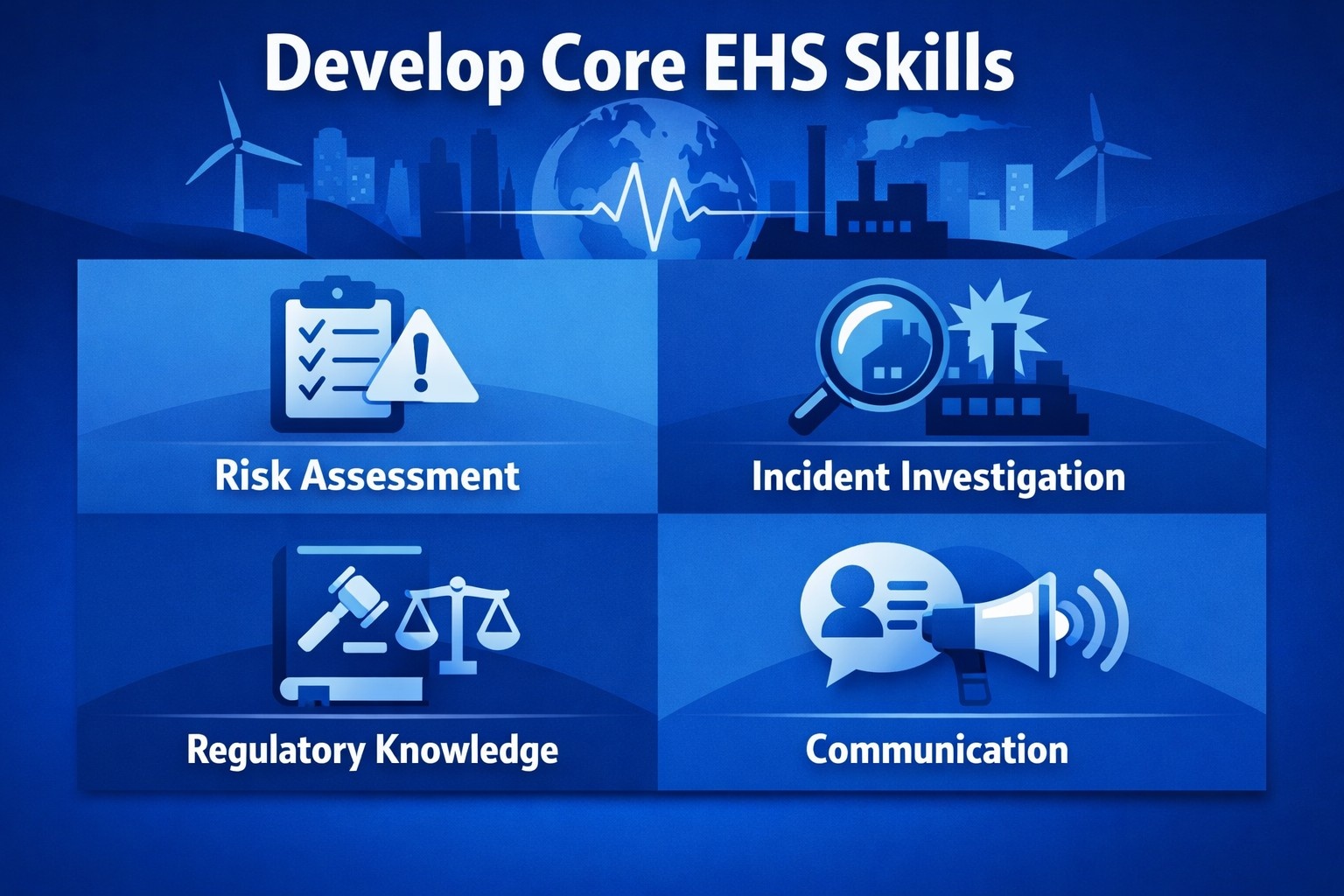
Step 4: Develop Core EHS Skills
Knowledge and certificates are great, but soft and technical skills are what make you effective in the field.
Essential EHS Skills to Highlight
- Risk Assessment: Understanding potential hazards before they turn into incidents.
- Incident Investigation: Knowing how to analyze what went wrong and prevent it from happening again.
- Regulatory Knowledge: Familiarity with OSHA, EPA, and local environmental laws.
- Communication: Explaining complex safety rules in plain language for everyone in the workplace.
- Leadership and Collaboration: Working with different departments to implement safe practices.
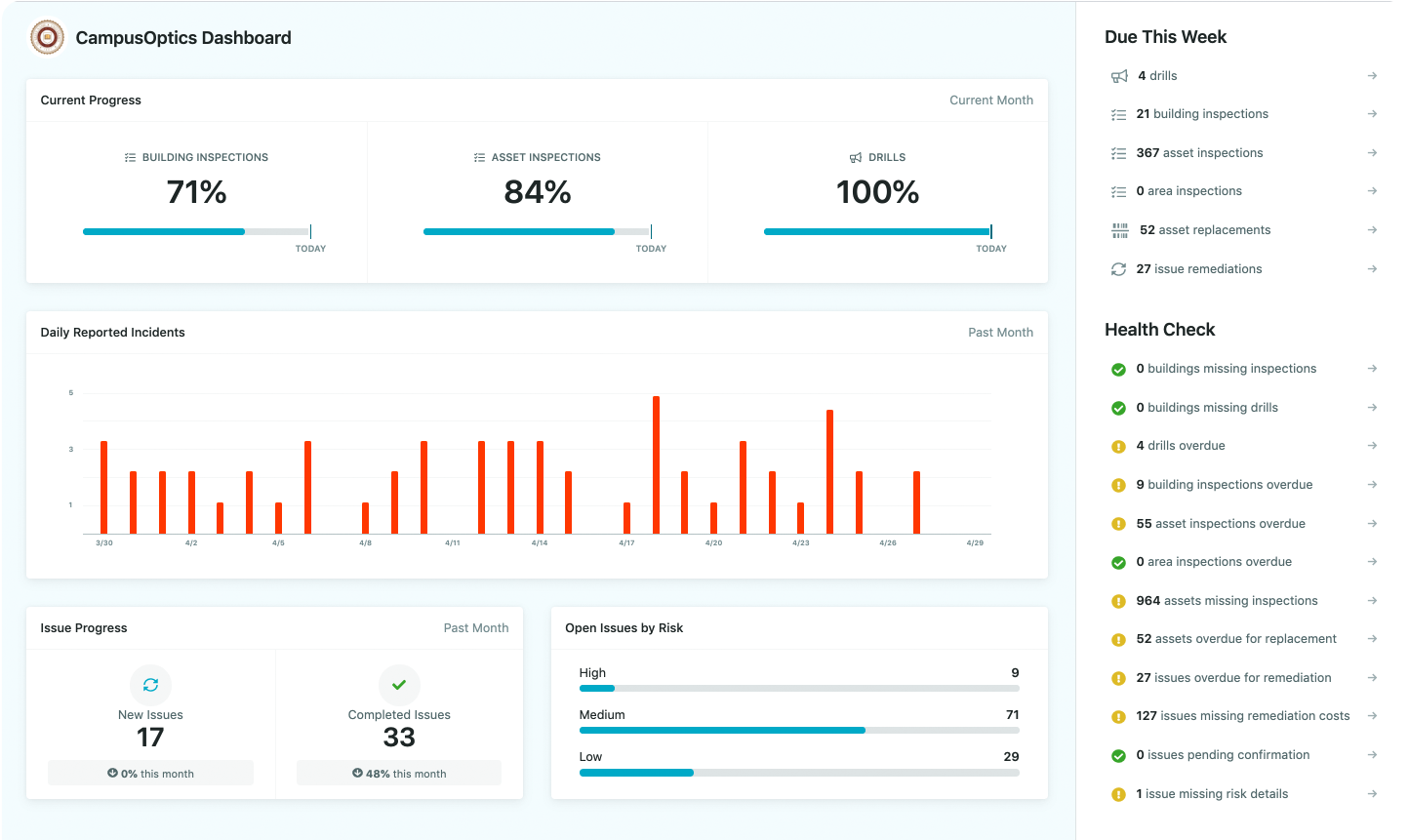
It also helps to be comfortable with data analysis tools, inspection software, and reporting systems – many EHS platforms (like CampusOptics) use digital tracking to monitor compliance and assets.
Step 5: Prepare a Strong Resume and Cover Letter
Write Like You Understand the Field
Your resume should do more than list duties. Focus on accomplishments that show real outcomes. For instance: instead of: “Conducted inspections and wrote safety reports.” say: “Reduced incident reports by 20% through targeted safety inspections and employee training.” Recruiters appreciate metrics and context – they tell the story of what you’ve actually achieved.
Tailor Your Application
Don’t send the same resume everywhere. Each company may emphasize different aspects of EHS work. Some prioritize environmental compliance, while others want experience in occupational health or emergency response. Adjust your wording to match the focus of each job description.
Cover Letter Tips
- Open with why you care about safety or environmental health.
- Mention one or two key experiences that show you can handle responsibility.
- Keep it concise – half a page is plenty.
Step 6: Network with EHS Professionals
Networking might sound like a buzzword, but in the EHS field, it’s often how people land opportunities.
Join Professional Associations
Look into groups like:
- American Society of Safety Professionals (ASSP)
- National Environmental Health Association (NEHA)
- Board of Certified Safety Professionals (BCSP)
These organizations host conferences, webinars, and local chapters where you can meet other professionals, learn about new regulations, and even find job openings before they’re posted publicly.
Leverage LinkedIn and Alumni Networks
Stay active on LinkedIn by following EHS-focused pages, commenting on discussions, and connecting with professionals who share insights. If your school has an alumni network, reach out to graduates working in EHS, many are open to giving advice or referrals.
Step 7: Apply Strategically
Target the Right Employers
EHS professionals work across various sectors:
- Manufacturing and construction
- Universities and research facilities
- Hospitals and healthcare organizations
- Government agencies (OSHA, EPA, CDC)
- Energy and chemical companies
Choose industries that match your background or interests. For example, someone with a biology degree might lean toward environmental compliance, while an engineer could excel in workplace safety or process risk management.
Where to Find EHS Jobs
- Job boards like Indeed, LinkedIn, and Glassdoor
- Specialized safety job sites such as Safety+Health Careers
- University or government employment portals
Make sure your online profiles reflect your certifications, training, and relevant skills. Recruiters often filter candidates based on keywords like “OSHA,” “risk management,” or “hazard assessment.”
Step 8: Prepare for the Interview
When preparing for an EHS interview, expect questions that test both your technical understanding and your ability to handle real-world situations. Interviewers often want to see how you think through problems, make decisions, and communicate with others about safety. You might be asked how you would investigate a workplace incident, what steps you’d take to ensure compliance with environmental laws, or to describe a situation where you had to persuade management to take safety more seriously.
The best way to make a strong impression is to draw from real examples. Talk about projects or experiences where you identified risks, improved compliance, or helped change workplace behavior. Show that you’re proactive about safety rather than waiting for problems to happen. It also helps to mention how you stay up to date with new regulations or industry standards. Finally, don’t forget to highlight your familiarity with modern safety tools or software, since many organizations are shifting toward digital inspection systems and data-driven reporting.

Step 9: Keep Learning and Growing
Getting your first EHS job is only the start. The field evolves constantly due to new technologies, sustainability goals, and updated regulations.
Stay Ahead by Continuing Education
Once you’ve settled into your first EHS position, it’s important not to get too comfortable. The industry moves fast, shaped by new technologies, sustainability standards, and evolving regulations. Keeping your knowledge current helps you stay effective and relevant. Make time for refresher courses every few years, especially on topics like OSHA compliance or hazardous materials handling. Attend workshops and webinars that explore environmental regulations, fire safety management, or occupational health strategies. Reading respected publications such as Safety+Health Magazine or EHS Today is another simple way to stay updated on best practices and emerging issues in the field.
Explore New Career Paths
As your experience grows, you’ll likely find opportunities to specialize or step into leadership. Some professionals move into management roles, overseeing teams or entire safety programs. Others shift toward areas like environmental compliance, fire and life safety, or risk management consulting. These paths often come with higher expectations and may require advanced certifications or more strategic knowledge, but they also bring greater responsibility and stronger earning potential. Continuing to learn and refine your expertise keeps your career in motion and opens doors to new challenges within the EHS world.

Use CampusOptics to Strengthen Your EHS Career
As we asked EHS professionals to look for better ways to manage compliance and safety programs, we built CampusOptics to help them work more efficiently and see the full picture of campus safety. After speaking with hundreds of campus safety professionals, we realized that many colleges and universities were still managing their safety programs with spreadsheets, paper forms, and disconnected databases. It made collaboration harder and left critical details scattered across departments. We built CampusOptics to change that.
Our platform was designed specifically for higher education, helping Environmental Health and Safety teams manage everything from chemical inventories and hazardous waste to fire inspections, incident tracking, and safety training. With one connected system, we can see the full picture of campus safety, identify risks faster, and ensure compliance with less manual effort. For those entering or advancing in EHS, using modern software like CampusOptics can make a real difference. It not only simplifies daily work but also shows that you understand the value of data-driven safety management – a skill that’s becoming increasingly essential across all EHS roles.
Final Thoughts
Applying for an EHS job isn’t just about filling out forms or collecting certifications. It’s about showing that you care enough to make a difference in how workplaces function and how people stay safe. Start with education, add hands-on experience, keep learning, and connect with others who share your values.
The field rewards persistence and genuine interest. Once you’re in, you’ll find that EHS work has a direct, tangible impact every single day, keeping people healthy, protecting the environment, and ensuring organizations do the right thing.
Frequently Asked Questions
What qualifications do I need to apply for an EHS job?
Most EHS positions require at least a bachelor’s degree in a related field such as environmental science, occupational safety, biology, or engineering. Some employers prefer candidates with certifications like CSP or ASP, while advanced roles may ask for a master’s degree.
Is certification mandatory for an EHS role?
Not always. Certifications like the Certified Safety Professional (CSP) or Associate Safety Professional (ASP) can boost your credibility, but they’re not required for every job. They do, however, demonstrate your commitment and expertise, which helps you stand out in competitive hiring situations.
How can I get experience if I’m new to EHS?
Start with internships, safety trainee programs, or entry-level roles such as Safety Technician or Compliance Assistant. Real-world experience helps you understand how regulations apply on the ground and gives you stories to share in interviews.