
Campus safety incident tools are specialized systems designed to manage, track, and analyze safety-related events on educational campuses. These tools serve as critical infrastructure for colleges, universities, and schools, enabling them to maintain secure environments while adhering to regulatory requirements such as the Jeanne Clery Act in the United States. By integrating incident reporting, data analytics, and communication functionalities, these systems support campus safety departments, administrators, and the broader campus community in fostering transparency and proactive risk management.
Definition and Purpose of Campus Safety Incident Tools
Campus safety incident tools are software platforms or applications that facilitate the reporting, tracking, and resolution of safety incidents on or near educational campuses. These incidents may include safety concerns, criminal activities, medical emergencies, alarm system activations, or accidents. The primary purpose of these tools is to streamline the management of safety events, ensuring timely responses and compliance with legal mandates.
These systems are not merely databases for logging incidents; they function as comprehensive ecosystems that integrate multiple aspects of campus safety operations. They provide structured processes for documenting events, analyzing trends, and communicating critical information to stakeholders. By centralizing safety-related data, these tools enable institutions to make informed decisions about resource allocation and preventive measures.
Core Features of Campus Safety Incident Tools
Campus safety incident tools incorporate a range of functionalities to address the diverse needs of educational institutions. These features are designed to enhance operational efficiency and ensure regulatory compliance.
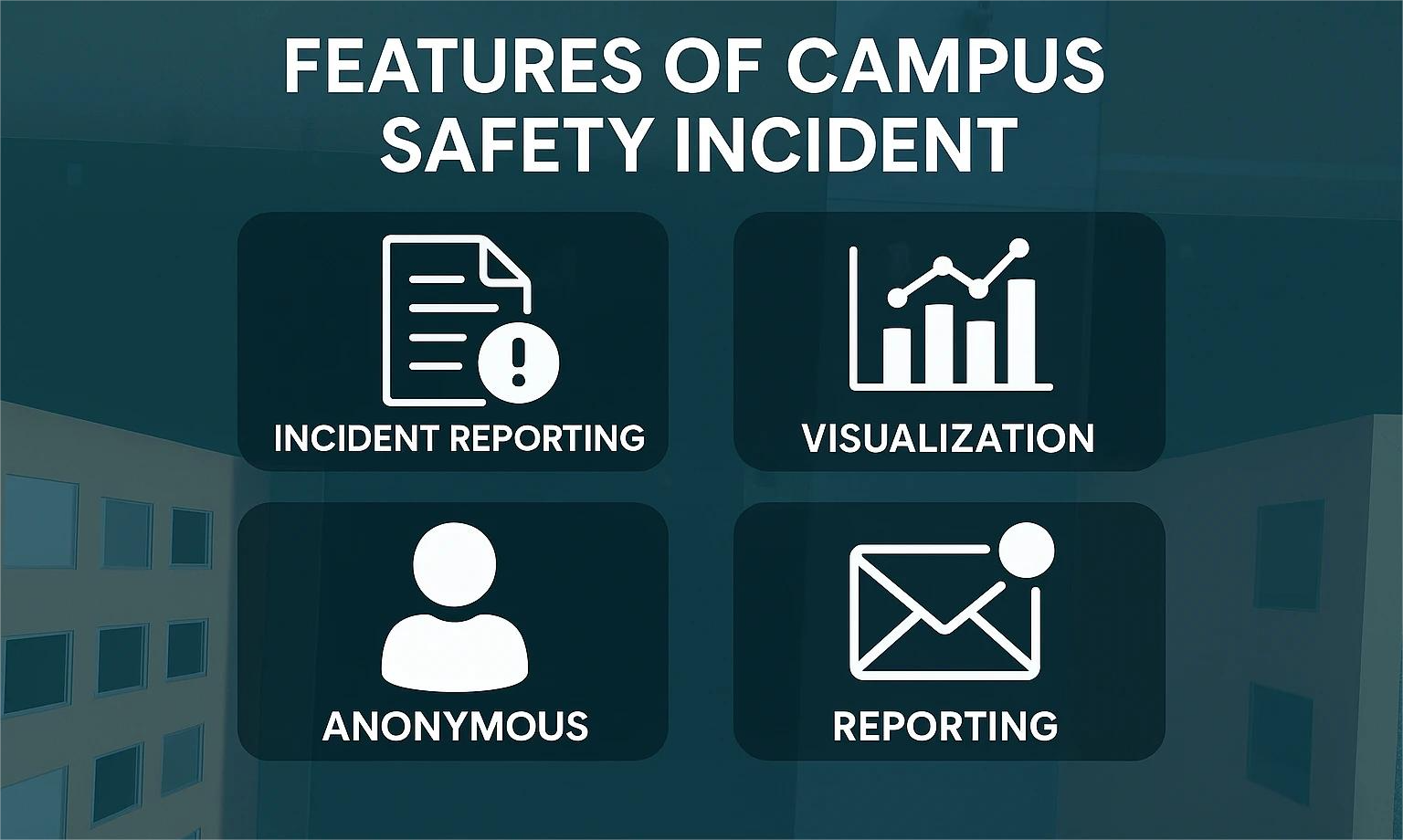
Incident Reporting and Case Management
A fundamental component of these tools is their ability to log detailed information about safety incidents. Users, including students, faculty, and staff, can report events such as safety concerns, injuries, accidents, alarm system activations or medical emergencies through user-friendly interfaces, often accessible via web platforms or mobile applications. Each reported incident is assigned a case file, which includes details like the time, location, and nature of the event. Campus safety officers can then track the status of these cases, assign personnel, and document resolutions, ensuring a systematic approach to incident management.
Data Analytics and Visualization
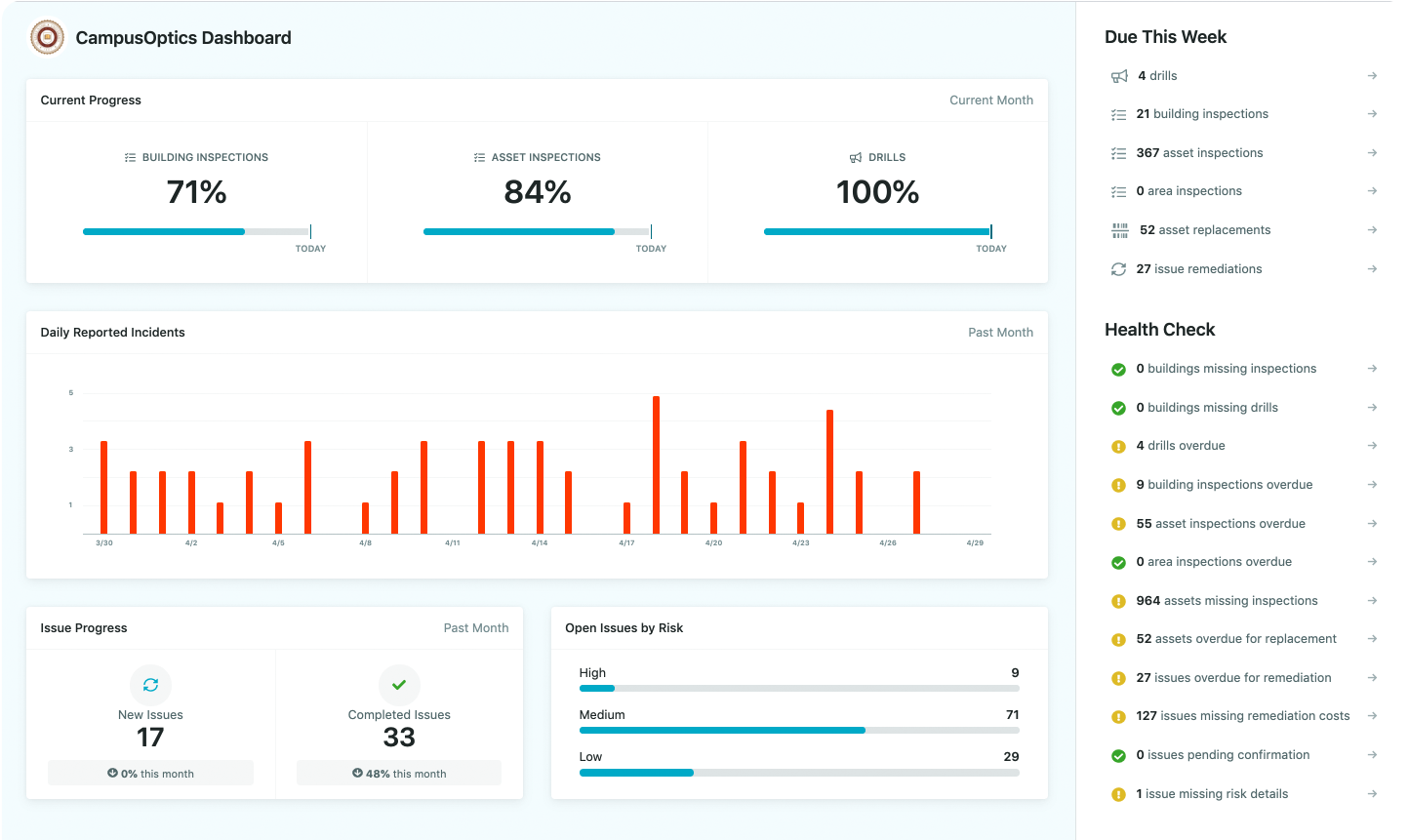
Data analysis is a cornerstone of modern campus safety tools. These systems generate reports and interactive dashboards that allow safety departments to identify patterns, such as crime hotspots or recurring types of incidents. By visualizing data trends over time, institutions can pinpoint areas of concern and develop targeted prevention strategies. For instance, analytics might reveal a higher incidence of theft in specific campus areas, prompting increased patrols or improved lighting.
Anonymous Tipping Capabilities
To encourage reporting without fear of retaliation, many tools offer anonymous tipping features. Students and staff can submit concerns about safety concerns, suspicious behavior or potential threats without disclosing their identities. This functionality fosters a culture of openness and vigilance, enabling early intervention in situations that might otherwise escalate.
Compliance and Reporting
In the United States, the Jeanne Clery Act mandates that institutions receiving federal funding disclose campus crime statistics and safety policies. Campus safety incident tools streamline compliance by automating the collection and organization of required data. These systems generate standardized reports that meet regulatory requirements, reducing the administrative burden on campus safety teams and ensuring transparency with the public.
Real-Time Notifications
Effective communication is critical during emergencies. Campus safety incident tools often include mechanisms for broadcasting real-time alerts to appropriate campus contacts. These notifications inform staff immediately when a new incident is reported. This functionality ensures that critical information reaches the relevant audiences promptly, enabling swift action to mitigate risks.

CampusOptics: Our Approach to Campus Safety Incident Management
At CampusOptics, we’ve built a platform specifically for higher education, focusing on environmental health and safety (EH&S) while prioritizing robust incident management. Our system goes beyond basic reporting, fostering collaboration across departments to reduce risks and strengthen campus safety culture. We designed it to fit the dynamic needs of safety professionals, ensuring it’s practical and impactful for the entire campus community.
Our mobile app for iOS and Android keeps us connected on the go, allowing instant access to incident records, asset details, and emergency plans. Features like barcode and QR code scanning streamline asset checks, while talk-to-text simplifies logging during inspections. We also enable photo and video uploads to document incidents in real time and provide mapping tools to visualize incidents alongside safety assets like AEDs or chemical storage. With unlimited users and customizable permissions, we ensure the right people get the right data, making our platform a proactive tool for preventing issues and keeping safety first.
Benefits of Implementing Campus Safety Incident Tools
The adoption of campus safety incident tools provides several advantages for educational institutions, enhancing both operational efficiency and community trust.
- Improved Response Times: Real-time alerts and streamlined case management enable faster responses to emergencies, minimizing potential harm.
- Enhanced Transparency: By maintaining detailed records and generating compliance reports, these tools promote accountability and public access to safety information.
- Proactive Risk Management: Data analytics allow institutions to identify trends and allocate resources effectively, addressing vulnerabilities before they lead to serious incidents.
- Community Engagement: Features like anonymous tipping and accessible reporting interfaces empower students and staff to contribute to campus safety.
Role in Regulatory Compliance
Compliance with regulations like the Jeanne Clery Act is a critical function of campus safety incident tools. These systems are designed to collect and store data in a manner that aligns with federal requirements, ensuring that institutions can produce accurate and timely reports. Beyond compliance, the tools support institutions in maintaining transparent safety policies, which are essential for building trust with students, parents, and regulatory bodies.
Alignment with the Jeanne Clery Act
The Jeanne Clery Act requires institutions to report specific Clery crimes, such as criminal homicide, sexual assault, robbery, aggravated assault, burglary, motor vehicle theft, arson, domestic violence, dating violence, stalking, as well as hate crimes motivated by bias against the above offenses or larceny-theft, simple assault, intimidation, and destruction/damage/vandalism of property. The Jeanne Clery Act requires reporting of specific crimes, while the integrated fire safety requirements (from the Higher Education Opportunity Act) mandate disclosure of fire statistics and safety policies for on-campus student housing facilities.
Comparison with National Data Analysis Tools
While campus safety incident tools focus on real-time management and institutional operations, they complement national-level resources like the U.S. Department of Education’s Campus Safety and Security Data Analysis Cutting Tool. This federal tool aggregates crime and fire data from Title IV-funded institutions, providing a broader perspective on safety trends across the country. Unlike operational incident tools, the Cutting Tool is designed for retrospective analysis, allowing institutions to benchmark their performance against national data. Together, these systems create a layered approach to campus safety, combining local management with macro-level insights.
Practical Applications in Campus Settings
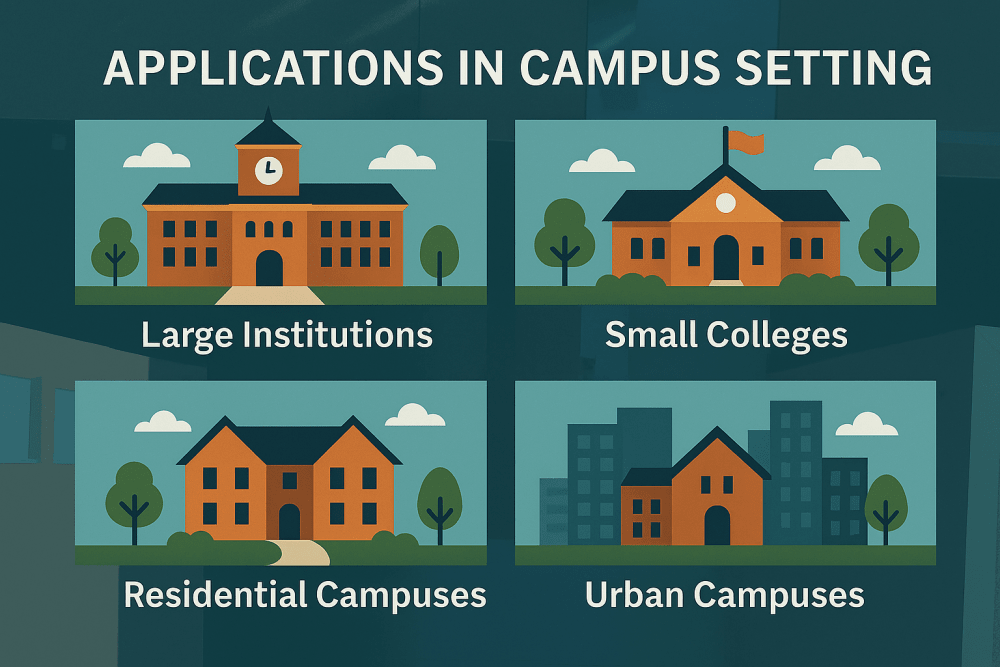
The practical implementation of campus safety incident tools varies depending on the size and needs of the institution. Large universities with sprawling campuses may rely heavily on data analytics to monitor high-traffic areas, while smaller colleges might prioritize real-time alerts and anonymous tipping to address community-specific concerns.
- Large Institutions: Use comprehensive dashboards to track incidents across multiple campus locations, integrating with surveillance and access control systems.
- Small Colleges: Focus on user-friendly reporting interfaces and rapid alert systems to maintain safety with limited resources.
- Residential Campuses: Emphasize fire safety reporting and integration with housing management systems to address on-campus living concerns.
- Urban Campuses: Leverage analytics to identify crime hotspots in surrounding areas, collaborating with local law enforcement for coordinated responses.
Challenges in Implementation
Implementing campus safety incident tools is not without challenges. Institutions must address technical, operational, and cultural barriers to ensure successful adoption.
Technical Considerations
Deploying these systems requires robust IT infrastructure, including secure servers and reliable network connectivity. Institutions must also ensure that the tools are compatible with existing systems, such as surveillance or emergency communication platforms. Regular updates and maintenance are necessary to address security vulnerabilities and ensure compliance with evolving regulations.
Training and Adoption
Effective use of these tools requires training for campus safety officers, administrators, and end-users. Without adequate training, staff may struggle to navigate the system, and students may underutilize reporting features. Institutions must invest in ongoing education to maximize the tools’ effectiveness.
Cultural Barriers
Encouraging a culture of reporting can be challenging, particularly for sensitive issues like harassment or discrimination. Anonymous tipping features help mitigate this, but institutions must also foster trust to ensure community members feel safe using the system.
Future Directions for Campus Safety Tools
As technology evolves, campus safety incident tools are likely to incorporate advanced features such as artificial intelligence for predictive analytics or machine learning to identify emerging threats. Integration with wearable devices or IoT-enabled sensors could further enhance real-time monitoring capabilities. Additionally, as regulatory requirements evolve, these tools will need to adapt to ensure continued compliance and relevance.
Conclusion
Campus safety incident tools are essential systems for educational institutions, providing a structured approach to managing safety-related events. By integrating incident reporting, real-time alerts, data analytics, and compliance features, these tools enhance campus security, ensure regulatory adherence, and foster transparency. Their ability to centralize data and integrate with existing infrastructure, such as surveillance and communication systems, makes them indispensable for proactive risk management. Despite challenges like technical requirements and cultural barriers, these tools empower campuses to respond swiftly to incidents and identify trends for prevention. As technology advances, their capabilities will likely expand, further strengthening campus safety frameworks.
FAQs
What is a campus safety incident tool?
A campus safety incident tool is a software platform or application used by educational institutions to report, track, and manage safety-related incidents, ensuring compliance with regulations like the Jeanne Clery Act.
How do these tools support compliance?
They automate the collection and organization of crime and fire data, generating reports that align with federal mandates, such as those required by the Jeanne Clery Act.
Who can use campus safety incident tools?
Students, faculty, staff, and campus safety officers can use these tools to report incidents, manage cases, or receive real-time alerts about safety concerns.
What types of incidents can be reported?
These tools handle a range of incidents, including crimes (e.g., theft, vandalism), medical emergencies, fires, and behavioral issues like harassment or discrimination.
How do real-time alerts work?
Real-time alerts are sent via text, email, or mobile app notifications to inform the campus community about emergencies, such as security threats or severe weather.
Can these tools integrate with other systems?
Yes, they often integrate with surveillance cameras, access control systems, and mass notification platforms to create a cohesive safety ecosystem.
How do anonymous tipping features function?
Anonymous tipping allows users to report concerns without revealing their identities, encouraging openness and reducing the risk of retaliation.